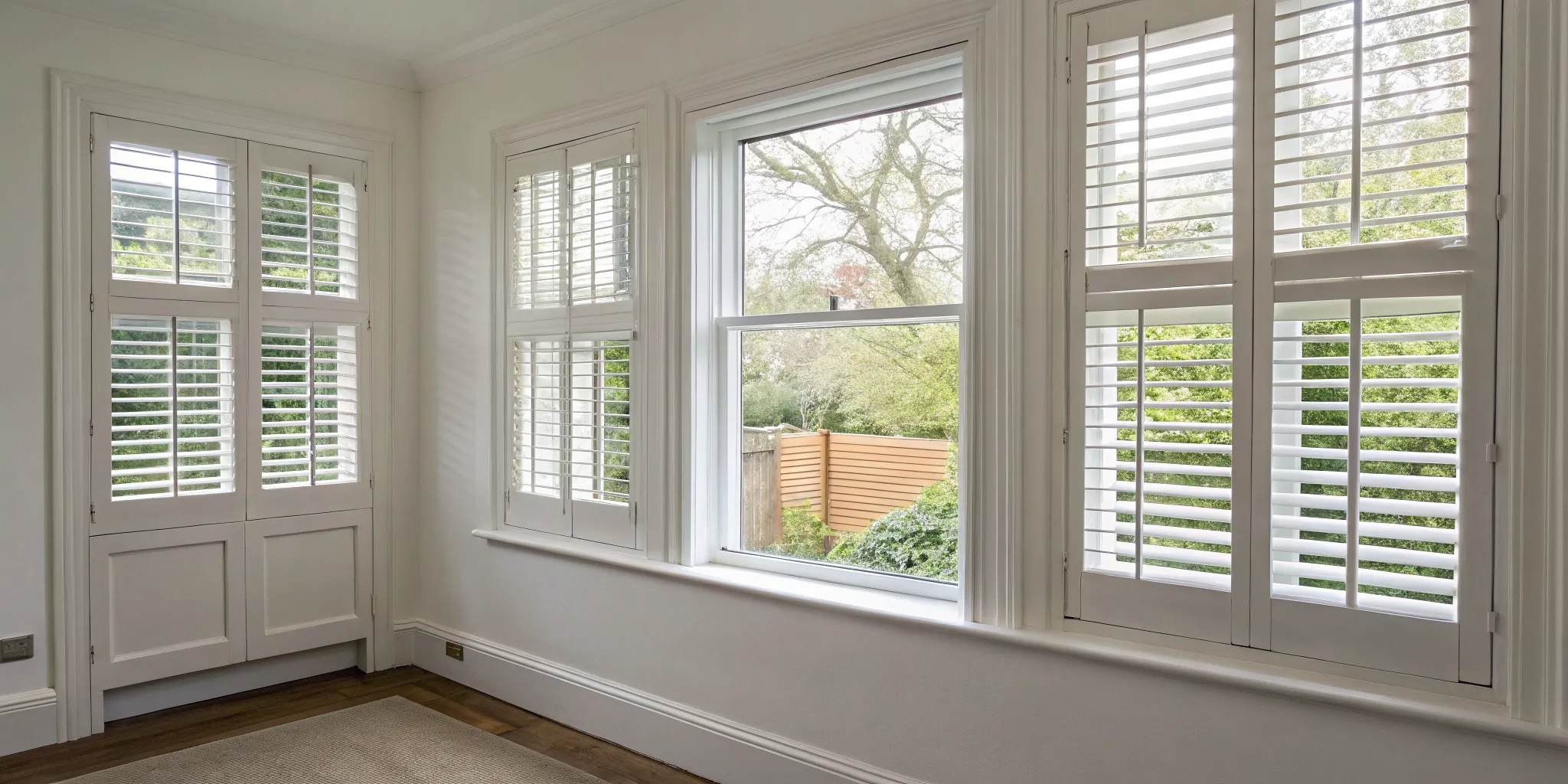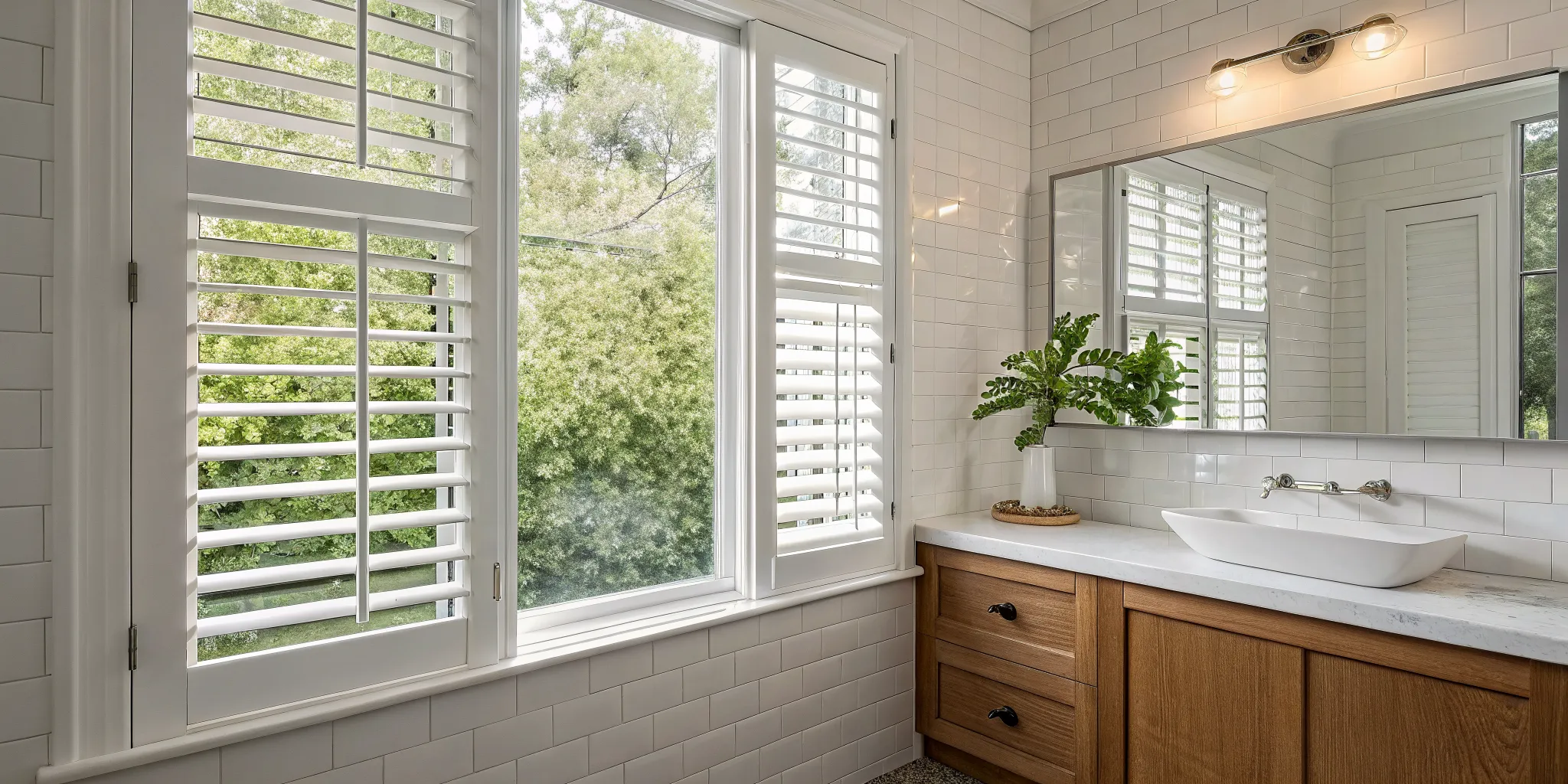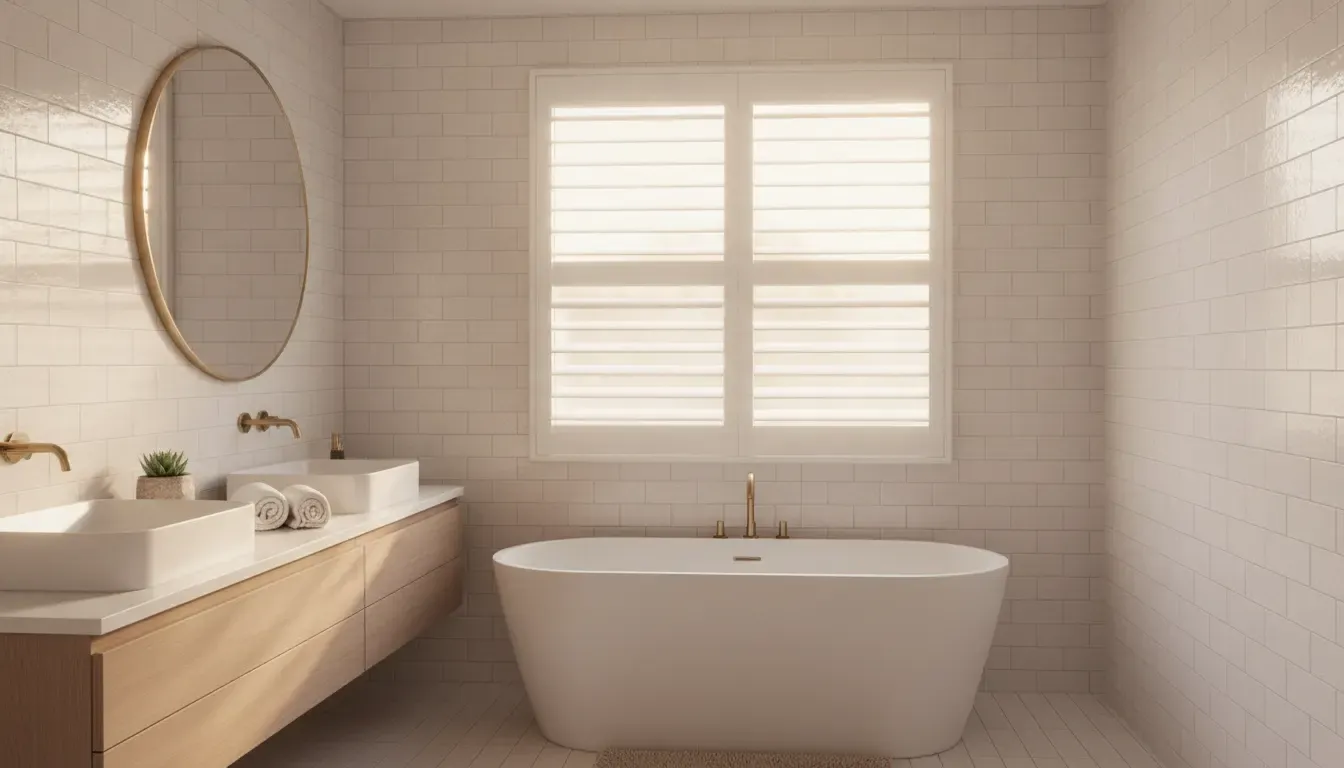
Bathroom shutters in Corona need to do more than look polished. They should provide privacy, control bright California daylight, and stand up to normal bathroom humidity. For Corona homeowners, the best choice starts with the window's exposure and ventilation. Then consider the material, louver configuration, and custom fit.
Quick answer: Moisture-tolerant synthetic or composite shutters are usually the safest starting point for a Corona bathroom. Choose a material designed for humid rooms. Keep the treatment away from constant direct spray. Use a working exhaust fan. Have the opening measured professionally so panels, frames, and clearances fit the space.
Call Vineyard Blind & Shutter at (951) 757-4188 for a free bathroom shutter consultation in Corona.
A bathroom window has a different job from a living-room window. You may need privacy at night, daylight during the morning, and enough airflow and access to keep the sill dry. A shutter can solve those competing needs, but the material and installation details matter more than the label alone.
Why do bathroom shutters in Corona need a moisture-first plan?
Bathroom shutters should be selected around the room's real moisture conditions, not simply its appearance. A well-ventilated half bath may have limited humidity, while a primary bathroom with a shower, tub, or window close to a wet zone needs more careful material and clearance decisions. The same shutter style can perform very differently depending on where it sits.
Corona's warm, sunny climate also makes light control important. A bathroom can become uncomfortably bright and warm when a window faces strong afternoon sun. Adjustable louvers let you soften glare while preserving useful daylight. When closed, they create a more finished privacy barrier than a temporary curtain or exposed glass.
Start by checking the window and wall before choosing a treatment. Look for soft drywall, peeling paint, stained trim, loose caulk, a damp sill, or water that appears around the frame. Those conditions can signal a leak, failed seal, or ventilation problem. A moisture-resistant shutter is not a substitute for repairing the opening.
Which shutter materials work best in a bathroom?
The most practical bathroom shutter materials resist the changes that happen when a room moves from steamy to dry. Synthetic and composite options are generally easier to maintain in this setting than untreated natural wood. The right selection still depends on direct water exposure, ventilation, window location, and the finish you want.
- Polycore and other synthetic shutters: A non-hollow synthetic construction can provide useful resistance to moisture-related warping, splitting, and cracking. These are strong candidates for bathrooms with normal humidity and occasional splashes.
- Composite shutters: Composite construction can combine a stable core with a durable exterior finish. Ask how the specific product is constructed and whether it is recommended for high-moisture rooms.
- Vinyl or other water-resistant options: These can make sense where cleaning and routine moisture exposure are priorities. The full product specification and installation conditions should guide the decision.
- Natural wood shutters: Real wood offers distinctive grain and warmth, but it generally requires more caution in a steamy bathroom. Humidity and repeated wetting can affect wood, coatings, joints, or nearby trim over time.
Material names are not enough to make a safe decision. Ask whether the exact shutter is intended for bathroom use, how it should be cleaned, and what the warranty says about moisture exposure. A knowledgeable consultant can compare the product construction with the window's distance from the shower or tub.
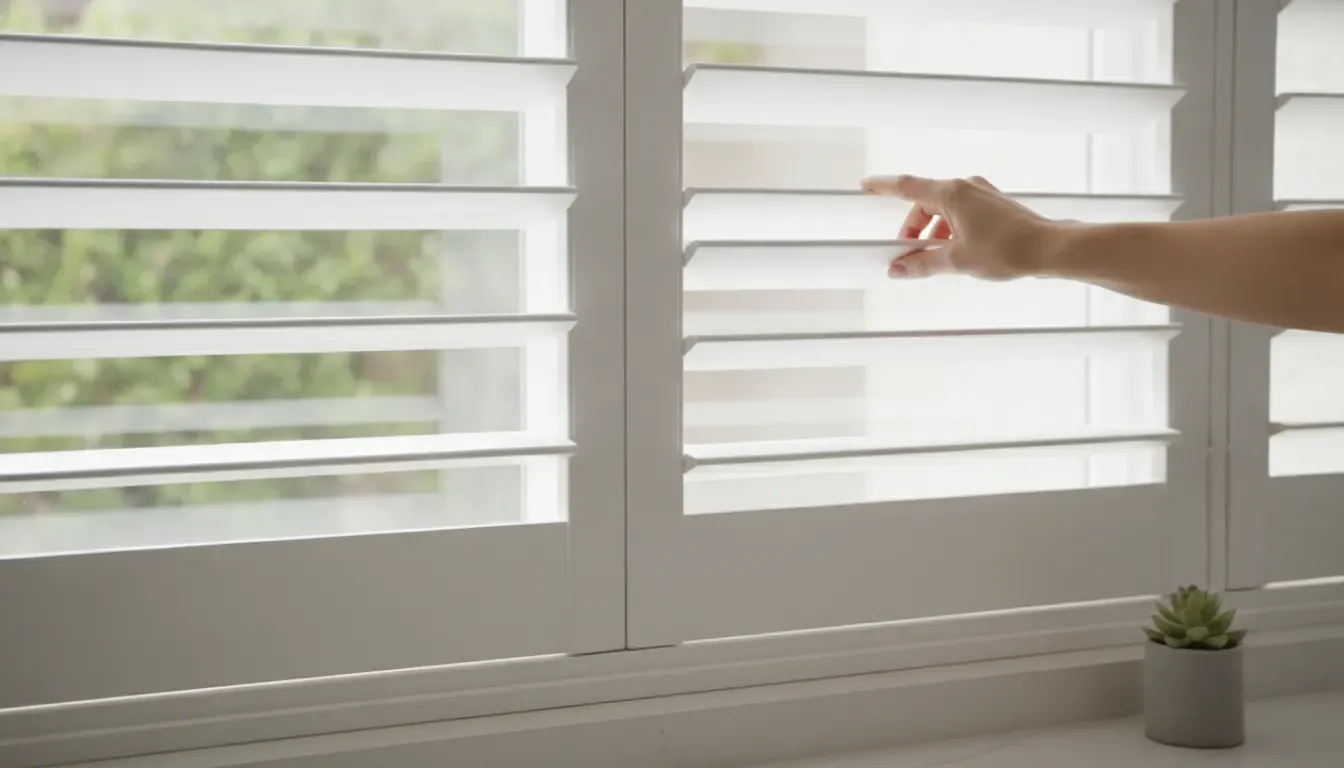
Bathroom shutter material comparison
| Material direction | Best fit | What to confirm |
|---|---|---|
| Synthetic or Polycore | Regular humidity, changing temperatures, and occasional splashes | Construction, finish, cleaning instructions, and distance from direct spray |
| Composite | Homeowners wanting a finished shutter look with added stability | Core and coating, moisture guidance, and product warranty |
| Water-resistant vinyl option | Simple care and routine moisture exposure | Exact product rating, color stability, and fit around the opening |
| Natural wood | Well-ventilated spaces where genuine grain is the priority | Humidity, splash exposure, finish care, and long-term maintenance |
This comparison is a starting point, not a promise that one material will suit every bathroom. Vineyard Blind & Shutter can review the actual opening and help you choose a product that matches the room's moisture, privacy, and design requirements. For a broader look at moisture-tolerant product construction, see the guide to Polycore shutters for bathrooms.
How can shutters improve bathroom privacy and light control?
Plantation-style shutters work well for bathrooms because the louvers can be adjusted in small increments. You can angle them to block sightlines from a neighboring home or street while still allowing daylight through the upper part of the window. Closing the louvers more fully at night creates a stronger privacy barrier without adding a separate shade or curtain.
The best louver position depends on the window height and the direction of nearby views. If the window is at eye level, a full-height shutter with adjustable louvers can provide consistent coverage. If privacy is mainly needed below eye level, a cafe-style configuration may leave the upper glass open for light. Tier-on-tier panels allow the top and bottom sections to move independently, which can be useful in a larger bathroom.
Consider how the window opens, too. A deep sill, crank handle, obscure glass, or narrow recess can affect the frame and panel design. The goal is not just to cover the glass. It is to keep the treatment usable, easy to wipe, and compatible with the window hardware.
- Full-height shutters: A balanced choice for full privacy, consistent light control, and a clean finished look.
- Cafe-style shutters: Useful when you want lower-window privacy while keeping daylight through the upper section.
- Tier-on-tier shutters: Helpful when the top and bottom sections need separate privacy and light settings.
- Large or specialty louvers: Can create a more open appearance, but the exact size should suit the window and sightlines.
How does bathroom ventilation protect the shutter and the room?
A moisture-tolerant shutter still needs a bathroom that can dry between uses. Ventilation moves humid air outside and helps reduce the conditions that support mold and mildew. The U.S. Environmental Protection Agency explains that bathroom ventilation is important for removing unwanted moisture and recommends exhausting air directly outdoors rather than into an attic or another enclosed space. Read the EPA guide to mold, moisture, and your home for broader moisture-control guidance.
Use the exhaust fan during a shower and continue running it afterward according to the fan and home guidance. Keep the sill and nearby trim dry when practical. If weather, security, and privacy allow, opening the window briefly can also help. A shutter should support these habits rather than prevent access to the window.
Be especially careful with a window inside or immediately beside a shower. Constant direct spray is a more demanding condition than ordinary bathroom humidity. The shutter may need additional clearance, a different material, or a different window-treatment solution. If water regularly hits the treatment, discuss that exposure before ordering. For a shower-window-specific discussion, review waterproof plantation shutters for shower windows rather than assuming every bathroom shutter has the same use case.
What should Corona homeowners check before ordering?
A short pre-order review prevents most avoidable problems. Walk through the room at different times of day and note where privacy, glare, and moisture are greatest. Then share those observations during the consultation.
- Window location: Note whether the opening is near a shower, tub, sink, or a dry vanity area.
- Water exposure: Separate ordinary steam from direct spray, splashes, or a wet sill that never fully dries.
- Privacy direction: Identify whether views come from a street, a neighboring house, a second story, or an interior courtyard.
- Sun direction: Watch the window in the morning and afternoon to see when glare and heat are strongest.
- Ventilation: Confirm that the exhaust fan works and vents outside, and note whether the room remains damp after use.
- Window operation: Check handles, cranks, screens, inward-opening windows, and any obstruction around the frame.
- Cleaning needs: Decide whether you want a surface that can be dusted and wiped easily with ordinary care.
- Household safety: If children or pets use the bathroom, ask about cordless operation and safe control options.
These details help a consultant recommend more than a color. They shape the material, panel split, louver position, frame, mounting approach, and final clearance. A mobile showroom consultation also lets you evaluate samples in your own bathroom lighting instead of guessing from a small online image.
Why does professional measuring matter for bathroom shutters?
Bathroom windows often have tile, trim, deep sills, narrow recesses, and hardware that make a small measuring error noticeable. A custom shutter should sit squarely, open without striking nearby surfaces, and leave the window and sill practical to use. Professional measuring also identifies conditions that may be hidden by a quick width-and-height estimate.
Vineyard Blind & Shutter brings product samples and measuring tools to the home through its mobile showroom model. That makes it possible to review color and louver choices in the bathroom's actual light, discuss moisture exposure at the window, and plan the installation around existing trim. The company provides consultation, measuring, design help, and professional installation as part of its service approach.
Good fitting is especially important when the bathroom has a specialty shape, an arched opening, a shallow recess, or a window that must remain operable. If you are comparing a do-it-yourself project with professional fitting, focus on the opening's complexity and the cost of correcting a treatment that does not operate properly. A related professional versus DIY shutter installation guide can help you think through those tradeoffs.
How should you clean and maintain bathroom shutters?
Routine care is simple when moisture is controlled. Dust the louvers and frame with a soft, dry cloth or use the cleaning method recommended for the specific product. Wipe ordinary splashes promptly, keep standing water off the sill, and avoid saturating the shutter or forcing water into hinges and joints.
Do not use abrasive cleaners unless the manufacturer's instructions specifically allow them. Strong chemicals, rough sponges, and excessive water can damage a finish even when the shutter material itself is moisture tolerant. Ask for product-specific care guidance at the consultation and keep it with the installation information.
Inspect the area occasionally for loose caulk, swelling nearby trim, staining, or recurring condensation. If you see a new moisture problem, investigate the room and window before treating it as a shutter issue. A durable window treatment performs best when the surrounding opening is also sound.
Are bathroom shutters in Corona worth considering?
Bathroom shutters are worth considering when you want a permanent-looking treatment that combines privacy, daylight control, and a made-to-fit appearance. The strongest result comes from matching the material to the room, keeping direct water exposure in check, maintaining ventilation, and measuring the opening accurately.
For Corona homeowners, the decision does not need to be made from a catalog alone. A local consultation can account for the bathroom's window position, neighboring sightlines, tile and trim, sunlight, and daily routines. Vineyard Blind & Shutter serves homeowners throughout Riverside County, San Diego County, and Orange County with custom blinds, shutters, shades, measuring, and installation.
Frequently Asked Questions
What are the best shutters for a bathroom in Corona?
Moisture-tolerant synthetic or composite shutters are usually the best starting point for a Corona bathroom. The final choice depends on ventilation, direct spray, window location, privacy needs, and the exact product construction. Professional measuring helps confirm the material and configuration suit the opening.
Can plantation shutters handle bathroom humidity?
Some plantation shutters are designed for normal bathroom humidity, especially synthetic or composite options. They still need a working exhaust fan, a dry sill, and protection from constant direct spray. Humidity resistance reduces material risk but does not repair leaks or replace ventilation.
Are wood shutters a good choice near a shower?
Natural wood can be attractive, but it requires more caution in a steamy or splash-prone bathroom. Ask about the exact finish, cleaning requirements, ventilation, and warranty before choosing wood. A moisture-tolerant synthetic or composite option may be more practical near a shower.
How do bathroom shutters provide privacy and natural light?
Adjustable louvers can block direct sightlines while allowing softened daylight through the window. Full-height, cafe-style, and tier-on-tier configurations provide different ways to balance privacy and light. The best layout depends on the window height, neighboring views, and how the bathroom is used.
Should I have a bathroom window measured professionally?
Yes. Tile, trim, recess depth, handles, and window operation can affect the correct frame and panel configuration. A professional measurement can reduce fit problems and help plan clearances, especially around a tub, shower, or specialty-shaped opening.