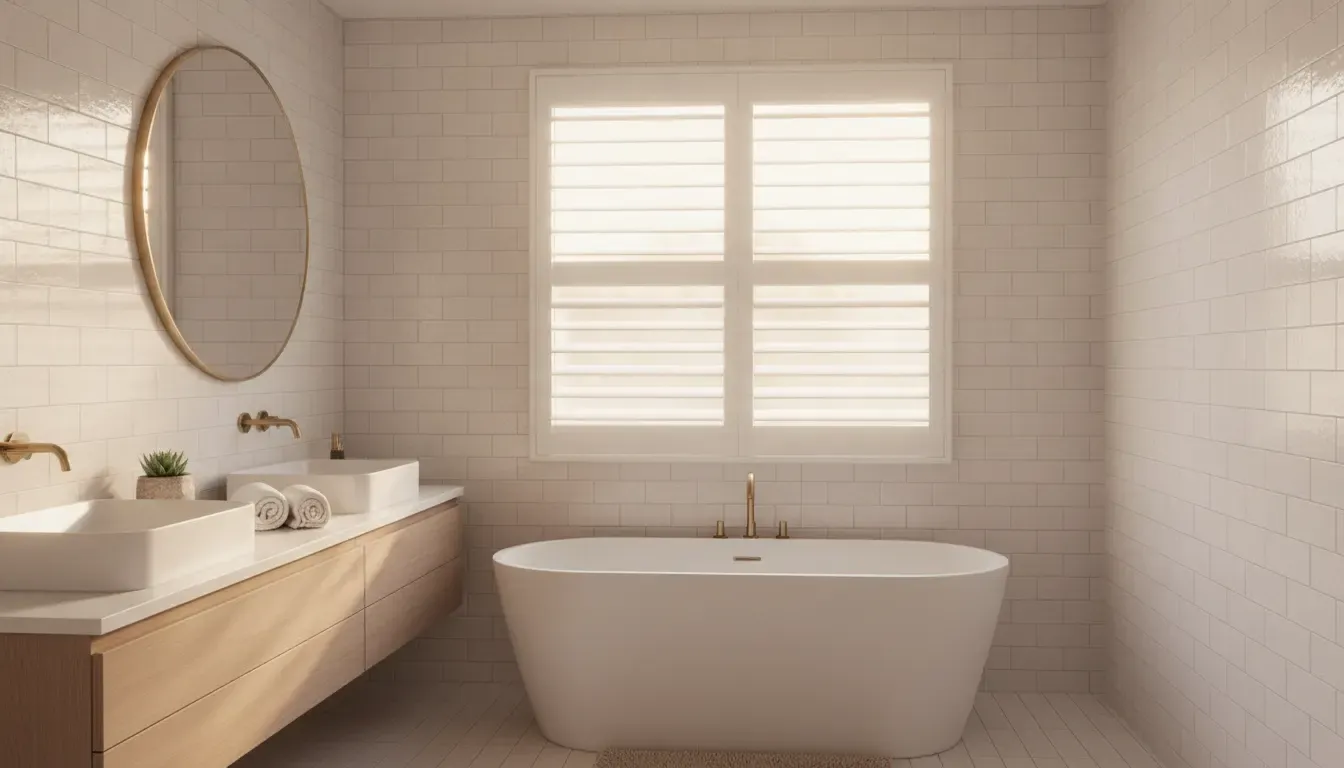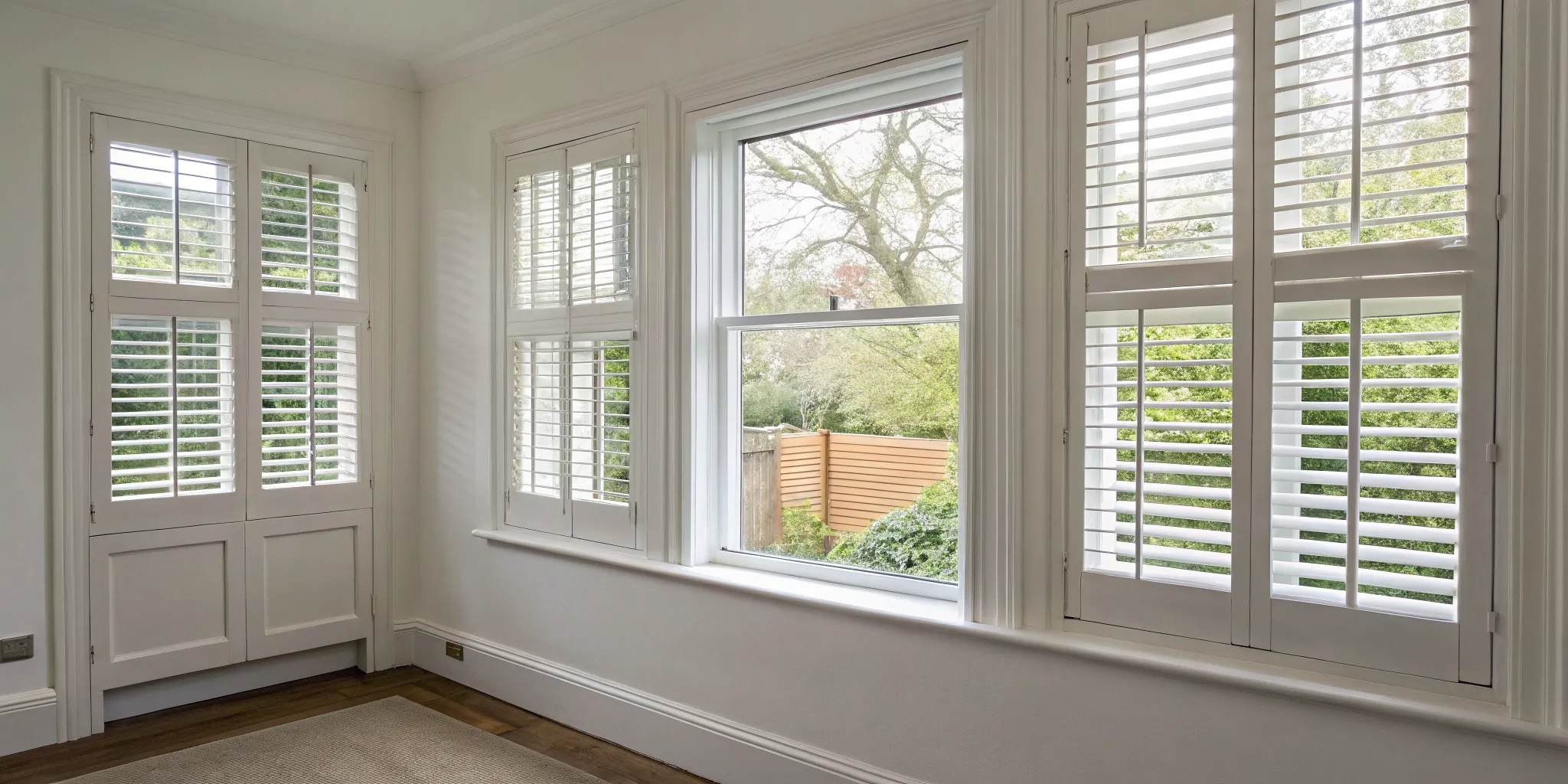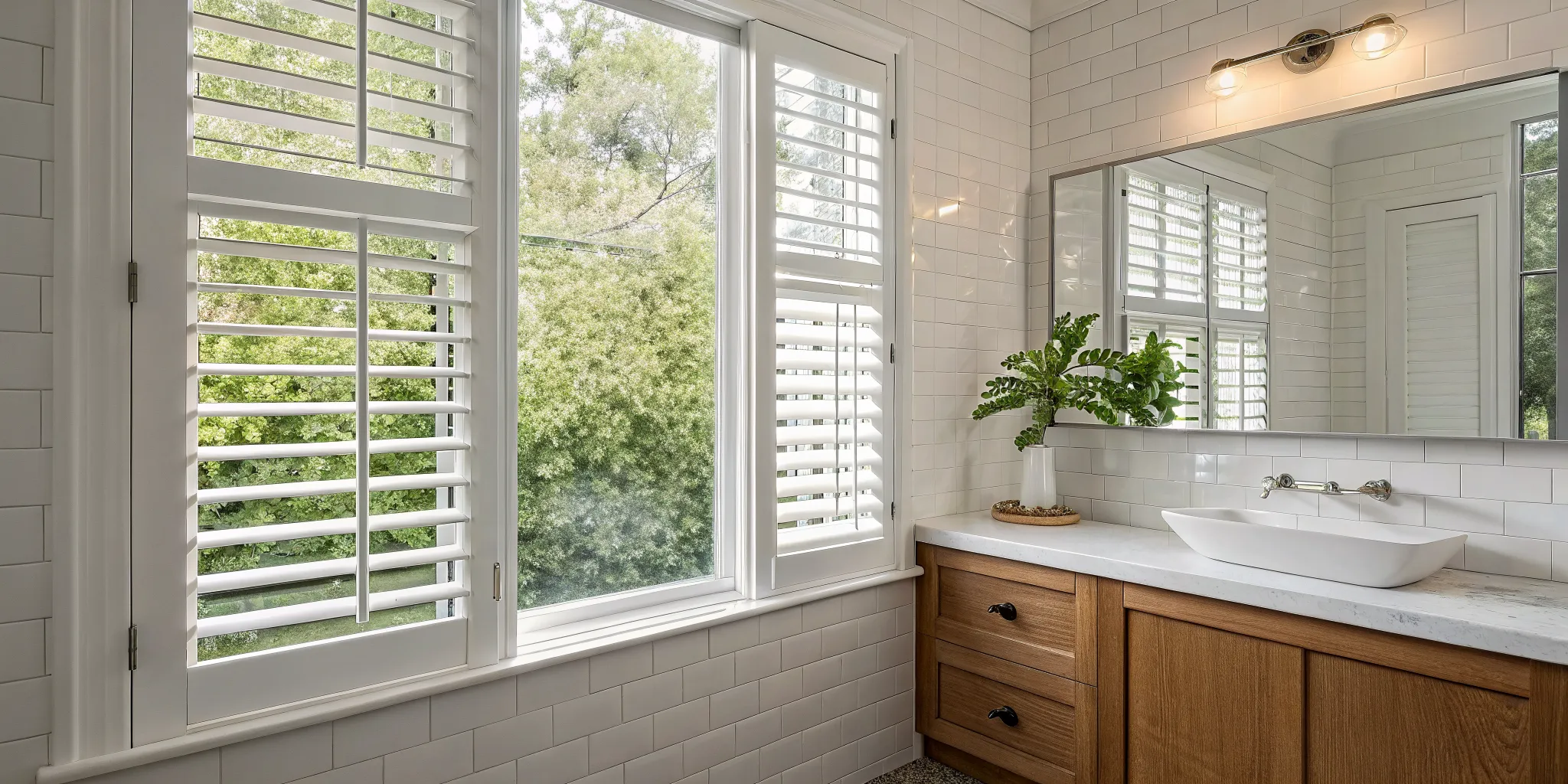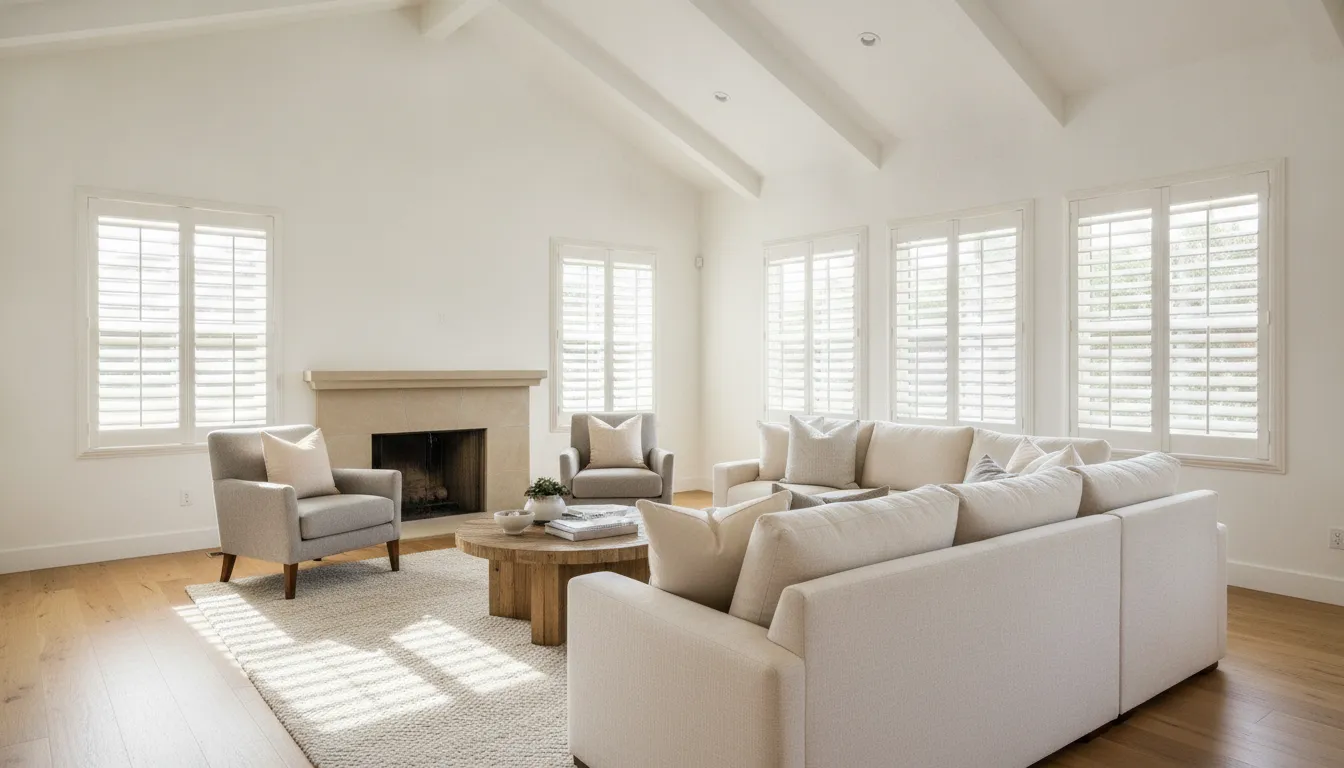
Q: What should Lake Elsinore homeowners compare before buying plantation shutters? A: Compare the shutter material, louver size, frame and mount, light and privacy controls, installation plan, and total quote. A professional in-home review helps match each choice to the window instead of relying on a small sample or generic measurement.
Call Vineyard Blind & Shutter at (951) 757-4188 for a free consultation today.
Start with how each room needs to work
Plantation shutters are a permanent-looking part of a room, so the best choice starts with daily use rather than a product label. A bedroom may need privacy and flexible morning light. A living room may need a clean architectural finish and a clear view. A bathroom or kitchen may need a material that is easier to maintain around moisture.
Walk through the home and note what each window needs to do. Consider the direction of the sunlight, the time of day glare is worst, whether furniture blocks the sill, and how often someone will open the panels. Also note windows with cranks, handles, deep trim, unusual shapes, or limited recess depth. Those details affect the design and the mounting plan.
Lake Elsinore homes can have very different window proportions, from compact rooms to large openings that face strong afternoon light. Treating every window the same may create an attractive result that is inconvenient to operate. A room-by-room plan gives you a better starting point for comparing materials, panels, and louver sizes.
Which plantation shutter material fits your home?
Wood plantation shutters are a strong fit when natural grain, stain color, a lighter panel, and a furniture-like finish matter most. Faux wood and composite shutters are often practical when easy cleaning, a painted finish, and resistance to everyday wear are higher priorities. Polycore shutters can be worth comparing in areas where durability and moisture resistance are especially important.
There is no single best material for every room. Real wood can bring warmth to a formal living room or bedroom. A durable faux wood or composite option may make more sense in a high-use space. Your window size matters as well, because panel weight and span can influence the construction and hardware a professional recommends.
| Material direction | Good fit when you value | Questions to ask |
|---|---|---|
| Natural wood | Wood grain, stain options, lighter panels, and a crafted finish | Which wood, finish, panel width, and support plan suit the window? |
| Faux wood or composite | A durable painted look, straightforward upkeep, and practical performance | How will the product handle the room's moisture, sunlight, and panel span? |
| Polycore | Durability, scratch resistance, and a choice for moisture-prone areas | What size limits, frame details, and color options apply to this opening? |
For a deeper material comparison, read Vineyard Blind & Shutter's comparison of composite and wood plantation shutters. The goal is not to choose the material with the longest feature list. It is to choose a construction that fits the window, the room, and the way your household will use it.
What louver size should you choose?
Louver size changes the amount of open view, the visual rhythm of the window, and the way the shutter feels in the room. Vineyard Blind & Shutter commonly discusses 2.5-inch, 3.5-inch, and 4.5-inch louvers. Smaller louvers can support a traditional proportion or a smaller window. Larger louvers often create a cleaner look and a more open view when tilted.
- 2.5-inch louvers: Consider them for smaller windows, classic interiors, or a more traditional appearance.
- 3.5-inch louvers: A versatile middle choice that balances light, privacy, and view across many rooms.
- 4.5-inch louvers: Consider them for larger windows or a more open, contemporary appearance, provided the proportions work.
Do not choose by size alone. A large louver on a small opening can look out of scale, while a small louver on a broad wall of windows can create a busy pattern. The window width, panel configuration, trim, and furniture placement all matter. Compare the options in the room, not only in a catalog.
For measurements, tradeoffs, and visual examples, see the plantation shutter louver size guide. That article covers louver selection in more depth, while this buying guide keeps the decision in context with the rest of the order.
Should your shutters use an inside or outside mount?
Inside mounts sit within the window opening and can create a tailored, built-in appearance when the recess has enough depth and the opening is suitable. Outside mounts sit over the opening and may be a better solution when depth is limited, the window is out of square, or the design needs to cover trim and make the opening feel larger.
The frame is part of this decision. A minimal frame may complement simple trim, while a more substantial frame can help finish an opening that needs extra coverage. The frame also needs to clear handles, cranks, alarm sensors, locks, and nearby furniture. A measurement that captures only width and height is not enough for every installation.
Ask the designer to show how the frame will meet the existing casing and where the panels will open. If the window is arched, angled, circular, or otherwise specialty-shaped, it deserves a separate design review. Vineyard Blind & Shutter's Lake Elsinore guide to arched window shutters explains why templates, panel layout, and specialty measurements need extra attention.
How can plantation shutters improve privacy and light control?
Plantation shutters give you control through the panel position and louver tilt. Closing the louvers reduces the direct view into a room. Tilting them changes the angle of incoming daylight while allowing some air of openness. The right setup depends on whether you want privacy from the street, glare control in the afternoon, or a clear view through the upper portion of the window.
Think about privacy at different times. A front room may need coverage during the evening but natural light during the day. A bedroom may benefit from louvers that close tightly while still allowing the panels to open for ventilation or cleaning. A room with a television may need the louvers positioned to reduce reflections rather than simply closed all day.
Panel height, divider rails, and the way panels fold or swing can change how easy the treatment is to use. Ask whether the proposed configuration lets you reach the window, move furniture, and clean the glass. A beautiful treatment is not a good fit if the panels cannot open where you need them.
How should you compare maintenance and durability?
Start by matching maintenance expectations to the room. Most plantation shutters can be dusted regularly with a soft, dry cloth or duster. Clean spills promptly and follow the product maker's care directions. Avoid assuming that a wood finish and a composite finish should be cleaned in exactly the same way, especially near sinks, showers, or other sources of moisture.
Durability also includes daily operation. Look at the panel alignment, hinge feel, tilt control, frame fit, and finish quality. Ask how the material responds to the room's sunlight and moisture exposure. Polycore and other composite options may be practical in rooms where splashes or humidity are common, while natural wood may be the preferred design choice where grain and stain are central to the look.
Maintenance questions should be part of the quote conversation, not an afterthought. Ask which care products are recommended, what the installation team checks before leaving, and whom to contact if a panel needs adjustment later.
What should be included in a plantation shutter quote?
A useful quote should make the full scope easy to compare. Plantation shutter pricing is custom and depends on the number and size of windows, material, finish, louver size, frame, panel count, mount, specialty shapes, and installation complexity. A single price without those details is difficult to evaluate fairly.
Ask for the following details in writing:
- The material and product line specified for each room.
- The louver size, frame style, finish, and color.
- Inside mount, outside mount, or a different solution for each opening.
- Panel count, divider rails, tilt control, and operating direction.
- Any cutouts or clearance work for handles, cranks, sensors, or trim.
- What measuring, design, delivery, installation, and follow-up services are included.
- The expected ordering and installation timeline, including what could change it.
- Warranty information and the process for post-installation adjustments.
Vineyard Blind & Shutter uses a consultation-based quote process rather than publishing a one-size-fits-all shutter price. Its company information describes free in-home measuring, design consultation, estimates, and professional installation with purchases, plus a price match guarantee on comparable products. Confirm the exact scope and current terms in the written proposal.
How does a mobile showroom make ordering easier?
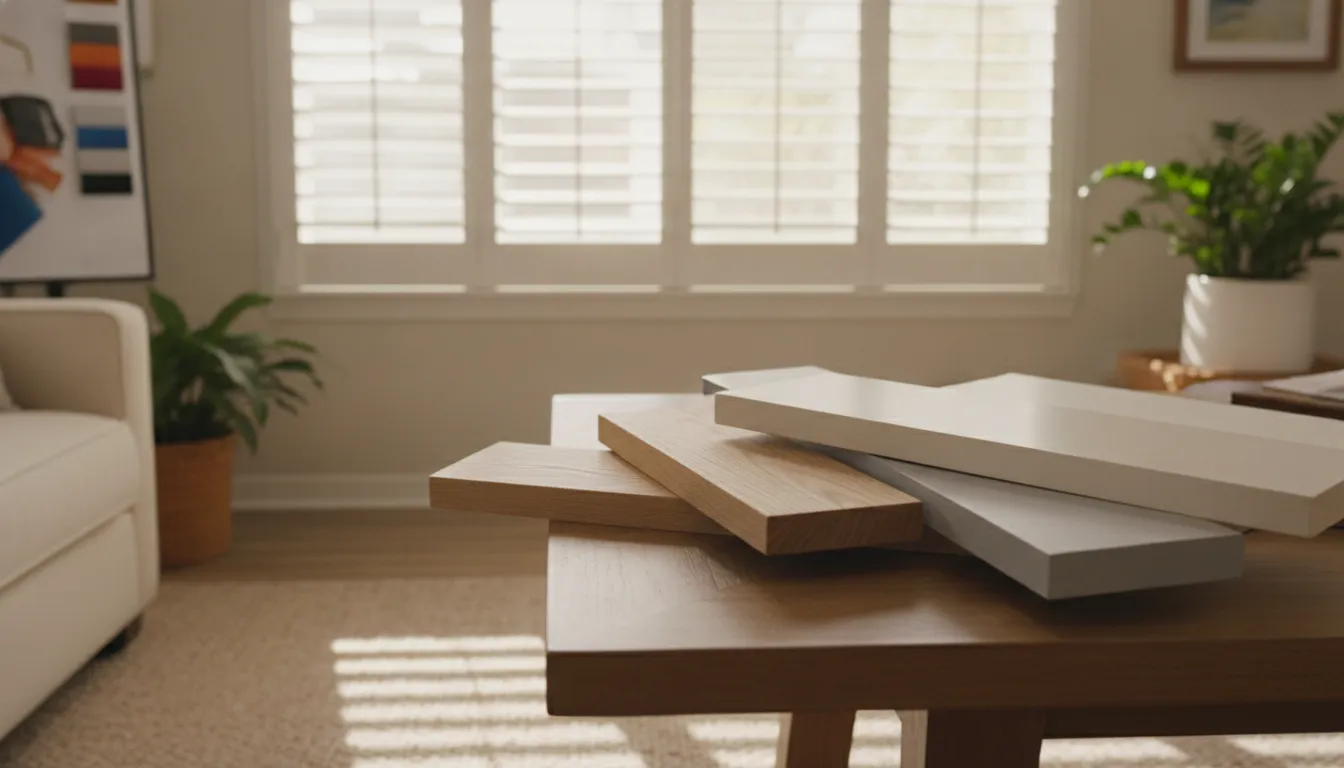
A mobile showroom brings product samples and design support to the home instead of asking you to judge a shutter in a distant retail setting. That matters because wall color, flooring, trim, sunlight, and furniture can change how a finish looks. It also lets the professional evaluate the actual windows, clearances, and operating conditions before the order is finalized.
- Discuss the rooms and priorities. Share the windows that need privacy, glare control, a design upgrade, or easier upkeep.
- Review samples in place. Compare materials, paint or stain direction, louver proportions, and frame styles in the home's natural light.
- Measure and inspect the openings. The professional checks depth, square, trim, handles, panel clearances, and specialty shapes.
- Approve the design and quote. Confirm the product, materials, finish, mount, panel operation, included services, and lead time.
- Prepare for installation. Clear access to the windows and confirm any questions before the installation visit.
Stock items may have a shorter delivery window, while custom shutters require more production time. Ask for the current estimate for your specific order rather than relying on a general industry promise. Vineyard's service model is designed to keep the consultation, measuring, design, and installation connected from the first visit through the final fit check.
What should Lake Elsinore homeowners ask before ordering?
Use these questions to turn a sales conversation into a clear design decision:
- Which material is best for each room, and what tradeoff am I making?
- Which louver size fits this window's proportions and my privacy goals?
- Why is an inside or outside mount recommended for this opening?
- How will the frame meet my existing trim?
- Will handles, cranks, sensors, furniture, or curtains affect panel operation?
- How many panels and divider rails will the design use?
- What maintenance does this finish require?
- What exactly is included in measuring, design, delivery, installation, and follow-up?
- What is the current lead time for this custom configuration?
- What happens if a panel needs adjustment after installation?
These questions are especially useful when comparing quotes from different providers. They keep the focus on fit, function, included service, and long-term use instead of a headline number that may not describe the same product or scope.
Why choose Vineyard Blind & Shutter for a Lake Elsinore project?
Vineyard Blind & Shutter is a veteran-owned, family-operated window treatment company headquartered in Wildomar and serving Riverside County, San Diego County, and Orange County. Its mobile showroom model brings samples and design guidance to the home. The company also emphasizes competitive pricing, a price match guarantee, free measuring and design support, and professional installation.
That combination is useful when a shutter order has several moving parts. You can evaluate the finish in your own lighting, discuss the practical details at the window, and receive a plan for the full project rather than selecting a generic size online. Vineyard's founder, Matthew Gandy, is a United States Marine Corps veteran, and the company has served Southern California for more than 20 years.
For a starting point, review the plantation shutter services page and then use the contact page to request an in-home conversation. The goal is a shutter design that fits the opening, suits the room, and remains practical after installation.
Frequently Asked Questions About Buying Plantation Shutters
What is the best material for plantation shutters?
The best material depends on the room, window size, finish preference, moisture exposure, and desired maintenance. Natural wood emphasizes grain and a crafted look. Faux wood, composite, and Polycore options may be practical when durability, easy upkeep, or moisture resistance is more important.
Are inside-mount or outside-mount shutters better?
Neither mount is universally better. An inside mount can look tailored when the opening has enough depth and is suitable for the frame. An outside mount may work better when depth is limited, the opening is out of square, or the design needs to cover trim and enlarge the visual opening.
What louver size is most versatile?
Three-and-a-half-inch louvers are often a versatile middle option because they balance view, light, privacy, and visual proportion. A smaller 2.5-inch or larger 4.5-inch louver can be a better fit depending on the window size, room style, and design goals.
How long do custom plantation shutters take to arrive?
Lead time depends on the material, product, finish, window configuration, and current production schedule. Ask for a project-specific estimate before approving the order. Stock items and custom shutters may have different timelines.
Does Vineyard Blind & Shutter measure and install plantation shutters?
Yes. Vineyard Blind & Shutter's service information describes free in-home measuring, design consultation, estimates, and professional installation with purchases. Confirm the current inclusions and timeline in your written proposal.