Your windows are one of the biggest sources of energy loss in your home. Think of them as gateways where your comfortable, conditioned air escapes and the harsh outdoor temperatures sneak in. While most window treatments offer some level of light control, not all are created equal when it comes to insulation. This is why it’s so important to ask, are blackout cellular shades more energy efficient than their counterparts? The data is clear: their signature honeycomb design, which traps air in distinct pockets, provides a superior thermal barrier. This helps maintain a stable indoor temperature, meaning your air conditioner and heater don’t have to work nearly as hard to keep you comfortable throughout our Southern California seasons.
Key Takeaways
- Honeycomb cells create natural insulation: The unique pocketed design of cellular shades traps air at the window, which slows the transfer of heat. This simple feature keeps your home cooler in the summer and warmer in the winter, directly impacting your comfort and energy use.
- A professional fit maximizes efficiency: To get the best performance, your shades need to fit perfectly. A custom installation prevents air from leaking around the edges, ensuring the insulating properties of the shades work as intended to keep your energy bills down.
- Block solar heat to reduce cooling bills: Blackout shades are incredibly effective at stopping unwanted heat from the sun. By reducing how much your rooms heat up, you can rely less on your air conditioner, leading to noticeable savings, especially during warm Southern California months.
What Exactly Are Blackout Cellular Shades?
If you're looking for window treatments that do more than just look good, blackout cellular shades are a fantastic option. Often called honeycomb shades, these are widely considered the most energy-efficient window coverings you can buy. What sets them apart is their unique construction. They feature an extra layer specifically designed to block outside light, which also gives their energy-saving properties a serious upgrade.
For homeowners in Riverside County and across Southern California, controlling indoor temperature is a year-round job. Blackout cellular shades help you do just that by creating a powerful barrier between your home and the outdoor elements, keeping you comfortable while helping to lower your energy bills.
Blackout vs. Light-Filtering: What's the Difference?
When you're shopping for cellular shades, you'll see "light-filtering" and "blackout" options. While both styles offer excellent privacy, they manage light very differently. Light-filtering shades soften and diffuse incoming sunlight, filling your room with a warm, gentle glow. Blackout shades, on the other hand, are made with an additional layer of material that completely blocks light from passing through. This makes them the perfect choice for bedrooms, nurseries, or media rooms where you need total darkness. That extra layer also provides an additional boost in energy efficiency, giving you more insulation than a standard light-filtering shade.
The Secret's in the Honeycomb Design
So, what makes these shades such an energy-saving powerhouse? The magic is in their signature honeycomb design. Cellular shades are constructed with small pockets or "cells" that trap air at the window. According to the U.S. Department of Energy, this trapped air acts as a layer of insulation, slowing the transfer of heat. In the summer, it helps keep the sun’s heat out, and in the cooler months, it prevents your home's warmth from escaping. This clever design is what allows cellular shades to keep your home more comfortable no matter the season, which is a huge plus for anyone living in Orange County or San Diego County.
How Do Blackout Cellular Shades Save You Money?
It’s easy to think of window treatments as just a design choice, but the right ones can be a smart financial decision, too. Blackout cellular shades are a perfect example. They do more than just block light; their unique design actively works to lower your energy bills. By improving your home's insulation and controlling how much heat gets in or out, these
Trapping Air for Better Insulation
The real magic of cellular shades lies in their honeycomb-like structure. Each shade is made up of small, distinct pockets or "cells" that trap air. This trapped air creates a layer of insulation right at your window, which is one of the main places homes lose energy. Think of it like a double-paned window; that air pocket acts as a barrier, slowing down the transfer of heat. During our warm Southern California days, it keeps the sun's heat out, and on cooler nights, it keeps your home's warmth in. This simple but effective design is the foundation of how these shades help you save.
Keeping Your Home Comfortable Year-Round
That insulating layer of air does more than just block heat; it helps maintain a stable temperature inside your home. When your indoor temperature is consistent, your air conditioner and heater don't have to work nearly as hard to keep you comfortable. For homeowners in Riverside County and San Diego County, this means your AC won't be constantly kicking on to fight the afternoon heat. By reducing the workload on your HVAC system, blackout cellular shades not only lower your energy consumption but also help reduce wear and tear on your equipment. The result is a more comfortable home and a smaller carbon footprint, all year long.
Blocking Sunlight to Control Heat
While all cellular shades offer insulation, the blackout versions take it a step further. They are built with an extra light-blocking layer that stops almost all sunlight from entering a room. Since sunlight brings heat with it, this feature is incredibly effective at preventing unwanted solar gain. On a hot summer day, windows can act like magnifying glasses, quickly heating up a room. By blocking the sun's rays, blackout shades keep your home significantly cooler, reducing your reliance on air conditioning. This direct control over solar heat is one of the fastest ways to see a real difference in your summer energy bills.
Are Blackout Shades Really More Energy-Efficient?
When you hear "blackout shades," you probably think of getting a better night's sleep. While they are fantastic for that, their benefits go far beyond just blocking light. We get this question all the time: do they actually make a difference on energy bills? The short answer is a resounding yes. Blackout cellular shades are one of the most effective window treatments for improving your home's energy efficiency, and it all comes down to their unique design. Unlike other window coverings that mainly offer privacy or light control, these shades are engineered to insulate your windows, which are often a major source of energy loss in a home.
For homeowners in Riverside, Orange, and San Diego counties, managing indoor temperature is a year-round task. The intense summer sun can send your AC into overdrive, while surprisingly cool nights can have you reaching for the thermostat. The right window coverings can make a huge difference in both your comfort and your utility costs. By creating a thermal barrier, blackout shades help maintain a consistent indoor temperature, meaning your HVAC system doesn't have to work as hard. This translates directly into lower energy consumption and smaller bills. Let’s look at exactly how these shades work to keep your home comfortable and your energy bills in check.
A Head-to-Head Insulation Comparison
When you compare different window treatments, blackout cellular shades consistently come out on top for insulation. Unlike standard blinds or light-filtering shades, which primarily focus on privacy and light control, blackout cellular shades are engineered for thermal performance. They feature an extra layer within their honeycomb-shaped pockets that not only blocks nearly all incoming light but also significantly improves insulation. This construction makes them one of the most energy-efficient options available, creating a powerful barrier between your home and the outside elements, whether it's a scorching afternoon or a chilly evening.
Preventing Unwanted Heat Gain and Loss
The real magic of cellular shades lies in their honeycomb design. These shades trap a layer of air within their cells, and another layer between the shade and the window. This trapped air acts as a powerful insulator, much like a double-paned window. During hot Southern California summers, this design helps block solar heat from entering your home, keeping it cooler and reducing the strain on your air conditioner. In the cooler months, it does the opposite, preventing indoor heat from escaping through the glass. This helps you maintain a more stable and comfortable temperature year-round without constantly adjusting the thermostat.
Single-Cell vs. Double-Cell: Which Is Better?
When choosing cellular shades, you’ll see options for single-cell and double-cell construction. A single-cell shade has one layer of honeycomb pockets, while a double-cell shade has two layers. Both are excellent insulators, but double-cell shades provide an extra layer of air pockets for maximum energy efficiency. In fact, the right cellular shades can reduce unwanted solar heat gain by up to 60%. For rooms that get intense, direct sunlight or for homeowners looking to maximize their energy savings, double-cell shades are often the best investment. We can help you decide which option is right for your home during a free consultation.
How Much Can You Actually Save on Energy Bills?
It’s one thing to talk about how these shades work, but let’s get to the numbers. The potential savings on your energy bills are significant, and you don’t have to take our word for it. Major research from trusted sources backs up the efficiency of cellular shades, showing just how much of an impact they can have on your monthly budget. When you see the data, it becomes clear that these window treatments are more than just a design choice; they're a smart financial decision for your home.
What the Department of Energy Says
When it comes to home energy performance, the U.S. Department of Energy is a leading authority. Their findings are pretty clear. According to simulations by the Lawrence Berkeley National Laboratory, cellular shades achieve higher energy savings than all other types of shading devices. This means that when compared to standard blinds, curtains, or other treatments, the unique honeycomb design of cellular shades consistently comes out on top for insulation. For homeowners in Orange County and beyond, this official data confirms that choosing blackout cellular shades is one of the most effective ways to improve your home's energy efficiency.
Lowering Your Summer Cooling Costs
Anyone who has lived through a summer in Riverside or San Diego County knows how much work an air conditioner has to do. All that sunshine streaming through your windows can really heat things up, forcing your AC unit to run constantly. The Department of Energy notes that cellular shades can reduce unwanted solar heat gain by up to 60%. This is a huge reduction that keeps your home cooler and more comfortable, allowing you to rely less on your air conditioning. By installing energy-efficient window coverings, you can see a noticeable drop in your summer electricity bills while enjoying a more pleasant indoor environment.
The Long-Term Financial Payoff
While new window treatments are an upfront cost, it’s helpful to think of them as a long-term investment in your home. The savings don't just appear during one season; they add up year after year. Research from the Oak Ridge National Laboratory found that cellular shades can reduce heating energy needs by almost 25%. While our Southern California winters are mild, those heating costs still add up. Combined with the substantial summer cooling savings, the financial benefits become undeniable. Over time, your blackout cellular shades can essentially pay for themselves through reduced energy consumption, making them a wise addition to any home.
Common Myths About Blackout Shade Efficiency
When it comes to energy efficiency, blackout cellular shades get a lot of attention. But with that attention comes a few misunderstandings. Let's clear the air and look at what these powerful window treatments can really do for your home, especially here in Southern California.
Myth: They're Only for Cold Climates
One of the biggest misconceptions is that blackout shades are only useful for bundling up your home against the cold. While they are fantastic at preventing heat from escaping through your windows during a chilly evening, their job doesn't stop there. The same technology that keeps you warm also keeps you cool. By design, these shades block intense sunlight, which is the primary source of unwanted heat in your home during the summer. This makes them a versatile, year-round solution for maintaining a comfortable indoor temperature, no matter what the weather is like outside.
Fact: Enjoy Year-Round Benefits in SoCal
Here in Southern California, we know that temperatures can swing. A hot, sunny day can easily turn into a cool evening, and blackout cellular shades are perfectly suited for this climate. Their honeycomb cells trap a layer of insulating air, which acts as a buffer between your home and the outside world. This helps keep your indoor temperature stable and comfortable all day long. Whether you're in San Diego, Orange, or Riverside County, you'll appreciate how these shades help reduce your reliance on your air conditioner in the summer and your heater on cooler nights, giving you consistent comfort.
Concern: Are They Worth the Cost?
It's smart to think about the budget when upgrading your home, and you might wonder if energy-efficient shades are a worthwhile investment. While there is an upfront cost, it's helpful to see it as a long-term saving strategy. The energy efficiency these shades provide translates directly into lower heating and cooling bills month after month. Over time, these savings can add up significantly, offsetting the initial purchase price. Think of it as an investment in your home's comfort and your wallet. If you're curious about pricing, you can always contact us for a custom quote.
How to Maximize Your Shades' Energy Performance
Choosing blackout cellular shades is a great first step toward a more energy-efficient home. But to get the best results, a few details really matter. From the fit to the fabric, making smart choices ensures your shades deliver the comfort and savings you’re looking for. Here’s how to make sure your new shades are performing at their peak.
Why a Custom Fit Is Key
You can pick the most advanced shade on the market, but if it doesn’t fit your window perfectly, you’ll lose a lot of its energy-saving benefits. Gaps along the sides, top, or bottom of a window covering create drafts, allowing heated or cooled air to escape. This is where a custom fit makes all the difference. Professionally measured shades fit snugly within the window frame, creating a seal that minimizes air leakage. This tight fit is essential for the insulating honeycomb cells to do their job effectively, keeping your home’s temperature stable and your energy bills down.
Look for Quality Materials and Construction
The effectiveness of a cellular shade comes down to its design. High-quality shades are built to trap insulating air within their honeycomb-shaped cells and between the shade and the window. According to simulations by the Lawrence Berkeley National Laboratory, this unique construction leads to higher energy savings than any other type of window covering. When shopping, pay attention to the fabric’s durability and the uniformity of the cells. Well-made shades will operate smoothly and maintain their crisp pleats for years, ensuring they continue to provide excellent insulation without sagging or losing their shape.
Does Shade Color Make a Difference?
Yes, color plays a significant role, especially in sunny Southern California. Lighter colors are better at reflecting the sun’s rays, while darker colors tend to absorb them. For homes in Riverside or Orange County, choosing a lighter exterior-facing color can reduce solar heat gain by up to 60%. The good news is you don’t have to sacrifice your interior design vision. Most cellular shades are designed with a neutral white backing that faces the outside, reflecting heat away from your window. This lets you enjoy any interior color you like while still getting maximum energy efficiency. You can see examples of different styles in our gallery.
Where Do Blackout Cellular Shades Work Best?
Blackout cellular shades are incredibly versatile, but they truly shine in specific areas of your home where light and temperature control are top priorities. Their unique honeycomb structure provides a powerful layer of insulation, making them a practical and stylish solution for several key rooms. Let's look at the spaces where these shades can make the biggest impact on your comfort and your energy bills.
Bedrooms for Undisturbed Sleep
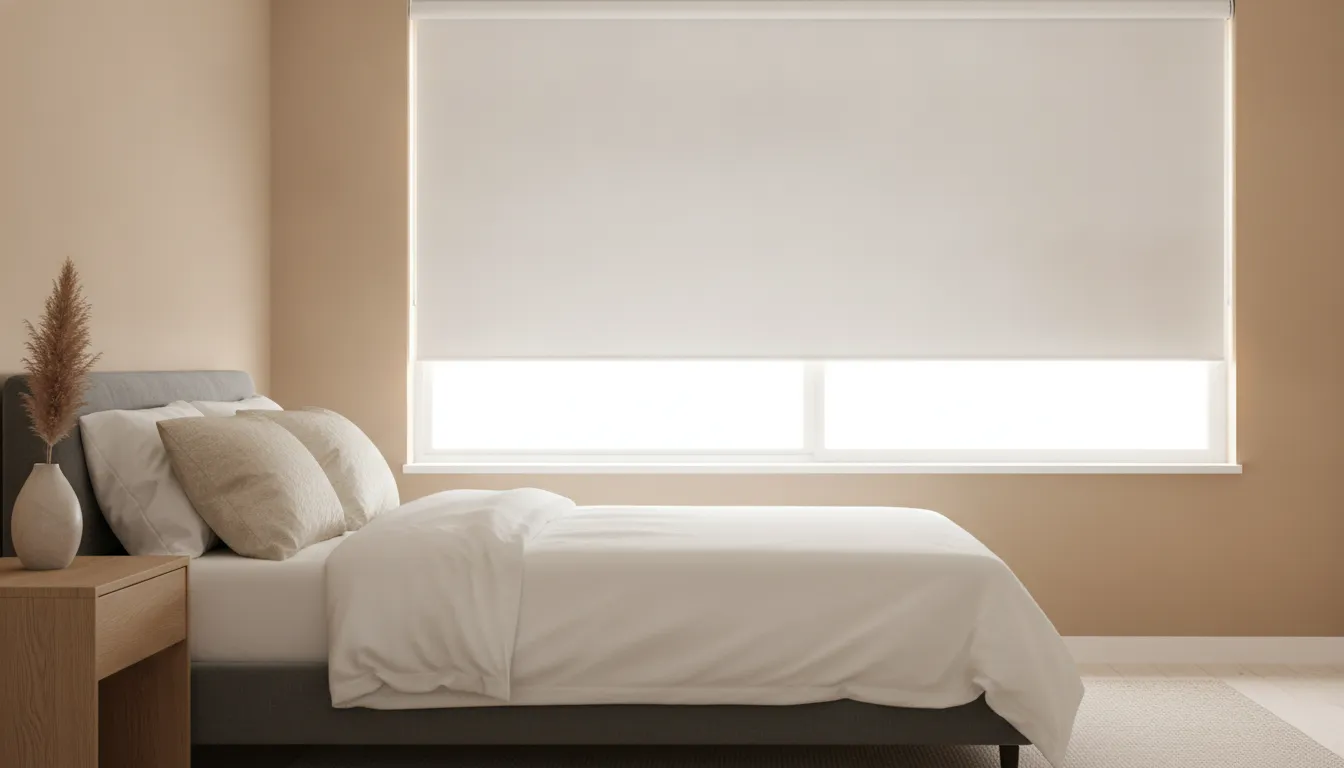
Your bedroom should be a sanctuary for rest, and nothing disrupts sleep quite like unwanted light. Blackout cellular shades are designed to block nearly all incoming sunlight, creating the dark, peaceful environment needed for a full night's sleep. This is especially helpful for shift workers or anyone who needs to sleep during the day. Beyond just darkness, they also help keep your bedroom's temperature stable. By providing an extra layer of insulation, these shades prevent heat from seeping in during the summer and escaping during the winter, ensuring your room stays comfortable year-round.
Media Rooms and Home Offices
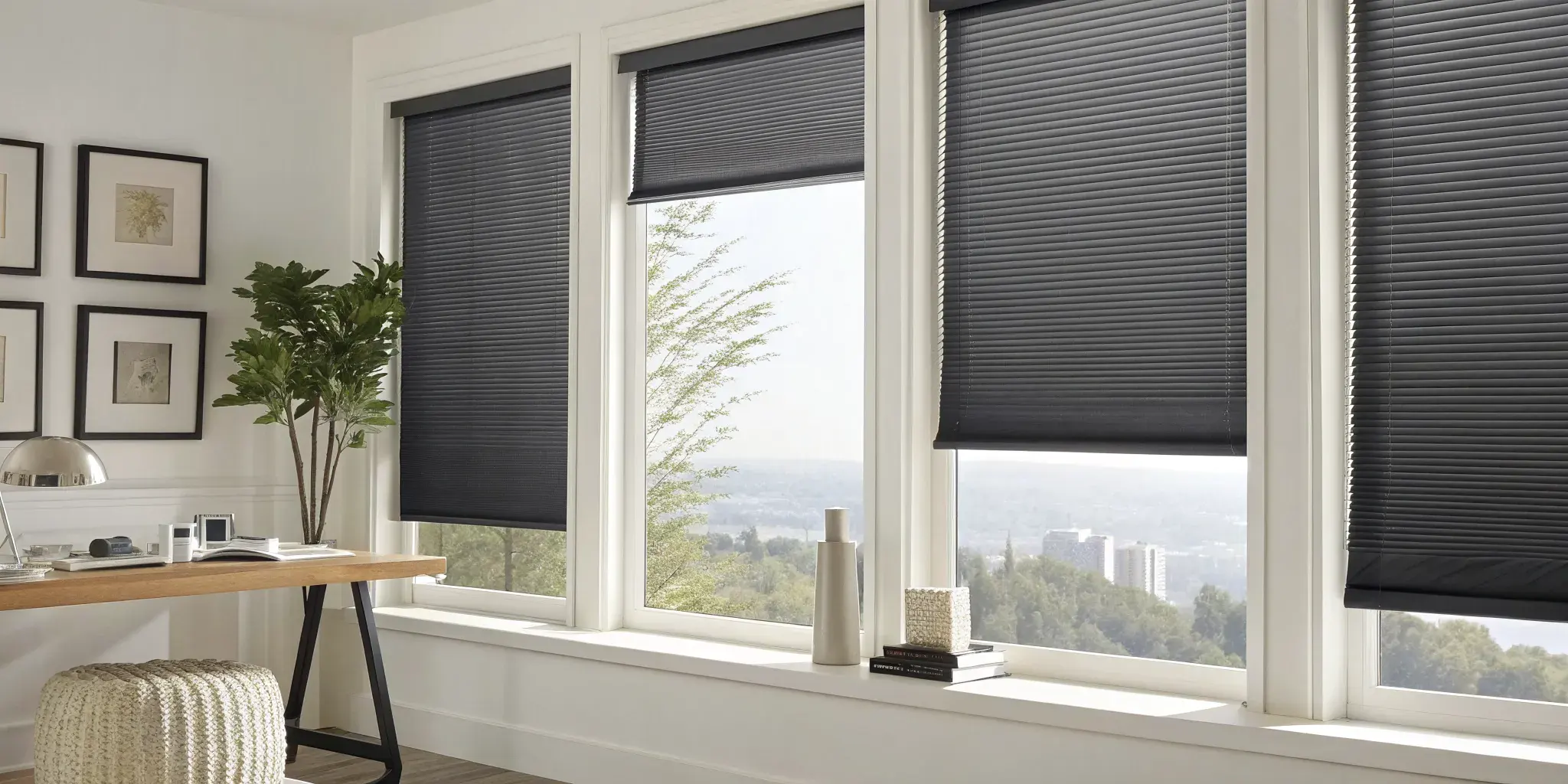
Whether you're settling in for a movie or focusing on a work deadline, glare on your screens is a major distraction. Blackout cellular shades eliminate this problem by giving you complete control over the light in your media room or home office. Their insulating properties also play a big role in comfort. Cellular shades trap air within their honeycomb cells and between the shade and the window, which helps maintain a consistent temperature. This means you can stay comfortable and productive without constantly adjusting the thermostat. A custom fit ensures no light gaps, creating the perfect environment for work or entertainment.
A Smart Choice for Southern California Homes
Living in Southern California means enjoying plenty of sunshine, but it can also mean high cooling costs. Blackout cellular shades are one of the most energy-efficient window treatments available, making them an ideal choice for homes in warm climates. They are incredibly effective at blocking the intense sun, which helps keep your home cooler and reduces the strain on your air conditioner. For homeowners in Riverside, Orange, and San Diego Counties, this translates directly into lower energy bills. If you're ready to make your home more comfortable and efficient, we can help you find the perfect fit for your windows.
Blackout Cellular Shades vs. Other Window Treatments
When you’re exploring window treatments, it’s easy to feel overwhelmed by the options. From classic blinds to elegant shutters, each has its own appeal. But if energy efficiency is a top priority, blackout cellular shades deserve a closer look. Their unique design is engineered to insulate your home, making them a smart choice for managing Southern California energy bills. Let's break down how they stack up against other popular window coverings.
How They Compare to Blinds and Shutters
While traditional blinds and shutters are fantastic for controlling light and adding style, they don’t insulate in the same way cellular shades do. Blackout cellular shades are often considered the most energy-efficient window treatment because their honeycomb pockets trap air, creating a barrier between the window and your room. This design helps keep your home cooler in the summer and warmer in the winter. Blinds have slats that let air pass through, and while shutters provide a solid barrier, they lack the specific insulating air pockets that make cellular shades so effective.
Energy Savings: Cellular Shades vs. Plantation Shutters
Plantation shutters are a beautiful, timeless addition to any home, offering durability and excellent light control. When it comes to pure energy savings, however, cellular shades often have the advantage. Research shows that cellular shades can reduce heat gain through your windows by up to 60% during hot months, a huge benefit for homes in Riverside and San Diego counties. While plantation shutters certainly help block direct sunlight, they may not provide the same level of thermal insulation. If your primary goal is to lower cooling costs, the insulating power of a cellular shade is hard to beat.
A Quick Look at Interior vs. Exterior Options
You might also consider exterior solutions like awnings, but interior cellular shades offer a powerful and convenient alternative. According to the U.S. Department of Energy, windows are a major source of energy loss in a home. Cellular shades tackle this problem directly at the source by trapping insulating air within their cells and between the shade and the window. This provides superior insulation without needing to install anything on the exterior of your home, making them one of the simplest and most effective shades for improving your home's comfort.
Get the Most from Your New Window Shades
Installing beautiful, new blackout cellular shades is a fantastic step toward a more comfortable and energy-efficient home. But to truly reap all the benefits, it helps to know how to use them effectively. Think of your
Pair Shades with Other Energy-Saving Habits
Your new cellular shades are a powerful tool for insulation, but they work best as part of a team. Think of them as a smart investment in your home's energy future. By pairing them with other simple, energy-conscious habits, you can create a truly efficient home. This could mean sealing drafts around windows and doors, using ceiling fans to circulate air, or programming your thermostat. When your shades work in tandem with these other small changes, you’ll notice a significant difference in both your home’s comfort and your monthly utility costs.
Make Small Seasonal Adjustments
To get the best performance from your shades, you’ll want to adjust them with the seasons. It’s a simple habit that makes a big impact. During our warm Southern California summers, keep your shades closed on sun-facing windows during the hottest parts of the day to block solar heat gain. In the cooler winter months, do the opposite. Open the shades on sunny days to let the natural warmth in, then close them at night to trap that heat inside. This strategy of managing your window coverings helps regulate your home’s temperature naturally, reducing the strain on your heating and cooling systems.
Keep Your Shades Working Like New
A little maintenance goes a long way in keeping your cellular shades looking and functioning their best. Over time, dust can settle into the honeycomb cells, so a light, regular cleaning is a great idea. You can gently go over them with the brush attachment on your vacuum cleaner to keep them free of dust and debris. This simple step ensures they operate smoothly and maintain their insulating properties for years to come. Proper care protects your investment and keeps your home looking polished. If you ever have questions about caring for your specific shades, we're always here to help.