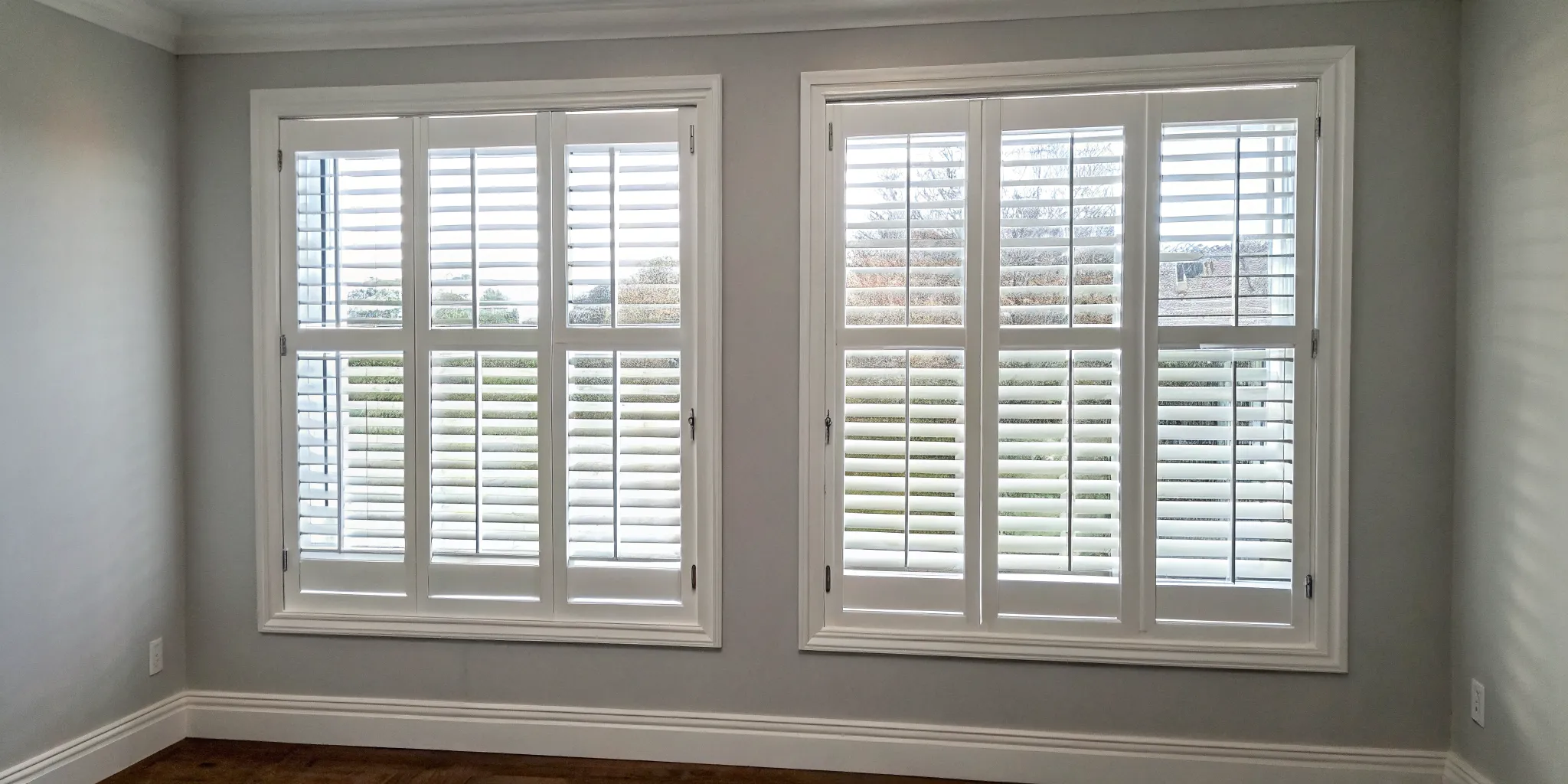
Not every room in your house has the same needs, so why should they have the same window treatments? A sun-drenched living room in San Diego has different requirements than a steamy bathroom in Riverside. This is where understanding the fundamental differences between shutter materials becomes so important. Composite shutters thrive in high-humidity environments where moisture could damage other materials. Wood shutters bring a cozy, sophisticated warmth that’s perfect for bedrooms and dining rooms. This guide simplifies the composite vs wood plantation shutters decision by looking at it from a room-by-room perspective, helping you choose the ideal material for every space in your home.
Key Takeaways
- Match the shutter material to the room: Composite shutters are the practical choice for high-moisture areas like bathrooms and kitchens because they won't warp. The natural elegance of wood shutters is best suited for dry spaces like living rooms and bedrooms.
- Balance your budget with your style goals: Wood shutters provide unparalleled, customizable beauty with a higher initial cost, while composite shutters offer a timeless, classic look that is more budget-friendly.
- Consider your long-term commitment to upkeep: If you prefer a low-maintenance option, composite shutters are perfect since they only require simple cleaning. Wood shutters need more delicate care, including regular dusting and protection from moisture, to maintain their natural finish.
Composite vs. Wood Shutters: What's the Difference?
Choosing the right shutters for your home can feel like a big decision, but it really comes down to understanding your space and your style. Both composite and wood shutters are fantastic choices that bring timeless elegance to any room. They each have unique qualities that make them better suited for different environments and needs. Getting to know the fundamental differences between them is the first step in finding the perfect fit for your windows in Orange County, San Diego, or Riverside. Let's break down what makes each type special.
An Introduction to Composite Shutters
Think of composite shutters as the durable, modern sibling in the shutter family. Often called faux wood, these shutters are engineered from a blend of wood by-products and PVC or vinyl materials. This construction gives them incredible strength and resistance to moisture, making them the perfect solution for high-humidity areas. If you're looking for window treatments for a kitchen, bathroom, or laundry room, composite shutters are an excellent choice because they won't warp, crack, or fade from moisture. While they are a bit heavier than their wood counterparts, their resilience is unmatched. They typically come in classic white and off-white finishes, offering a clean, crisp look that complements any decor.
An Introduction to Wood Shutters
There’s a certain warmth and classic beauty that only real wood can provide. Wood shutters are crafted from genuine woods like basswood, offering an authentic, natural aesthetic that can’t be replicated. Their main draw is their versatility in appearance; you can choose from a wide range of rich stains that highlight the natural grain or opt for a custom paint color to perfectly match your interior design. Because they are lighter than composite shutters, they are an ideal choice for covering large windows without putting extra stress on the frame. While they represent a higher initial investment, wood plantation shutters are known for their excellent insulation properties and can add significant resale value to your home.
How Do Composite and Wood Shutters Compare?
Choosing between composite and wood shutters can feel like a big decision, but it really comes down to understanding the unique qualities of each material. Both options offer timeless style and excellent light control, but their differences in construction, appearance, and durability will guide you to the perfect fit for your home. Think of it this way: one is a classic original, and the other is a modern, durable alternative designed to mimic that classic look.
Whether you’re looking for the authentic charm of real wood or the resilient nature of a composite material, knowing how they stack up against each other is key. We’ll break down the comparison point by point, looking at everything from how they’re made and how they hold up over time to their visual appeal and installation quirks. This will help you confidently select the right shutters for your space, whether it’s a sun-drenched living room in Orange County or a steamy bathroom in Riverside County.
Materials and Durability
Composite shutters are engineered for strength, combining wood by-products with durable PVC or vinyl materials. This blend makes them incredibly resistant to moisture, which means they won’t warp, crack, or fade, even in humid environments like bathrooms or kitchens. They are built to handle the demands of high-traffic areas and busy family life, making them a practical choice for many Southern California homes.
Real wood shutters, on the other hand, are crafted from natural woods like basswood. They offer an authentic, organic quality that many people love. However, because they are a natural material, they are more sensitive to moisture. Without proper care, wood can be prone to warping or cracking over time, so they are best suited for dry areas of the home like bedrooms and living rooms.
Style and Appearance
From a distance, it can be tough to tell composite and wood shutters apart. Up close, however, you’ll notice the distinct character of each. Real wood plantation shutters showcase a natural grain and texture that brings a warm, classic feel to any room. They can also be stained or painted in a nearly endless variety of colors to perfectly match your decor.
Composite shutters do an excellent job of mimicking the look of painted wood, offering a clean and polished finish that complements modern and traditional styles alike. While they may not have the same deep, natural texture as real wood, their smooth surface is consistent and easy to clean, providing a crisp look that many homeowners in San Diego County prefer.
Weight and Installation
One practical difference to consider is weight. Wood is a naturally lighter material than composite. This might not seem important, but it can affect installation, especially on larger windows. Because wood shutters are lighter, they can often be made into wider single panels. This creates a cleaner, more expansive view when the louvers are open. To learn more about how different slat widths affect your view, light, and home aesthetic, read our complete guide on plantation shutter louver sizes explained.
Composite shutters are denser and therefore heavier. This added weight means they may require more support or be constructed in smaller panels for large window openings. Our professional installation team handles every detail, ensuring a perfect fit no matter which material you choose, as you can see in our gallery of completed projects.
Eco-Friendly Factors
When it comes to environmental impact, both materials have their own green credentials. Wood is a renewable resource, and choosing shutters from sustainably managed forests is an eco-conscious choice. It’s a natural material that connects your home to the outdoors.
Composite shutters often get points for incorporating recycled materials into their composition. By using wood by-products, they help reduce waste. Ultimately, the most eco-friendly choice depends on your personal priorities, whether that’s using renewable resources or supporting the use of recycled content. We are always happy to discuss the sourcing of our materials when you contact us.
Weighing the Pros and Cons of Each
Choosing between composite and wood shutters comes down to your priorities, your home’s environment, and your personal style. Both are fantastic options that add value and beauty to your space, but they have distinct advantages and disadvantages. Let's break down the key points for each so you can feel confident in your decision.
Pros and Cons: Composite Shutters
Composite shutters are the practical powerhouse of window treatments. Their biggest advantage is durability. Made from a blend of wood by-products and PVC materials, they are built to withstand the challenges of daily life, especially in the varied climates of Riverside and Orange County. They resist moisture, heat, and humidity, which means no warping, cracking, or swelling. This makes them a perfect fit for bathrooms, kitchens, and laundry rooms.
On top of being tough, composite shutters are generally more affordable than their wood counterparts and require very little upkeep. You won’t ever need to worry about refinishing them; a simple wipe-down is all it takes to keep them looking new. The main trade-off is that they may not offer the same authentic, natural grain look as real wood, and custom color options can be more limited.
Pros and Cons: Wood Shutters
There’s a reason wood shutters are a classic choice. They bring a natural warmth, texture, and timeless elegance to a room that is hard to replicate. The biggest pro for wood is its unparalleled beauty and customization. You can have them crafted to fit any unique window shape or size and choose from an endless array of paint colors or custom stains to perfectly match your home’s decor.
However, this premium aesthetic comes with a few considerations. Wood is a natural material, making it more susceptible to moisture. Without proper care, wood shutters can warp or crack in high-humidity environments, so they aren't the best choice for bathrooms. They also typically represent a higher initial investment than composite options. Think of them as fine furniture for your windows; they require a bit more care but offer a truly bespoke look.
A Look at the Cost Comparison
When you’re choosing window treatments, the budget is always a key factor. But the price tag on day one doesn’t tell the whole story. It’s also important to think about maintenance costs and the long-term value you’re getting. Both composite and wood shutters are excellent investments that add value to your home, but they differ in their initial cost and upkeep needs. Let’s break down what you can expect financially from each option.
The Initial Investment
Right from the start, you’ll notice a price difference between these two materials. Wood shutters typically have a higher upfront cost, often ranging from 35% to 50% more than their composite counterparts. This is because natural wood is a premium material that requires more detailed craftsmanship to achieve that beautiful, authentic finish.
On the other hand, composite shutters are the more budget-friendly choice. Made from durable engineered materials, they offer the classic look of plantation shutters without the higher price point of real wood. If your primary goal is to get a beautiful, uniform look throughout your home while staying within a specific budget, composite is an excellent starting point.
Long-Term Value and Upkeep
This is where the cost comparison gets interesting. While composite shutters cost less initially, their real financial advantage shines over time. They are incredibly low-maintenance and never need to be repainted or refinished. A simple wipe-down is all it takes to keep them looking new, saving you money and effort for years to come.
Wood shutters, while stunning, may require a bit more care to protect your investment. Depending on exposure to sun and wear, they might eventually need refinishing to maintain their luster. However, with proper care, high-quality wood shutters can last for decades, becoming a timeless feature of your home that justifies the initial expense and occasional upkeep.
Return on Your Investment
Both composite and wood shutters are highly desirable features that can increase your home's resale value. Your return on investment really comes down to your priorities. Composite shutters offer a fantastic ROI due to their durability, low maintenance, and affordable price. They provide a high-end look that lasts, making them a practical and valuable addition to any home in Orange County or San Diego County.
Wood shutters provide a different kind of return. They are an investment in unparalleled natural beauty, texture, and classic style. For homeowners who prioritize authenticity and a warm, inviting aesthetic, the value of real wood is unmatched. You can see examples of both in our gallery to help you decide which investment feels right for you.
Which Shutter Is Right for Your Space?
Choosing between composite and wood shutters often comes down to the room you're decorating. Each material has unique strengths that make it a better fit for certain environments. A shutter that works perfectly in your bedroom might not be the best choice for a steamy bathroom. Let's walk through some common spaces in your home to help you decide which material will perform best and look great for years to come.
Best for Bathrooms and High-Moisture Areas
When it comes to rooms with a lot of moisture and humidity, like bathrooms, kitchens, and laundry rooms, composite shutters are the clear winner. They are specifically engineered to resist moisture, so you won’t have to worry about them warping, cracking, or peeling from steam or temperature changes. This durability makes them an incredibly practical, low-maintenance choice for the hardest-working rooms in your house. You get the classic, clean look of shutters without the stress of potential water damage, ensuring they stay beautiful for the long haul.
Ideal for Living Rooms and Bedrooms
For spaces where you want to create a warm and inviting atmosphere, wood shutters are an excellent choice. Think living rooms, dining rooms, bedrooms, and home offices. The natural grain and texture of real wood add a touch of timeless elegance and a high-end feel that composite materials can't quite replicate. Plantation shutters made from wood can make a room feel cozy and established, turning your windows into beautiful focal points. They are perfect for the areas where your family gathers and where you go to relax.
Handling the Southern California Climate
Living in Southern California means we get to enjoy plenty of sunshine, but our climate can also bring heat and humidity, especially in coastal areas. Composite shutters are exceptionally good at handling these conditions. They are built to withstand temperature fluctuations and moisture without swelling or cracking, making them a smart investment for homes throughout Orange, Riverside, and San Diego counties. For many homeowners in the areas we serve, the resilience of composite shutters makes them a reliable choice not just for bathrooms, but for the entire home.
Comparing Care and Maintenance Needs
When you’re choosing new window treatments, it’s easy to focus on style and cost. But thinking about long-term care is just as important. How much time are you willing to spend on upkeep? Your answer can help you decide between composite and wood shutters, as their maintenance needs are quite different. One offers a simple, hands-off approach, while the other requires a bit more attention to keep it looking its best. Let's walk through what you can expect from each so you can feel confident in your decision.
How to Care for Composite Shutters
If you love a low-maintenance lifestyle, composite shutters are a fantastic choice. They are incredibly easy to care for because their durable finish resists moisture, staining, and fading. To clean them, all you usually need is a soft cloth lightly dampened with water to wipe away dust and grime. You’ll never have to worry about sanding, repainting, or refinishing them down the road. This makes them a practical and stress-free option for busy households, especially in rooms like kitchens and bathrooms where splashes and humidity are common. These resilient shutters are designed to look great for years with minimal effort on your part.
How to Maintain Wood Shutters
Real wood shutters bring a timeless warmth to any room, but they do ask for a little more care to preserve their natural beauty. The most important rule for wood is to keep it dry. Moisture can cause the wood to warp, swell, or crack over time, so it’s best to avoid using them in high-humidity areas. For cleaning, regular dusting with a soft, dry cloth or a feather duster is the way to go. Avoid using water or harsh chemical cleaners. While they are built to last, wood plantation shutters may eventually need to be refinished to restore their original luster, but with proper care, they will remain a stunning feature in your home for a very long time.
How Long Will Your Shutters Last?
Both composite and wood shutters are excellent long-term investments for your home. High-quality composite shutters are engineered for durability and can easily last for decades without chipping, warping, or fading, even in the sunny climate we have in Orange County and San Diego. They hold up beautifully with very little intervention from you. Wood shutters also have an impressive lifespan and can become a permanent fixture in your home, often lasting for generations. Their longevity, however, depends heavily on consistent care. As long as you protect them from moisture and dust them regularly, they will continue to add value and elegance to your space. You can see beautiful examples of both in our gallery.