Sliding glass doors bring in Southern California light and connect indoor spaces with patios, but their width and frequent use make them harder to cover than standard windows. The right solution should move smoothly, protect privacy, and manage glare without interfering with the door or your view.
The best window treatments for sliding glass doors depend on your priorities: vertical blinds offer practical light direction, panel track shades create a clean look across wide spans. Sliding shutter panels provide a durable premium finish, and motorized shades simplify daily operation. In every case, accurate measuring and a custom fit help cover the entire frame and prevent unwanted light gaps.
Call Vineyard Blind & Shutter at (951) 757-4188 for a free consultation on custom window treatments for your sliding glass doors today.
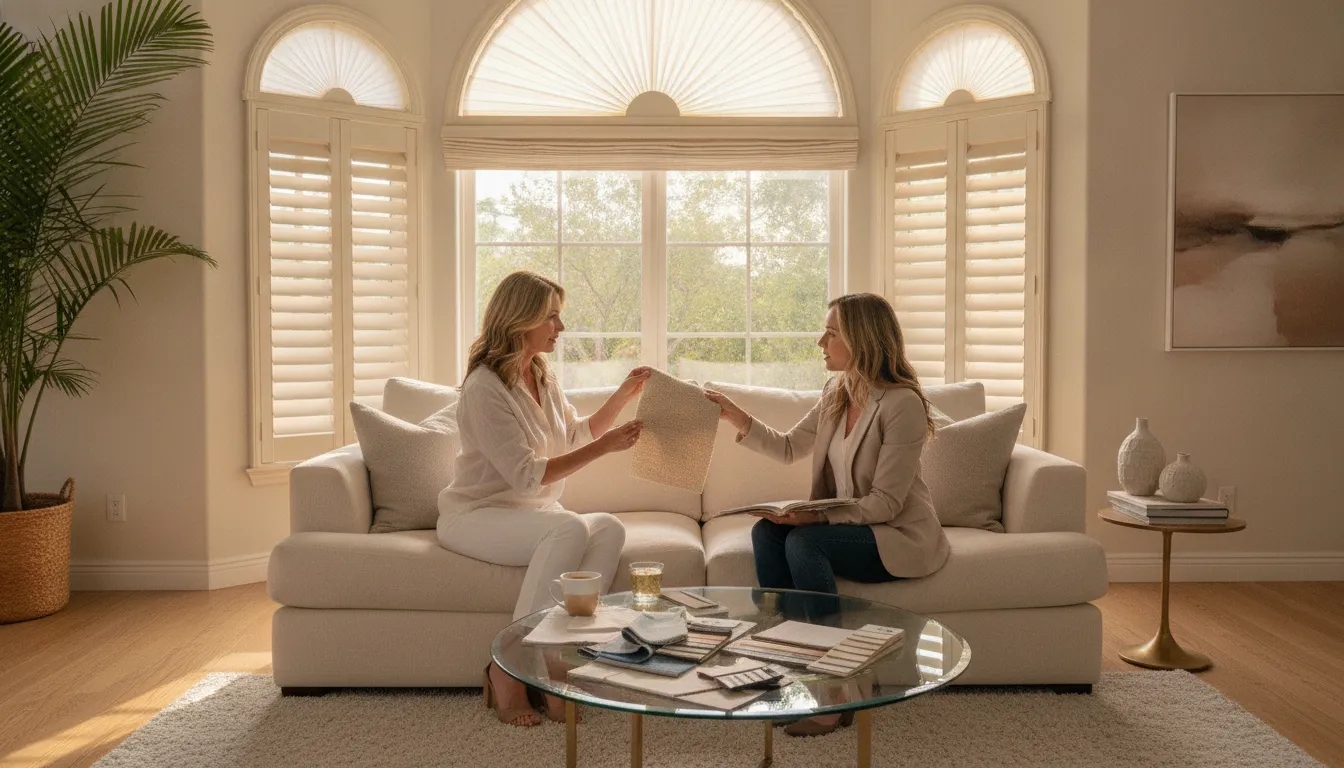
Consider how much sunlight enters the room, whether you need filtered light or greater privacy, and how often the door is used. A professional in-home consultation lets you compare fabrics, finishes, and operating styles in your own lighting before choosing the best match.
What Are the Best Window Treatments for Sliding Glass Doors?
The best choice depends on how you use the door, how much sun the room receives, and whether your priority is insulation, privacy, style, or easy daily operation. Sliding glass doors also need treatments that move with the door's wide opening without crowding the walkway. A custom measurement matters just as much as the material. It helps the treatment cover the full frame and prevent light gaps along the sides or edges.
Here is a practical comparison of the most useful options. For a broader overview of styles, see these types of window treatments before narrowing down your selection.
| Treatment | Best for | Key benefits | Considerations |
|---|---|---|---|
| Vertical cellular shades | Heat and energy management | Honeycomb construction helps provide an energy-efficient layer across a large glass opening. Vertical cellular shades are a popular solution for sliding doors. | Choose the opacity carefully if you want daytime privacy without losing useful natural light. |
| Panel track shades | Modern rooms and wide spans | These clean-lined panels glide across the door and are available in 450 or more colors, textures, and opacity options. They create a streamlined look for contemporary spaces. | The track and panel layout should be measured around the door handle, frame, and preferred opening direction. |
| Sliding shutter panels | Durability and a high-end appearance | Plantation or Polycore shutters can use a bypass configuration, allowing panels to slide past one another. They offer a substantial, tailored look and customizable finishes. | They are a more permanent design investment and require careful planning for clearance and panel movement. |
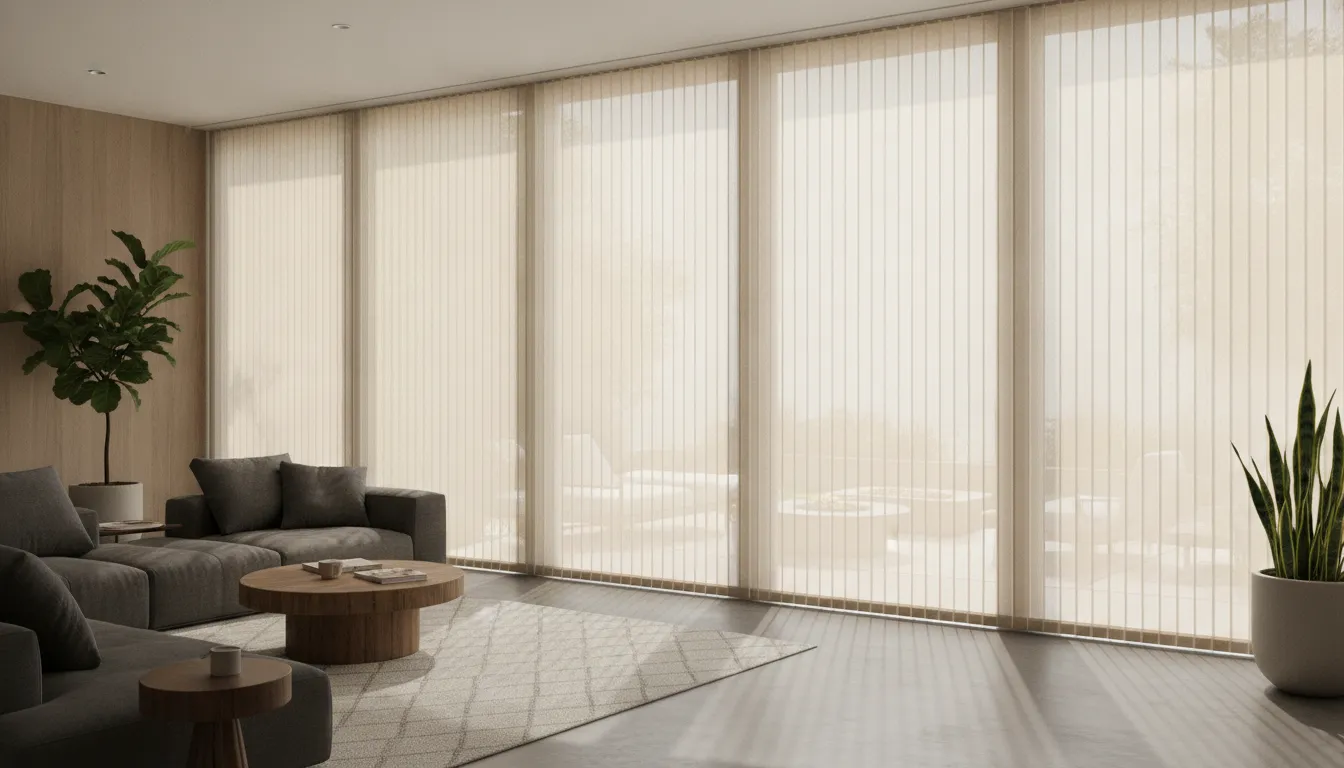
| Vertical blinds | Classic function and flexible light control | Vertical blinds are familiar, practical, and well suited to large patio doors. Faux wood versions are moisture-resistant and durable for busy areas, while rotating vanes help direct light. | Look for a smooth-operating track and simple-to-clean materials, especially when the door is used frequently. |
| Solar shades | Glare reduction and preserved views | Solar shades reduce glare and help protect furnishings from UV rays without completely blocking the view outside. They work well in bright Southern California rooms. | Screen openness affects privacy, glare control, and visibility, so samples should be viewed in the room's actual light. |
For any of these options, professional measuring helps account for the door's track, handles, frame depth, and clearance. It also reduces the chance of uncovered edges that let in unwanted sunlight. Vineyard Blind & Shutter brings samples to your home through its mobile showroom. Making it easier to compare fabrics, finishes, and light-filtering levels in the space where the treatment will be installed.
For additional background on the product categories, the comparison guidance from Hunter Douglas covers vertical cellular shades, panel tracks, and vertical blinds for sliding-glass doors.
Panel Track Shades: A Modern Solution for Wide Sliding Doors
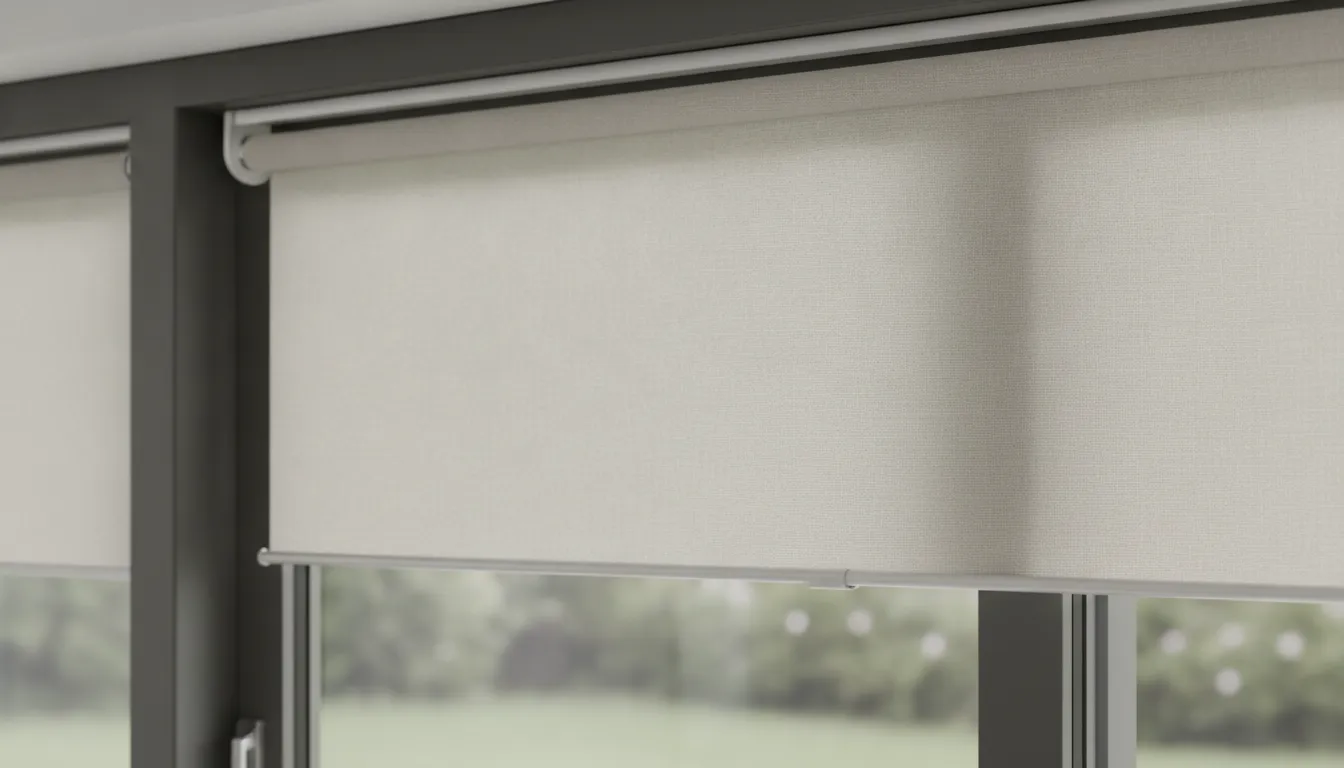
Panel track shades bring a clean, contemporary look to wide sliding glass doors without making the opening feel visually heavy. Their broad fabric panels move horizontally along a track, allowing you to uncover the doorway smoothly when you want an open connection to a patio, yard, or balcony. That simple operation makes them a natural fit for Southern California homes built around indoor-outdoor living.
Design flexibility is one of their strongest advantages. Panel track systems such as Skyline panels are available in more than 450 colors, textures, and opacity options, according to Hunter Douglas. You can choose a light-filtering fabric for a bright living room, a more private option for a bedroom, or a darker panel when reducing afternoon glare matters most. The wide panels also create a calmer, more finished appearance than a collection of narrow vertical slats.
Why smooth operation matters
A sliding door treatment is used often, so the track should feel easy to operate every time. Smooth-operating tracks help the panels glide across the opening with less effort and support reliable long-term use. This is especially helpful when the door is a main route between the home and an outdoor entertaining area. A professional installation also helps keep the panels aligned and ensures the treatment covers the full door frame, limiting unwanted light gaps.
Choosing the right panel style
Start with the room's light and privacy needs, then consider the colors and textures already present in the space. A subtle neutral can blend with the walls, while a woven or textured panel can add visual interest without competing with the view. Because wide doors have a large glass area, the right opacity can make the room more comfortable during bright, sunny afternoons while preserving the streamlined design.
Call Vineyard Blind & Shutter at (951) 757-4188 to compare custom shades and panel options in your home with our mobile showroom.
Vineyard Blind & Shutter can help you compare custom shades and panel options in your own home. With a mobile showroom, you can see fabrics in the actual lighting of your room before choosing a finish.
Are Vertical Cellular Shades a Good Choice for Sliding Glass Doors?
Yes. Vertical cellular shades, also called honeycomb shades, are a strong option when a sliding glass door needs both practical operation and better thermal comfort. Their pleated cells trap air, creating an insulating layer between the room and the glass. This is especially helpful on a large door because a broad glass surface can contribute to heat gain during sunny weather.
In Southern California, that heat-management benefit matters during long summer afternoons. A well-fitted shade can reduce the intensity of direct sun entering the room; it helps the space feel more comfortable without giving up the clean, coordinated look of a custom window treatment. The U.S. Department of Energy recommends energy-efficient window attachments as one way to improve window performance and reduce energy use. Download the DOE cellular shades energy factsheet (PDF).
Why the honeycomb design helps
The internal air pockets are the defining feature. Instead of using a flat material alone, cellular construction adds layers that slow heat movement through the shade. That makes vertical cellular shades worth considering for rooms with west-facing doors, bright living areas, or indoor-outdoor spaces that become noticeably warmer when the sun is strongest.
What to consider before choosing them
Sliding doors are used frequently, so the shade must glide and stack smoothly without interfering with the door's operation. A custom measurement is important as well. Proper sizing helps cover the full frame and minimize light gaps at the sides or edges. It also accounts for handle clearance, track placement, and the amount of space available when the panels are opened.
Vertical cellular shades are not the only custom shades solution, but they are a particularly useful fit when insulation and heat control rank as highly as privacy. Vineyard Blind & Shutter can bring samples to your home through its mobile showroom. So you can compare fabrics and light-filtering levels in the actual room before selecting a treatment.
Sliding Shutter Panels: A Durable and Elegant Option for Sliding Glass Doors
For homeowners who want a more permanent alternative to fabric or standard vertical coverings, sliding shutter panels offer a substantial, finished look. These plantation-style panels are built to handle daily use while giving a large glass opening the architectural presence it deserves. Polycore and plantation shutters can be configured specifically for sliding glass doors. Including a bypass arrangement that lets one panel slide past another instead of requiring the entire opening to remain clear at once.
How the bypass configuration works
In a bypass system, the shutter panels travel along separate tracks. To open the door, the panels glide behind or in front of one another, stacking neatly to the side. This makes the design practical for wide openings where hinged panels would need too much clearance. Closed panels provide privacy and strong light control, while adjustable louvers allow you to direct daylight rather than simply choosing between an open or closed door.
Designed for your room and Southern California sunlight
Shutter panels can be customized with different louver sizes, finishes, and frame styles so the treatment coordinates with your flooring, trim, and existing furniture. In Southern California, material selection matters because sliding doors receive intense, direct sunlight. UV-resistant and fade-resistant materials help the finish maintain its appearance over time, even in bright rooms that experience long hours of exposure.
A well-made shutter is also a long-term design investment. Custom-installed plantation shutters can add perceived quality and may contribute to home value by providing a durable, permanent window-covering solution. The right choice depends on the door dimensions, track clearance, handle location, and how frequently the opening is used. Expert measuring is essential for a smooth glide, complete coverage, and a clean fit without distracting gaps around the frame.
Vineyard Blind & Shutter provides custom plantation shutters with professional measuring and installation. A mobile showroom makes it possible to compare louver sizes and finishes in your own lighting before choosing the right fit for your home.
Are Vertical Blinds Still a Good Option for Sliding Glass Doors?
Yes. Vertical blinds remain a practical choice for large patio doors, especially when you want dependable coverage without the cost or visual weight of a more permanent treatment. They open from side to side, keeping the door path accessible, and their vertical orientation works naturally with a wide glass opening. They are also much better than the old, flimsy plastic versions many homeowners remember. Today's materials, hardware, and finishes offer a more polished appearance and more dependable everyday operation.
Faux wood vertical blinds are particularly useful in busy rooms. The material is moisture-resistant and durable, making it a sensible option for a frequently used door that connects the living space to a patio or yard. Because the slats rotate, you can direct light away from glare-prone areas while still allowing natural light into the room. That flexibility is useful during bright Southern California afternoons when you want to reduce glare without closing off the entire doorway.
What makes modern vertical blinds easier to live with?
Maintenance is straightforward. Regular dusting and occasional cleaning with a mild soapy solution help keep the slats looking fresh and can extend their usable life. The simple design also makes it easier to replace or adjust individual components if normal wear occurs over time. For the best fit, the treatment should be measured around the full door frame and installed with enough clearance for smooth movement. Custom measuring helps prevent light gaps at the sides and avoids interference with the handle or sliding panel.
Vertical blinds are not the only option, but they remain worth considering when you value practical light control, durability, and budget-conscious design. Explore our vertical blinds or compare them with other custom blinds to see which solution best suits your door and room.
Motorized Window Treatments for Sliding Glass Doors: Convenience Meets Technology
Sliding glass doors often serve as the main route to a patio, deck, or backyard, so their window treatments need to work smoothly every day. Motorization makes opening and closing a large treatment easier, especially when the door spans a wide wall or the controls would otherwise be difficult to reach. A quiet motor can adjust the covering with a remote, wall control, or compatible smart-home system, depending on the product selected.
Make Frequent Door Use Easier
Manual operation can become frustrating when a sliding door is used throughout the day. Motorized shades, blinds, and other treatments let you adjust privacy and daylight without walking across the room or handling a long panel. This is especially helpful in open-plan living areas, homes with wide patio openings, and rooms where furniture makes the treatment harder to access.
Vineyard Blind & Shutter offers motorized options across shades, blinds, and shutters, allowing the operating style to match the product and the room. During an in-home consultation, the team can consider the door's width, how often it is used. And whether the treatment should open toward one side or divide across the span.
Use Timers for Comfort and Peace of Mind
Motorized shades can be programmed to open and close on a schedule. You might have them open in the morning for natural light, lower them during the brightest afternoon hours, and close them in the evening for privacy. Timed operation can also make a home appear occupied while you are away, adding a practical security benefit without asking someone to adjust the treatments manually.
Scheduling is useful in Southern California, where patio doors receive strong sunlight and rooms can heat up during long summer afternoons. Automated adjustments help you respond to changing light throughout the day while preserving the indoor-outdoor feel that makes these spaces so appealing.
Choose Cordless Safety for Families
Cordless designs eliminate dangerous loops, making them a safer choice for homes with children and pets. With no dangling cords near a frequently used doorway, the treatment has a cleaner appearance and fewer obstacles around the opening. A custom measurement is still important. Proper fitting helps the treatment cover the full door area and limits unwanted light gaps at the edges.
- Remote control -- adjust the treatment from anywhere in the room
- Programmed scheduling -- open and close the shades automatically
- Cordless safety -- no dangling cords near a busy doorway
Whether you prefer a soft shade, a practical blind, or a more substantial shutter. Motorization can make your sliding glass door easier to use and simpler to manage every day.
Frequently Asked Questions
Which treatment works best for a sliding glass door?
The right choice depends on your priorities. Vertical blinds offer familiar, adjustable light control, panel track shades glide neatly across wide openings, and sliding shutter panels provide a durable, more architectural appearance. Cellular shades are a strong option when reducing heat transfer and improving indoor comfort is important. Start with privacy, glare, insulation, and how often the door is used.
Are vertical cellular shades a good choice for sliding glass doors?
Yes. Their honeycomb construction traps air, which helps insulate the glass and support more consistent indoor temperatures. That can be useful in Southern California, where large glass doors may contribute to heat gain during sunny weather. The treatment still needs accurate measurements so it clears the frame and opens smoothly. For background on efficient window attachments, see the DOE cellular shades energy factsheet.
Can motorized blinds be used on sliding glass doors?
Yes. Motorization can simplify operation when the door is wide, frequently used, or difficult to reach. Depending on the product, you can operate the treatment remotely or set a schedule for opening and closing. This is especially convenient for managing afternoon glare and privacy without crossing the room. A professional can confirm that the motorized system is compatible with the chosen track or shade.
How do I prevent light gaps around a sliding door treatment?
Use a custom measurement and installation rather than relying on a standard size. The installer should account for the full door frame, nearby walls, handle clearance, and the direction the panel or blind must travel. A precise fit helps cover the edges more completely and supports smooth daily operation. An in-home consultation also lets you compare fabrics, finishes, and light-filtering levels in your own room.
Ready to Choose the Right Sliding Door Treatment?
A professional look starts with seeing the options in your own space, where light, layout, and daily use all matter. Vineyard Blind & Shutter brings its mobile showroom to your home and helps you plan a properly fitted solution with professional installation. To schedule a free in-home consultation, call (951) 757-4188. We will help you compare practical choices for your sliding glass doors and take the next step with confidence.