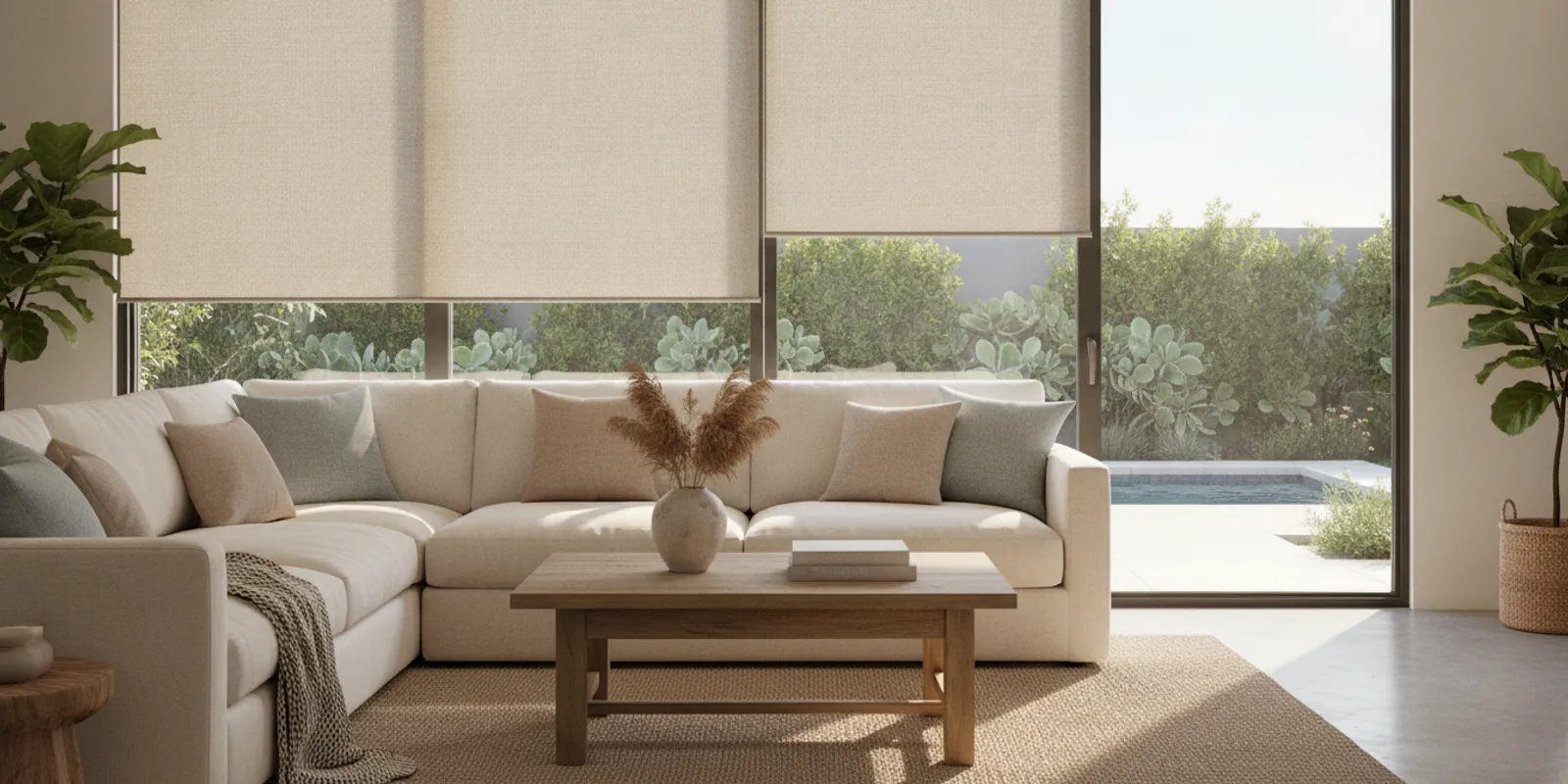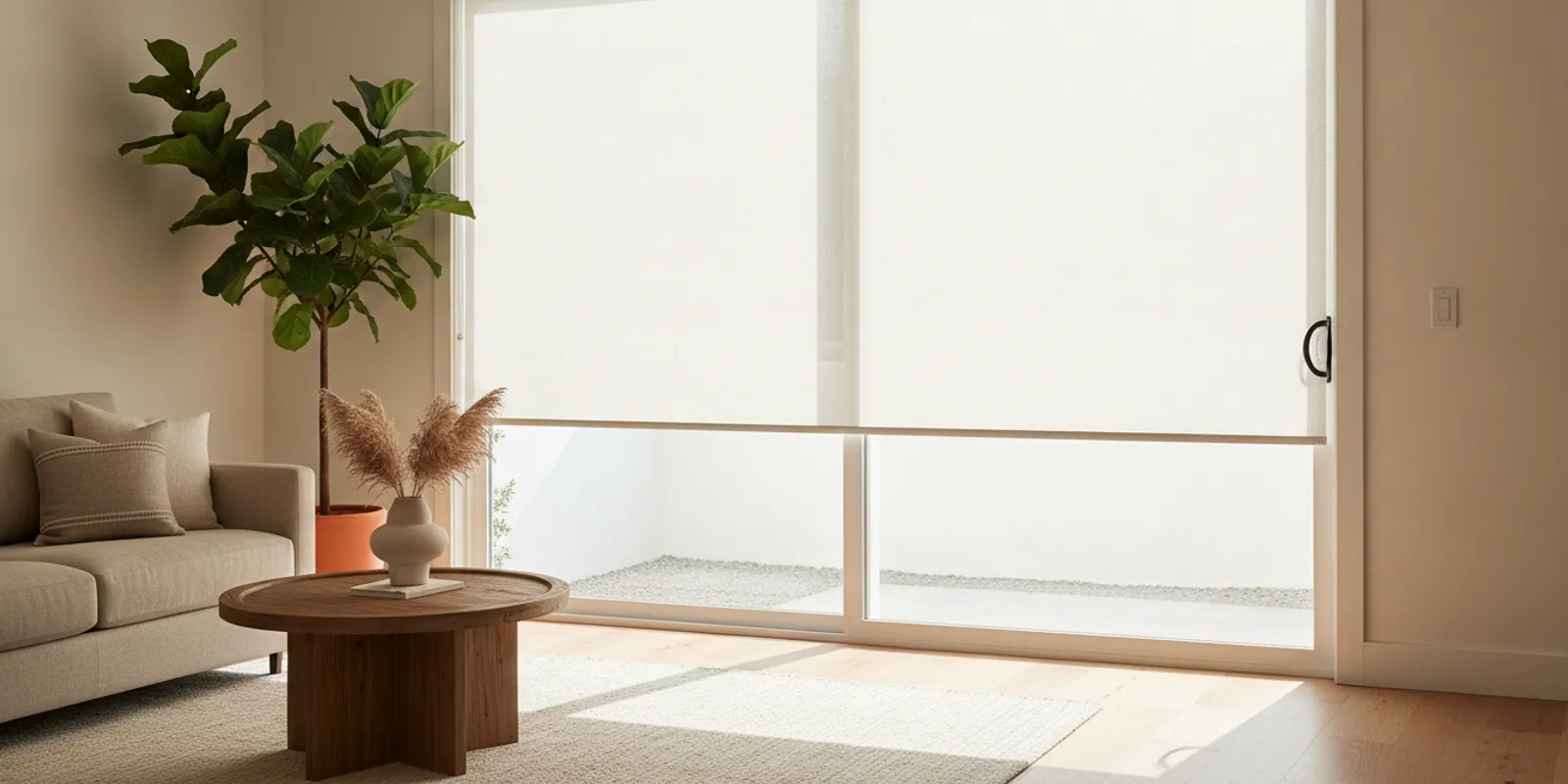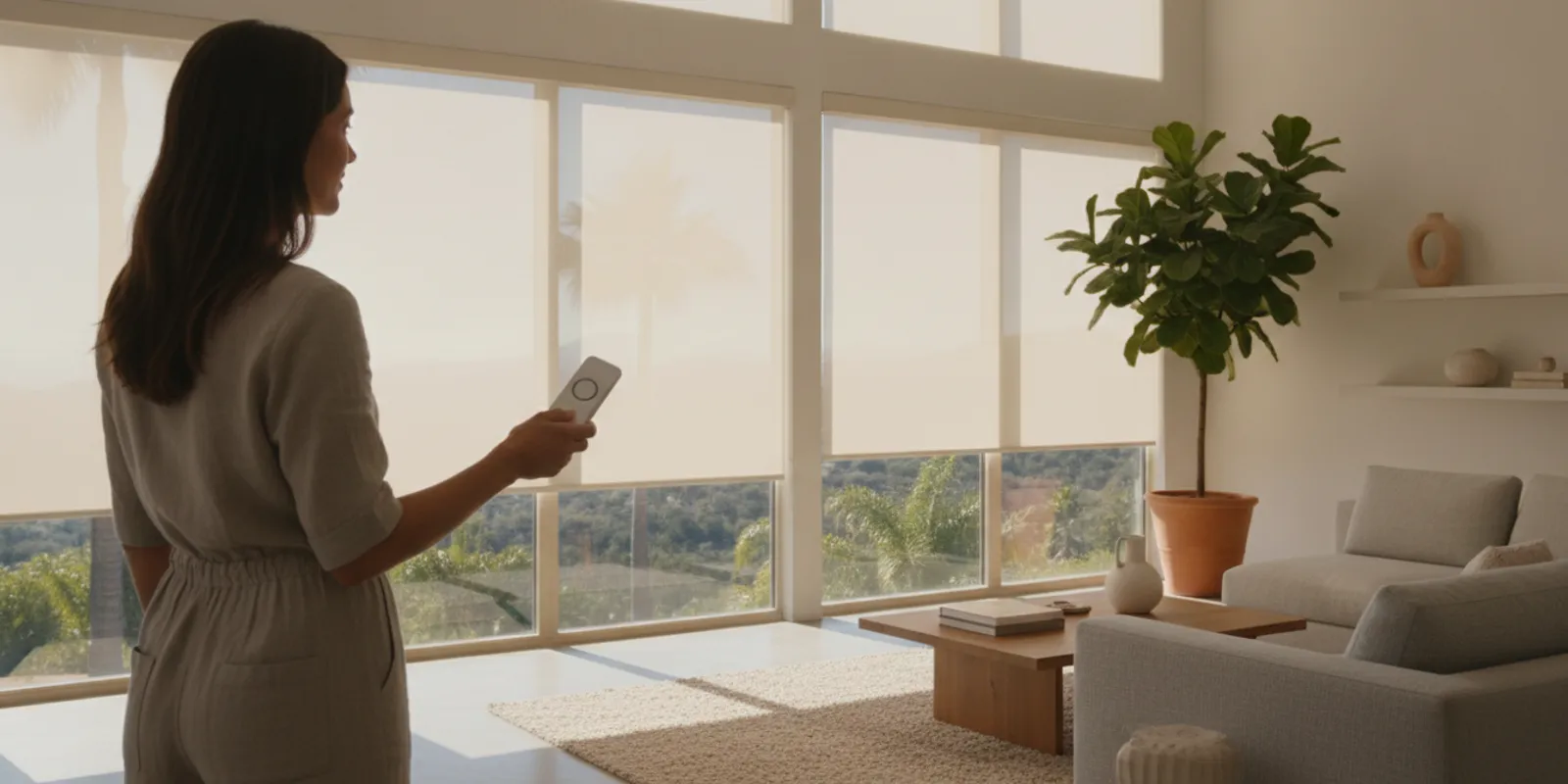
Automatic window shades remote control systems can make it easier to adjust light and privacy without reaching across a room or operating each shade by hand. The right setup depends on the window, how often you use it, and whether you want a simple handheld remote or broader smart-home control. Here is what to compare before choosing.
Call Vineyard Blind & Shutter at (951) 757-4188 for a free in-home consultation today.
What does a remote-controlled shade system include?
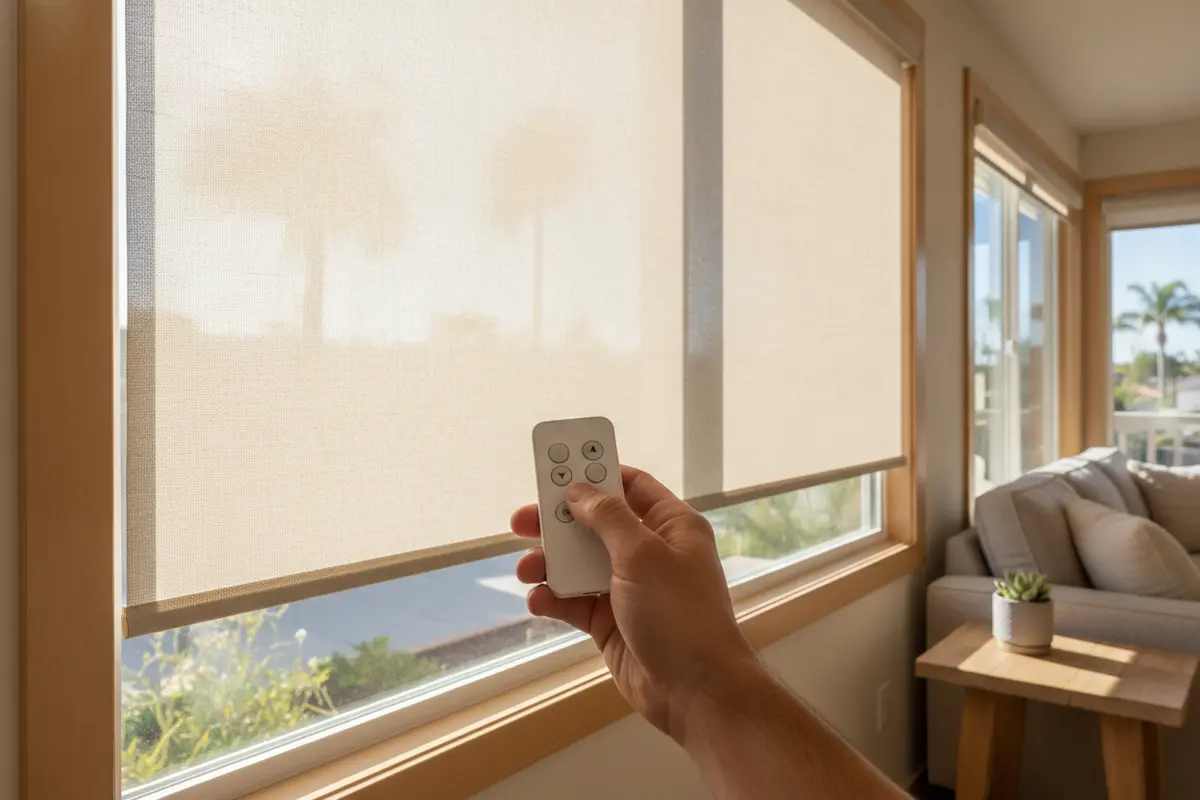
A motorized shade combines a window covering, a motor, and a control method. Press a button and the motor raises, lowers, or positions the shade. Depending on the system, you may control one shade at a time or group several shades together. Some systems use a handheld remote; others offer a wall control, app, or smart-home connection.
Q: What should you compare first when shopping for remote-controlled shades? A: Start with the window dimensions and mounting space, then compare power source, control method, group operation, and how the shades will be used each day.
Remote control is especially useful when a window is hard to reach, when several shades need frequent adjustment, or when you want a convenient way to change the room’s light. It does not determine how much light or heat the fabric blocks. That depends on the shade material, construction, fit, and installation.
For a broader view of powered options, see Vineyard’s guide to motorized shades and its overview of motorized smart blinds.
Which remote and control options are worth comparing?
A remote can be straightforward or part of a larger control system. Think about who will use it, how many shades you want to move together, and whether you want to adjust them from a fixed location or a phone.
| Control option | How it works | Good fit when | Questions to ask |
|---|---|---|---|
| Handheld remote | Buttons operate a shade or a programmed group. | You want a simple control that can move around the room. | Can one remote operate individual shades and groups? |
| Wall control | A fixed switch or keypad operates selected shades. | You want a control in a predictable, easy-to-find place. | Can the control be installed where it is convenient to use? |
| Phone app | A compatible app provides control through a phone or tablet. | You prefer using a personal device or want to manage multiple shades. | Does the system require a hub, network connection, or specific app? |
| Smart-home integration | A compatible system may connect shade operation with a smart-home platform. | You already use compatible connected devices and want coordinated control. | Which platform and functions are supported by the selected motor? |
Capabilities vary by product. Confirm that any feature you care about—such as group control, app access, or voice operation—is available with the actual motor and control package being quoted. A remote that can operate multiple shades may need those shades assigned to separate channels or groups; ask how that setup works before installation.
It also helps to test the control logic in plain language before committing. For example, if a living room has three windows, ask whether one button can lower all three while another channel still lets you adjust just the window beside the television. If a control has numbered channels, ask how the installer will label or explain them. Agreeing on a simple naming plan can prevent confusion later, especially when several rooms use similar-looking remotes.
Should you choose battery-powered or wired motorization?
Power is an important practical difference. Battery-powered systems can avoid adding wiring at the window, while wired systems require a suitable power plan and installation conditions. The best option depends on the window treatment, room, access to power, and how many shades are being considered.
- Battery-powered: Ask how the battery is accessed, what charging or replacement involves, and whether the location will be easy to reach.
- Wired: Ask what wiring or power preparation is required and whether the existing room layout supports it.
- Solar-assisted options: If offered for the selected system, confirm placement needs and what is included rather than assuming every motor supports it.
Do not choose on the word “automatic” alone. A tall or wide shade, a frequently used living-room window, and a rarely adjusted bedroom shade may lead to different priorities. Ask the consultant to explain the practical maintenance and control differences for the specific products under consideration.
An academic case study on automated interior insulating shades describes separate control zones and programmable operation. It illustrates why it is useful to ask how a proposed system will be grouped and programmed; it is not a specification for every residential product. Read the case study on automated interior insulating window shades.
How do fit and mounting affect everyday use?
Motorization does not replace accurate measuring. A shade still needs to fit the opening and suit the mounting surface. An inside mount sits within the window frame and depends on adequate depth and a clear path of operation. An outside mount covers the frame or extends beyond it, which can be useful when the window shape or available depth makes an inside mount difficult. The best choice depends on the window and the desired appearance.
Before selecting a motor, take note of:
- Window width and height, including any unusual angles or obstructions.
- Frame depth and whether handles, locks, or trim could interfere.
- Nearby outlets, furniture, and places where a wall control might go.
- Whether nearby windows should move together or independently.
- Where a remote will be stored so it is available but not easily misplaced.
Custom measuring helps account for differences between windows that look similar but are not exactly alike. Vineyard offers mobile window treatment services and brings samples to the home, so you can consider the fabric and control in the actual room. For product choices, explore the company’s custom shade options.
Think through the full path of movement too. A deep window sill, a handle that projects into the opening, or furniture beneath the window can affect where the shade sits and how it operates. For adjacent windows, note whether the frames are level and similar in size; a visual mismatch may be noticeable even when the shades use the same fabric. A professional measurement can identify these details before the final configuration is selected.
How should you compare fabric, light, and privacy?
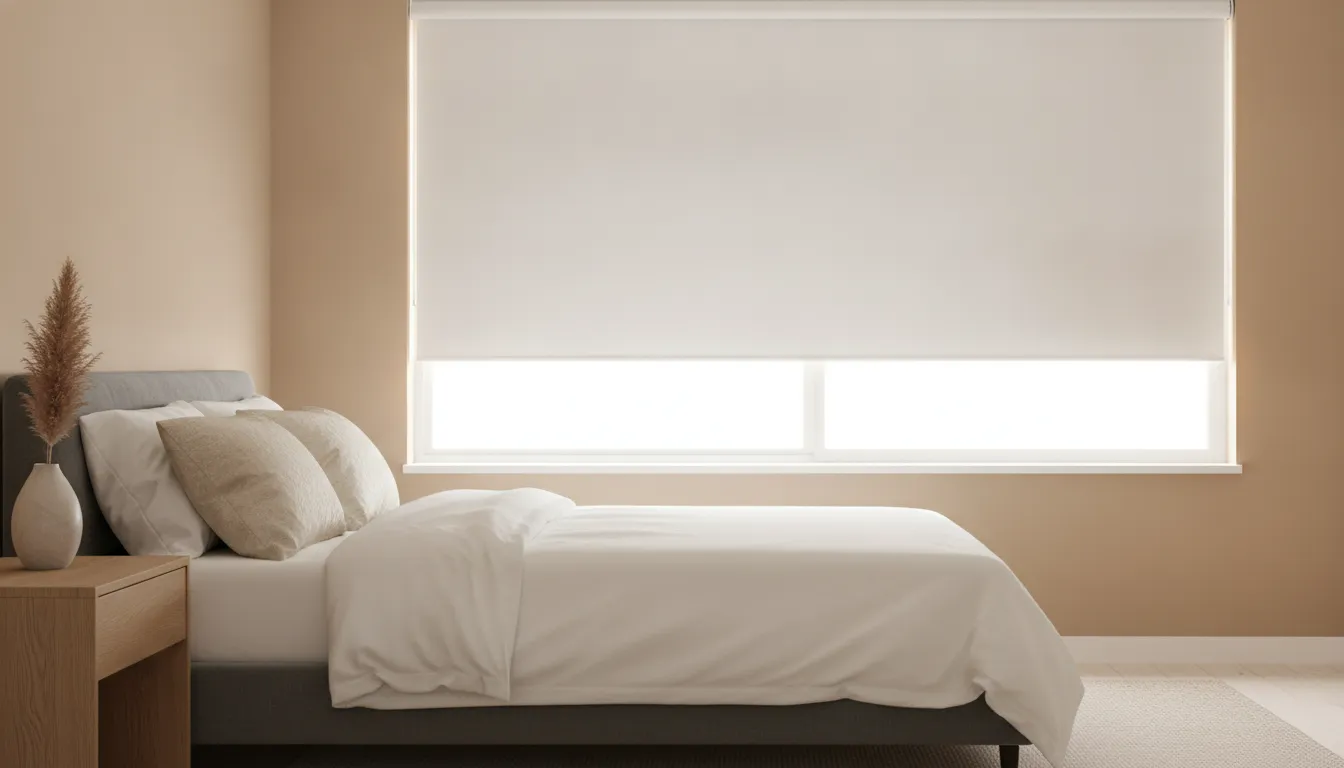
The motor controls movement; it does not change the fabric’s properties. Decide what you need the shade to do during the day and at night. Light-filtering fabrics soften daylight while preserving some brightness. Room-darkening fabrics reduce incoming light more strongly, but edge gaps and mounting affect the result. Blackout or room-darkening fabric should not be assumed to block heat by itself; light control and insulation are separate considerations.
Think about the room’s use. A living room may need adjustable glare control without making the space feel dark. A bedroom may call for more light reduction, particularly if streetlights or early morning sun are a concern. In a room with a screen, consider how the sun’s direction changes during the day. Sample fabrics in the room if possible, and compare them with the window’s natural light.
For large glass areas, fabric choice and consistent operation matter together. Vineyard’s motorized roller shade options can be considered alongside other custom window covering types. A consultant can help compare styles, but your preferred balance of privacy, light, and appearance should guide the decision.
What safety and setup details should you ask about?
Ask how the motor and control will be installed, how the remote will be paired, and what steps are needed if a control stops responding. If there are children or pets in the home, discuss the operating system and cord exposure as part of the selection. Federal safety standards address operating cords on custom window coverings, but requirements can depend on the product and installation; review applicable details with the provider. See the federal safety standard for operating cords on custom window coverings.
At the consultation, useful questions include:
- Does this shade operate from a remote, wall control, app, or more than one method?
- Can it be controlled individually and as part of a group?
- What power source does the selected motor use?
- How will the control be paired, and who can show me how to use it?
- What care, charging, or maintenance should I plan for?
- What happens if the home’s network or smart-home system is unavailable?
Vineyard serves customers in San Diego County, Riverside County, and Orange County. Its service-area page lists coverage, and you can review the company’s frequently asked questions before arranging a visit. The mobile showroom lets you compare samples at home; Vineyard also offers free measurements and free installation.
How can you plan controls by room?
Start with the windows you adjust most, rather than assuming every room needs the same configuration. In an open living area, a group control can be convenient if several shades usually move together. If the room has different exposures or windows with separate uses, individual channels may provide more flexibility. Decide whether it matters to move all shades at once, make a small adjustment to one window, or do both.
In bedrooms, consider whether the remote will be reachable from the bed and whether more than one person needs to use it. A wall control near an entry can be easier to locate than a handheld remote that may be moved. In a kitchen, think about where the control will be kept and whether the window is near a sink or cooking area. For a window above furniture or a stair landing, motorization may help with access, but confirm that the shade can be measured and installed for that opening.
These are planning prompts, not a requirement to motorize every window. A mixed approach can make sense: use remote operation in the hardest-to-reach or most frequently adjusted locations and choose manual treatments elsewhere. Compare the look of the selected shades across adjoining windows so the rooms feel coordinated even if their controls differ.
For instance, you might motorize a high window and the main living-room shades while leaving an easily reached powder-room shade manual. This lets you focus the added control where it solves a real inconvenience. When comparing proposals, make a quick room-by-room note of the expected control method, power source, and fabric; that simple list makes differences easier to spot than a general description such as “smart shades.”
What should you prepare for a shade consultation?
A few observations can make a product discussion more useful. Note which windows face strong afternoon sun, where glare appears on screens, and when you want privacy. Think about whether you prefer a softly filtered room or a darker setting, and whether you want the same fabric throughout the home. If you are unsure, describe how the space is used instead of choosing a fabric name in advance.
- List the windows where reaching the shade is difficult or operation is inconvenient.
- Mark which shades you would want to adjust together and which should work independently.
- Make a note of access to power and any concerns about charging or changing batteries.
- Identify trim, handles, furniture, or other obstructions around the window.
- Consider who will use the controls and where a remote or wall control should be available.
- Bring photos or measurements if you have them, while leaving final sizing to professional measurement.
Also ask what is included in the proposal: the shade, motor, controls, setup, measuring, and installation. Confirm the control model and supported features instead of relying on a general description such as “smart” or “automatic.” If app or voice operation matters, have the provider check compatibility with your existing system before you choose. Keep product specifications and instructions for later reference.
To make the discussion concrete, choose one representative window and explain a typical day: when you lower the shade, whether you need to change its position more than once, and whether you want other windows to follow it. Then ask how the proposed controls handle that routine. This gives the installer a practical use case to compare against product capabilities. If you are weighing battery and wired options, ask what preparation is needed and whether any work must happen before installation day.
When is a remote-controlled shade the right choice?
A remote-controlled shade is worth considering when manual operation is awkward, multiple shades are used often, or convenience is a priority. It may be less important for a small, easy-to-reach window that is rarely adjusted. Consider the entire setup rather than the control alone: shade style, fabric, power, mounting, and how you will operate it.
Make a short list before requesting a quote: which windows matter most, when you adjust them, whether you want individual or group control, and what light or privacy outcome you prefer. Photos of the windows and notes about furniture or nearby outlets can help make the conversation specific. Vineyard provides free in-home consultations, measurements, and installation so you can review options and fit before making a decision.
Call Vineyard Blind & Shutter at (951) 757-4188 to compare remote-controlled shade options.
Frequently Asked Questions
Can one remote control several shades?
Many systems can assign shades to groups or separate channels, but the exact setup depends on the motor and remote. Ask whether you can operate shades individually as well as together.
Do remote-controlled shades need Wi-Fi?
A basic handheld remote may work without a home Wi-Fi connection. App control or smart-home features may require additional compatible equipment or network access, so confirm what the selected system needs.
Are motorized shades a good fit for every window?
Not necessarily. Window size, shape, mounting depth, power access, and how often you use the shade all matter. A custom measurement and product discussion can identify practical choices for each opening.
Does a remote-controlled shade automatically block heat?
No. The remote operates the shade; it does not determine thermal performance. Review the fabric and documented product specifications separately, and do not assume a darkening fabric provides a quantified heat reduction.
Comparing controls, power, fit, and fabric together makes it easier to choose a remote-controlled shade system that suits your windows and daily routine.