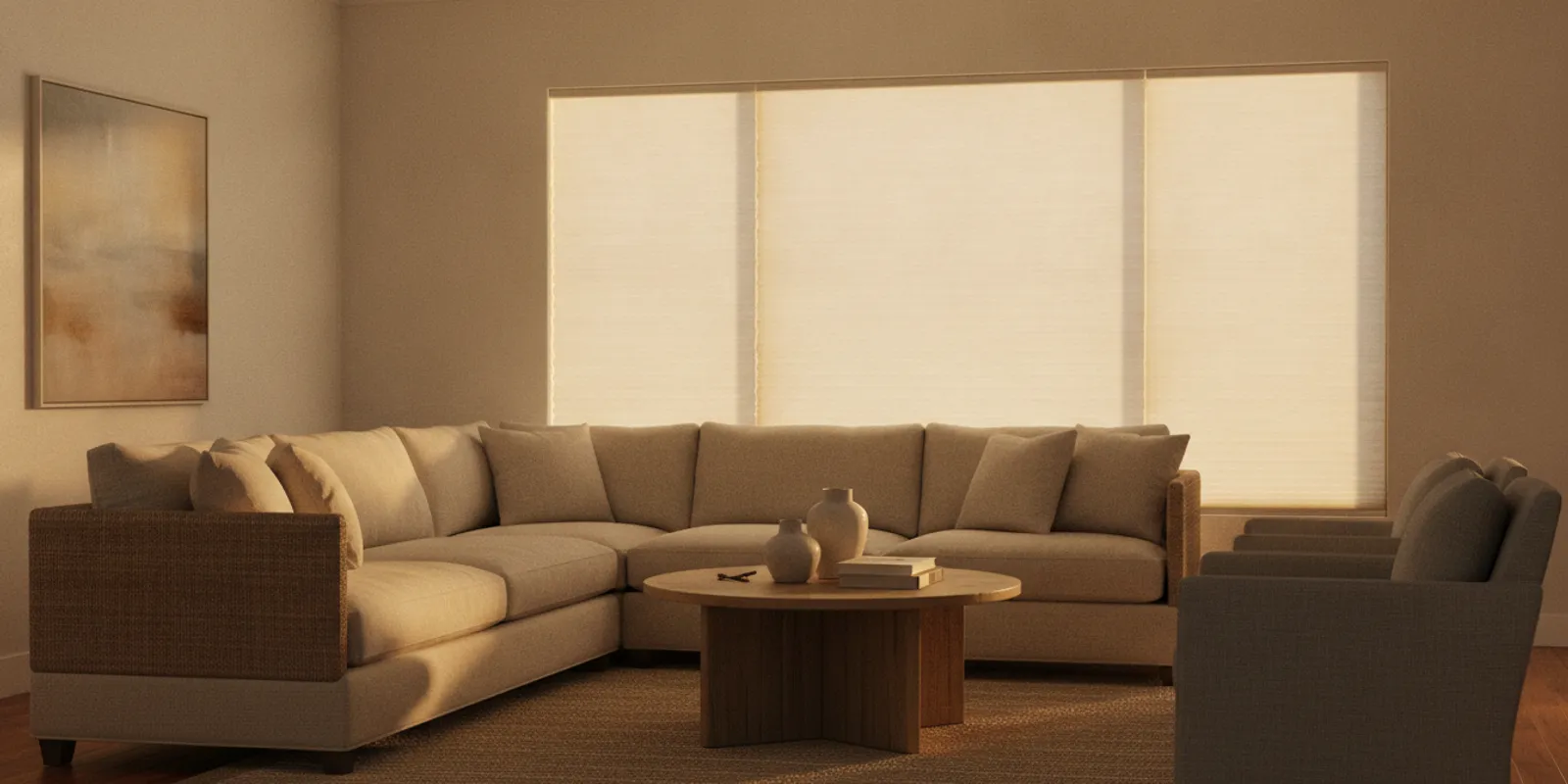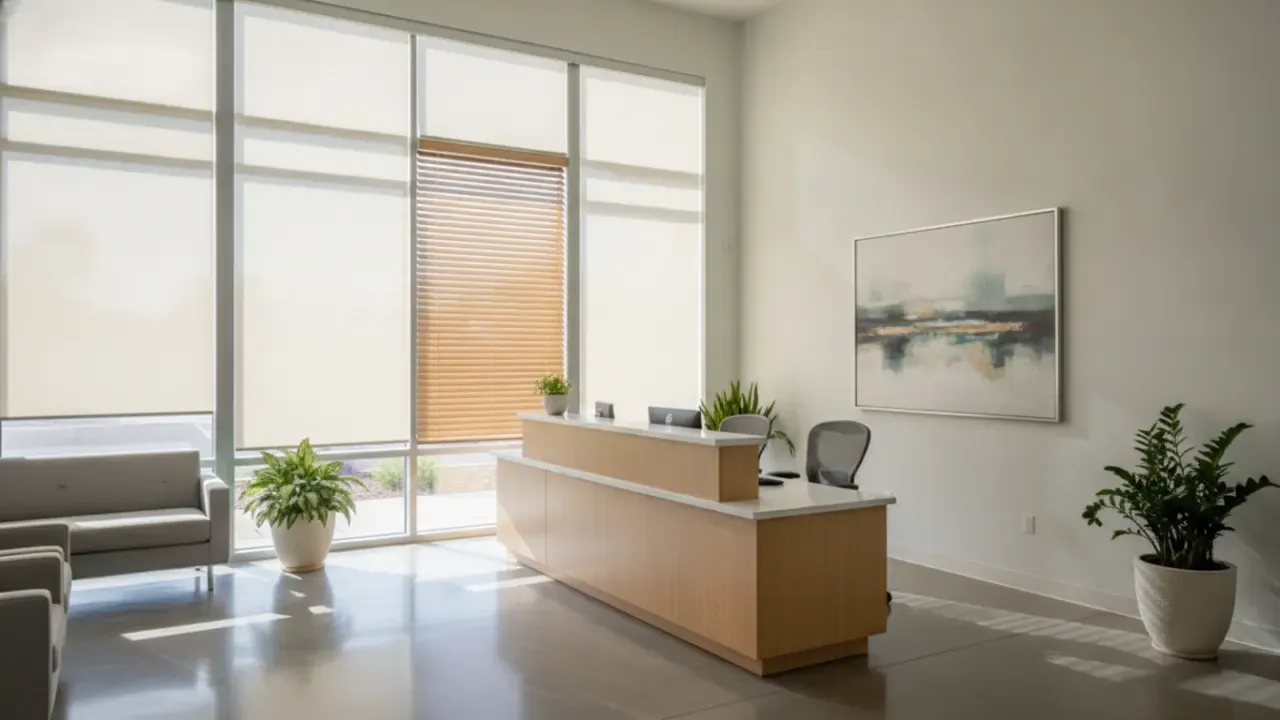
Buying new blinds or shutters can feel like a straightforward design decision. But the details affect daily comfort, privacy, safety, and how well the finished treatment fits your home. A window that looks identical to the one beside it may still have slightly different dimensions. A fabric that looks attractive online may perform poorly in a kitchen, bedroom, or sunny living room.
Call Vineyard Blind & Shutter at (951) 757-4188 for a free consultation and avoid these common mistakes.
The most common mistakes buying blinds shutters include measuring each window incorrectly, choosing style before function, picking the wrong material for each room. Overlooking cord safety, ignoring energy performance, skipping professional installation, and ordering without seeing samples in your home's lighting. Avoiding these seven errors saves time, money, and frustration.
Vineyard Blind & Shutter helps Southern California homeowners avoid these problems with a mobile showroom, professional measuring, and installation included with every purchase. Here is a quick summary of the seven common mistakes:
- Measuring your windows incorrectly.
- Choosing style over light control and privacy.
- Picking the wrong material for the room.
- Overlooking cord safety.
- Ignoring energy efficiency.
- Skipping professional installation.
- Buying without seeing samples in your home.
These mistakes are easy to avoid. The first safeguard is precise measurement. Even a small error can affect the fit, operation, and appearance of a custom treatment.
Common Mistakes Buying Blinds Shutters: What Is the Biggest Measuring Mistake?
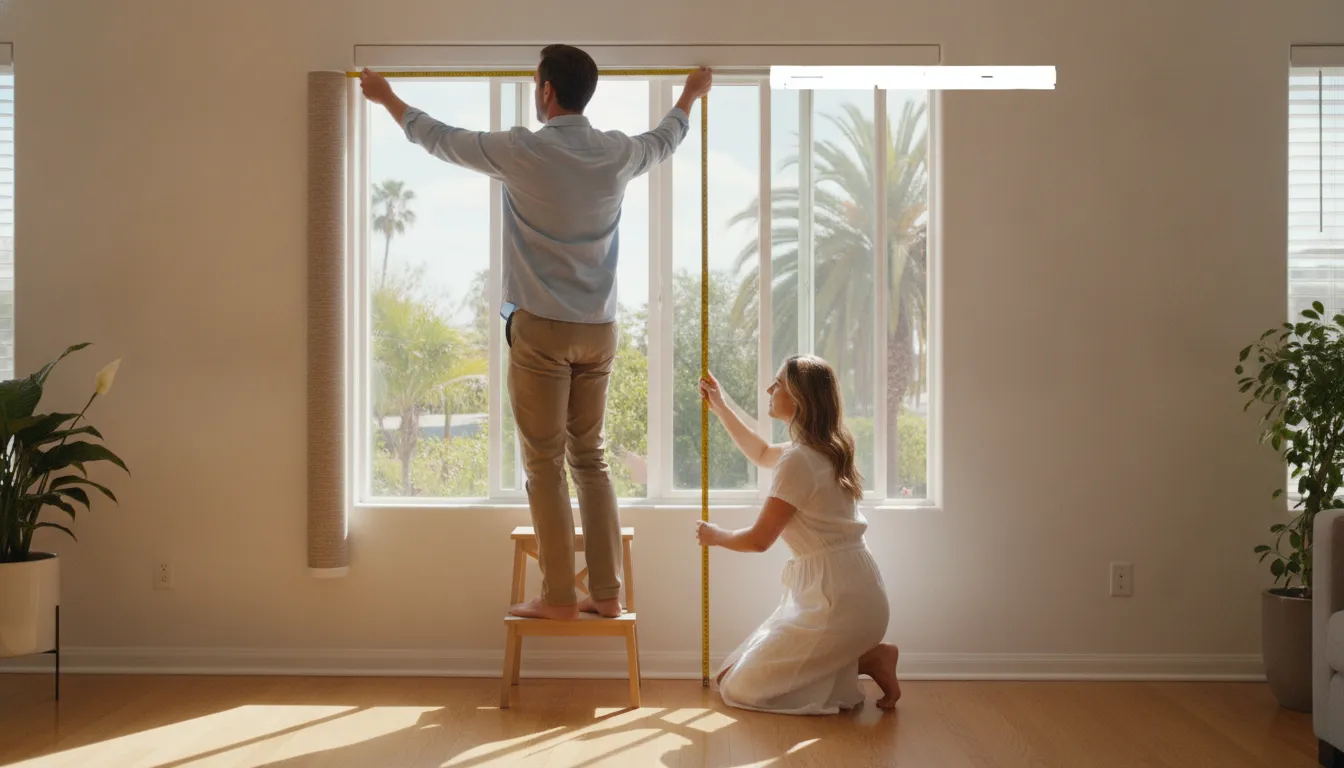
Incorrect measuring is the most common mistake homeowners make when buying blinds or shutters. A window treatment is not sized from a quick glance at the glass. The order depends on the opening, frame, trim, mounting style, and the space available for the hardware. A difference of a fraction of an inch can affect whether the treatment operates smoothly, blocks enough light, and sits squarely in the opening.
Q: What is the biggest mistake when measuring windows for blinds? A: Assuming identical windows share the same dimensions and choosing inside or outside mount without checking frame depth. Every window needs its own precise measurement, including frame depth, squareness, and trim clearance.
Inside mount or outside mount?
An inside mount fits within the window frame and creates a clean, built-in appearance. It requires enough frame depth for the brackets and treatment. The visible opening, obstructions, and depth all need to be checked. An outside mount attaches over the frame. It can provide more coverage, help conceal uneven trim, and work better when the frame is too shallow for an inside mount. Choosing the wrong mount can leave unwanted gaps or make the treatment interfere with handles, locks, or nearby trim.
Frame depth is especially easy to overlook. The measurement must account for the product's headrail, brackets, louvers, or other operating parts, not simply the depth of the recess. This is one reason a measuring guide cannot replace an assessment of the actual window. For more planning guidance, review these custom blinds measuring tips before your consultation.
Why every window needs its own measurement
Windows that look identical are not necessarily identical. Small variations in width, height, squareness, frame depth, or trim can occur from one opening to the next. Measuring one window and repeating those numbers across a room can create a series of mismatched treatments. Professionals measure precisely, and often repeatedly, because they know each opening can have details that a standard measurement misses.
That precision matters even more with custom products. Custom window treatments often cannot be returned when they do not fit, leaving the homeowner responsible for an expensive error. Vineyard Blind & Shutter removes that risk with free professional measuring as part of its in-home service. A specialist evaluates each opening, confirms the appropriate mount, and accounts for frame depth before the order is placed. You can also see products in your own lighting through Vineyard's mobile showroom, rather than guessing from a tape measure and an online image.
Sources: measuring and custom-order guidance and mounting guidance from NC State Extension.
How Can You Avoid Choosing Style Over Light Control?
A window treatment can look perfect in a sample photo and still feel wrong in daily use. A dramatic shade may soften a living room, but if it leaves afternoon glare on the television, the design choice becomes a frustration. Selecting treatments purely for appearance, without considering light control, privacy, and room function, often leads to poor satisfaction. Room-specific planning matters because a bedroom, kitchen, and living room each place different demands on the window.
Q: How can you avoid choosing style over light control? A: Start by evaluating each room's needs at different times of day, then match the treatment type and opacity to those activities. Adjustable blinds, proper louver sizes, and top-down/bottom-up shades give you flexible control without sacrificing appearance.
Match the treatment to the room
Bedrooms often need stronger privacy and light reduction, especially for street-facing windows or light-sensitive sleepers. A kitchen usually benefits from useful daylight and adjustable privacy rather than a full blackout effect. In a living room, you may want to reduce glare while preserving a view and maintaining a comfortable, open feeling. Start by asking what the room needs at different times of day, then choose the product and opacity that support those activities.
Blinds with adjustable slats or vanes can give you more control over direction and intensity. For a broader range of choices, review Vineyard's light control blinds and shade selection, then compare how each option handles direct sun, nighttime privacy, and the view outside.
Consider shutter louver size
With plantation shutters, louver size affects both light intake and view-through capability when the louvers are tilted or closed. The common 2.5-inch, 3.5-inch, and 4.5-inch options create different visual and functional results. Smaller 2.5-inch louvers provide more slat lines and can offer a traditional appearance with more opportunities to adjust light. The 3.5-inch size offers a balanced look and control. Larger 4.5-inch louvers create a cleaner, more open sightline when open and can admit more light. But they may not be the best fit for every window or privacy goal. The right choice depends on the window's orientation, height, view, and how much coverage you want. Louver size directly influences light and view.
Use flexible privacy features
Top-down/bottom-up shades are useful when you want daylight without exposing the entire window. You can lower the shade from the top for natural light while keeping the lower portion covered. Or raise it from the bottom when the view matters. This two-direction adjustment provides versatile privacy and light control throughout the day. Explore additional options on the shades page to compare fabric types and opacity levels.
Vineyard Blind & Shutter's free in-home consultation brings samples and expertise into the actual rooms being treated. A specialist can evaluate each window's exposure and recommend room-specific solutions, so the finished result looks right and works right.
What Is the Best Material for Blinds in Bathrooms and Kitchens?
A window treatment can look perfect in a showroom and still be a poor fit for the room where it will be installed. Moisture, cleaning demands, sunlight, and the amount of daily use all affect how a material performs. The right choice is not always the most expensive one. It is the material that matches the environment.
Q: What is the best material for blinds in bathrooms and kitchens? A: Faux wood blinds are the top choice for high-moisture areas because they resist warping and humidity while delivering the appearance of real wood. Polycore shutters with an aluminum core are an excellent alternative for moisture-prone rooms.
| Material | Best fit | Why it works | Considerations |
|---|---|---|---|
| Faux wood blinds | Bathrooms and kitchens | Resist moisture and deliver the look of painted wood. | A practical choice where humidity and frequent cleaning are part of daily life. |
| Natural wood blinds | Living rooms and bedrooms | Bring authentic grain, warmth, and a refined furniture-like appearance. | Keep them away from rooms with persistent humidity or direct moisture exposure. |
| Aluminum blinds | Utility rooms and commercial areas | Lightweight, durable, and rust-resistant in varied conditions. | They prioritize function and easy maintenance over the warmth of real wood. |
| Polycore shutters | High-moisture areas | A PVC exterior with an aluminum core provides a durable structure for demanding environments. | Review the frame, exposure, and operating needs with a professional before selecting the configuration. |
Match the material to the room's demands
Faux wood is often the sensible middle ground for a busy kitchen or bathroom. It provides a classic appearance while resisting the warping concerns associated with moisture. Aluminum is a better fit when durability, low weight, and rust resistance matter more than a residential decorative finish, such as in utility or commercial spaces.
For a living room or bedroom, natural wood can add depth and warmth that coordinates with other furnishings. It also gives you the familiar control of a blind, with horizontal slats that adjust light and privacy. This distinction matters because blinds use slats or vanes, while shades use one continuous layer of fabric, as explained by North Carolina State University Extension: blinds and shades are different window covering types.
Rather than guessing from a screen or a small catalog image, use Vineyard's mobile showroom to compare finishes and textures in your own lighting. Seeing and handling the materials at home makes it easier to choose a treatment that fits both the room's design and its everyday conditions. Check the shutters page for Polycore, stained wood, and composite options available in your area.
Why Is Cord Safety Non-Negotiable for Your Home?
Window coverings are part of your home's safety system, especially when young children or pets can reach the windows. The U.S. Consumer Product Safety Commission warns that cords on window coverings can create strangulation hazards. That makes lift design a practical consideration, not a minor finishing detail.
Q: Why is cord safety non-negotiable for your home? A: The CPSC identifies accessible window-covering cords as a strangulation hazard for children and pets. Cordless lift options, motorization, and proper placement of furniture away from cords are the most effective ways to eliminate this risk.
Identify cord hazards in existing window treatments
Walk through each room and look for looped cords, dangling operating cords, and cords that hang near a crib, bed, sofa, or pet's normal path. Check windows that children can approach by climbing on furniture. Record which treatments need attention. Keep furniture away from accessible cords while you plan a safer replacement.
Understand CPSC safety recommendations
The CPSC's window-covering safety guidance identifies long cords as a serious risk for small children and pets. Use that guidance as a screening standard when comparing products. Ask whether the treatment has an accessible cord, whether a loop can create an entanglement hazard, and how the lift mechanism operates during everyday use.
Choose cordless lift options
Cordless shades and blinds remove dangling operating cords from the design. Cordless lift options are standard or available on most Vineyard product lines, so families can prioritize a cleaner, safer setup without giving up style or light control. For a durable option, review cordless plantation shutters alongside cordless shades and blinds.
Consider motorization as the ultimate safety upgrade
Motorized treatments eliminate the need for manual lift cords and can be especially useful for high windows or rooms with several coverings. They can also support smart home integration. Motorization is not the only safe choice, but it can combine accessibility, convenience, and a cord-free design.
Confirm safety features with a professional consultation
Bring your room layout, window locations, and household needs into a free professional consultation. A specialist can identify reachable hazards, explain cordless and motorized configurations, and confirm that the selected hardware fits each opening. Vineyard's mobile showroom makes it possible to compare products in your actual home, so the final choice supports both safety and daily use.
How Do Cellular Shades Improve Home Energy Efficiency?
Window treatments do more than manage glare and privacy. They can also create another layer between your interior and the outdoor temperature. That matters in Southern California, where strong summer sun can push heat through exposed glass, while winter nights still make poorly insulated windows feel cold.
Q: How do cellular shades improve home energy efficiency? A: Cellular (honeycomb) shades trap air in their fabric pockets, creating an insulating barrier that reduces heat transfer through the window. Plantation shutters provide a second approach with a solid frame and adjustable louvers that block solar exposure when closed.
How do cellular shades improve insulation?
Cellular, or honeycomb, shades are designed with pockets that trap air. That honeycomb structure creates an insulating thermal barrier that helps minimize heat transfer through the window, making them one of the most effective energy-efficient window-covering options available. In practical terms, the right cellular shade can help keep summer heat out during the day and retain indoor warmth when temperatures drop.
Vineyard Blind & Shutter's product information indicates that honeycomb shades may reduce air loss through windows by up to 62%. Actual performance depends on the window, shade configuration, installation, and how consistently the treatment is used. But the design makes cellular shades a strong choice for energy-conscious homeowners. Explore energy-efficient cellular shades to compare available styles and light-control options.
Why should you consider plantation shutters?
Plantation shutters provide a different kind of energy-efficiency solution. Their solid frame and adjustable louvers form a permanent architectural barrier over the window rather than a soft treatment that is raised and lowered. When closed, well-fitted shutters can help limit direct solar exposure and reduce the amount of conditioned air exchanged at the glass. They are especially useful when you want a durable treatment that combines insulation, privacy, and precise light control.
The best choice depends on your windows, room orientation, existing glass, and daily routine. A west-facing room may benefit from stronger solar control, while a bedroom may need insulation alongside room-darkening performance. Vineyard's mobile showroom brings energy-efficient shades and shutters to your home. So you can compare options side by side in the actual light and temperature conditions of each room.
What Are the Risks of Skipping Professional Installation?
A window treatment can look simple until it has to carry its own weight, clear the window correctly, and operate smoothly every day. A do-it-yourself installation may save time on paper, but a small mistake can leave the treatment crooked, loose, or difficult to use. Missing hardware, incorrect brackets, and poor alignment can turn a custom purchase into a repair project.
Q: What are the risks of skipping professional installation? A: DIY installation risks crooked alignment, incorrect anchoring, voided warranties, and damage to trim or drywall. Heavy plantation shutters require proper stud anchoring that drywall anchors cannot provide. Custom treatments may not be returnable if installed incorrectly.
Heavy shutters need more than drywall anchors
Plantation shutters are especially unforgiving because their frames and panels can be substantially heavier than lightweight blinds. Proper installation means identifying the framing and anchoring the shutter securely into studs rather than relying only on drywall. This helps protect the window surround and supports safe, stable operation over time. The correct wall supports and mounting hardware depend on the product, window construction, and mounting position.
Skipping one part or using the wrong fastener can affect both appearance and security. A frame that is slightly out of square may create uneven gaps, binding panels, or louvers that do not close cleanly. Those issues are much harder to correct after holes have been drilled and a custom treatment has been fitted. For a closer look at the tradeoffs, review this guide to professional plantation shutter installation vs DIY.
Precision starts before the drill comes out
Professional installers measure precisely, and then check those measurements again because every window can have small differences. They assess the frame, depth, level, plumb, and the best mounting position before selecting hardware. That preparation reduces the guesswork that often causes alignment problems in DIY projects.
There is also a financial risk. Custom window treatments may not be returnable when a homeowner's measurements are wrong. An installation error can mean replacement materials, new labor, or damage to trim and drywall. Warranty coverage may also be harder to navigate when a product has been incorrectly mounted.
Vineyard Blind & Shutter includes free professional installation with licensed technicians. The team handles the measuring, brackets, wall supports, anchoring, and final operating check, so your treatment is fitted for the window rather than forced into place. That service is a practical safeguard, not an unnecessary upgrade. Schedule your free in-home consultation by calling (951) 757-4188 today.
Why Should You See Blind and Shutter Samples at Home Before Ordering?
A window treatment can look perfect online or in a showroom and still feel completely wrong once it is installed. Store lighting is designed to make products easy to see, while your home may have warm bulbs, cool daylight, strong afternoon sun, or a mix of all three. Colors seen in a store can differ significantly from how they appear in a home's actual lighting.
Q: Why should you see blind and shutter samples at home before ordering? A: Screen and store lighting cannot replicate your home's actual lighting conditions. A color that looks soft white on a device may appear gray or cream in your room. Seeing physical samples in the morning, afternoon, and evening light of each room prevents costly color and texture mismatches.
Why screens and displays can mislead you
Online product images are useful for narrowing down styles. But a screen cannot reliably reproduce the true color, texture, or finish of a fabric, slat, or shutter material. Brightness settings, device calibration, and room lighting all affect what you see. A soft white may appear gray on one device and cream on another. A textured fabric may look smooth in a photograph, while a glossy finish may reflect more light than you expected.
The same issue applies to large store displays. A sample shown under retail lighting does not tell you how it will coordinate with your flooring, wall color, trim, furniture, or the sunlight entering a particular room. This matters even more when ordering custom window treatments, because the decision represents a significant investment and the finished products are made for your windows. North Carolina State University's guidance on evaluating blinds and shades explains this color discrepancy well.
Compare samples where they will actually be used
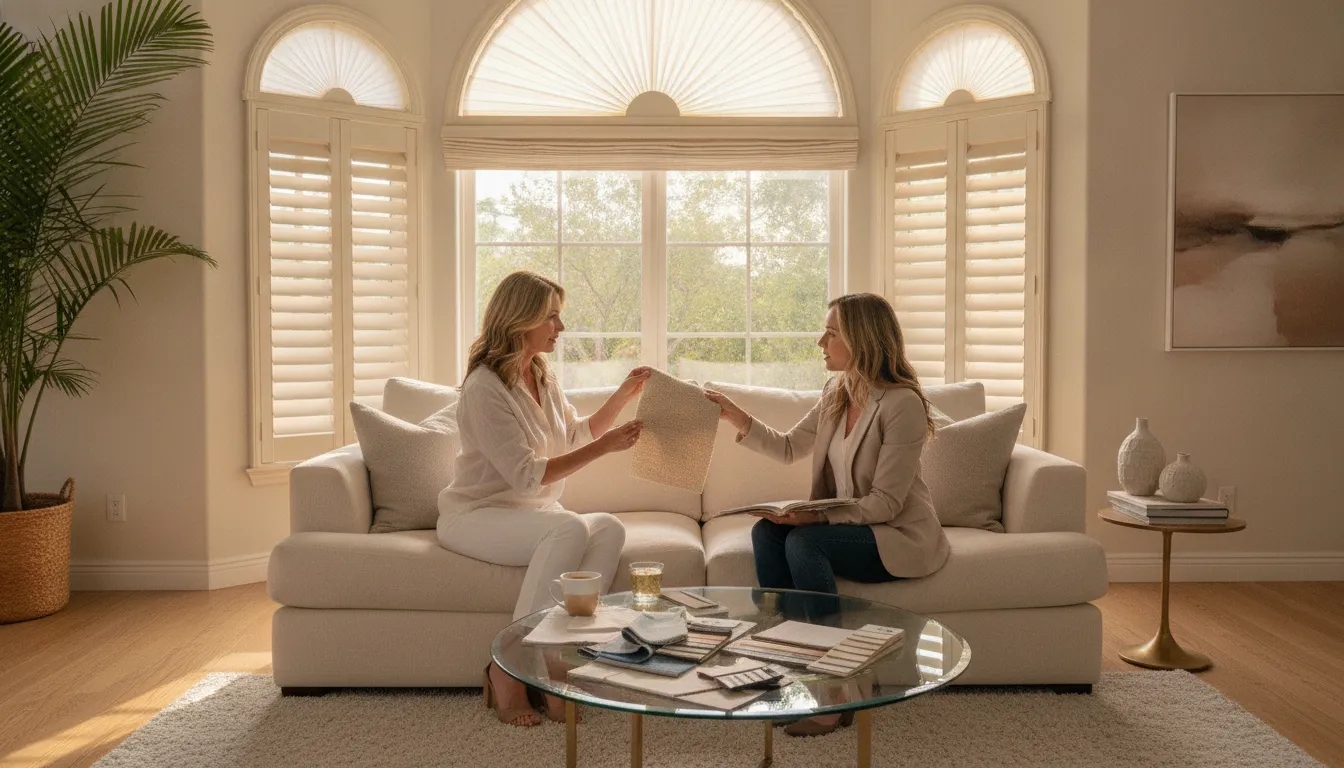
The most reliable approach is to view physical samples in the rooms they will serve. Look at them in the morning, afternoon, and evening if possible. Check the material beside your trim and furniture, then view it with the treatment open and closed. You can also compare texture and opacity directly instead of trying to infer those qualities from a screen.
Vineyard Blind & Shutter's mobile showroom brings complete product displays to your home. Rather than carrying small swatches back from a store, you see full-size samples in your own window. Beside your existing decor, and under the lighting conditions that will be present every day. That is the most reliable way to avoid costly color and texture mismatches. Learn more about the Vineyard Blind & Shutter difference and the mobile showroom approach.
Frequently Asked Questions
Your Next Step: Get Professional Guidance and Avoid Costly Mistakes
The difference between a window treatment you enjoy and one you regret often comes down to the decisions made before the purchase. Correct measuring, the right material for each room, cordless safety features, energy-efficient options, professional installation. And seeing samples in your own home all contribute to a result that looks right, works right, and lasts.
Vineyard Blind & Shutter has served Southern California homeowners for over 20 years with a mobile showroom model that brings products directly to your home. Every purchase includes free professional measuring and installation. The company serves Riverside County, San Diego County, and Orange County with competitive pricing, a price match guarantee, and discounts for military, seniors, and law enforcement.
Ready to get started? Call (951) 757-4188 to schedule your free in-home consultation today.