A few extra minutes with a tape measure can prevent blinds that bind, leave uneven gaps, or fail to fit the window at all. The key is to measure the opening more than once, record measurements in the right order, and decide whether the treatment will sit inside the frame or over it.
Q: How do I measure windows for blinds? Use a steel tape measure and record the width at the top, middle, and bottom, then use the narrowest measurement. Measure height at the left, center, and right, use the longest measurement, and record each result to the nearest 1/8 inch.
This guide walks through the tools, inside-mount and outside-mount steps, common mistakes, and situations where professional measuring makes more sense.
What Tools Do You Need to Measure Windows for Blinds?
Accurate measurements start with a few simple tools. Gather everything before you begin so you can record each dimension immediately and avoid relying on memory later.
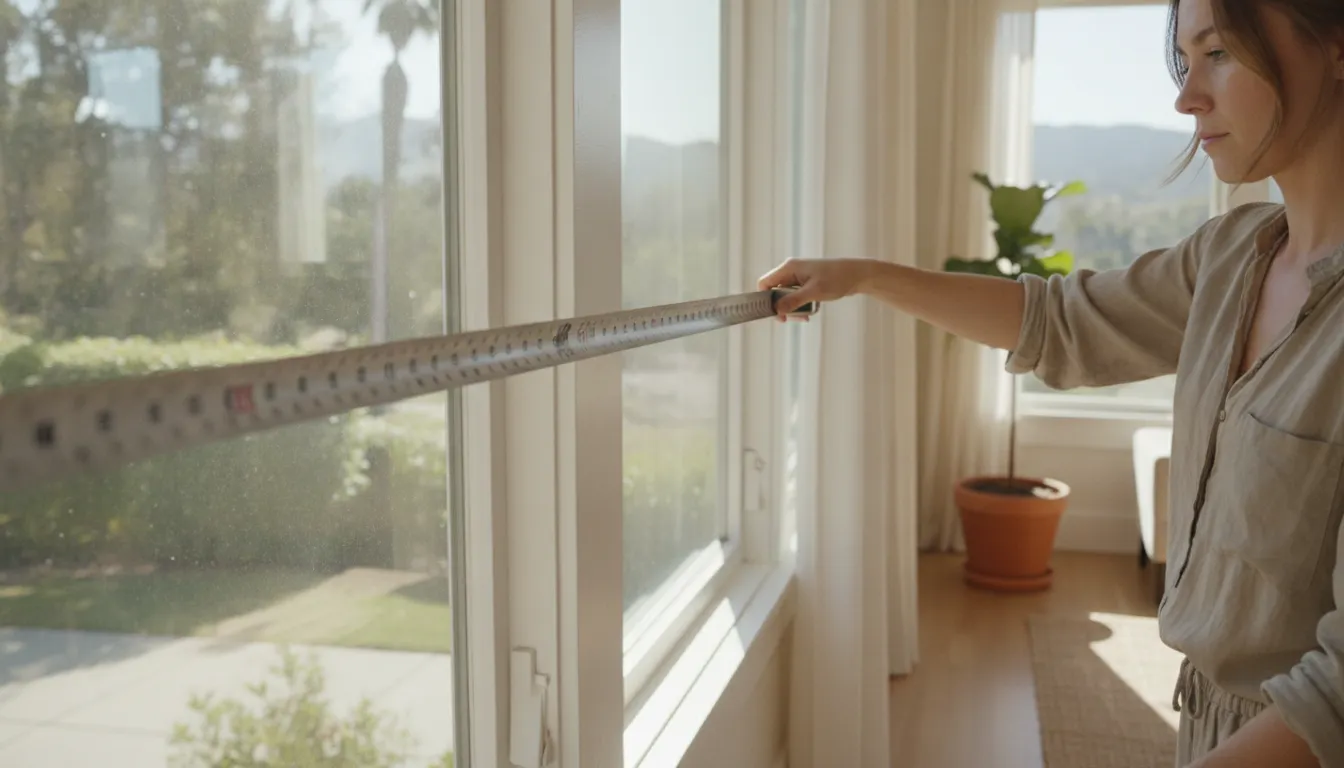
- Steel tape measure: Use a rigid steel tape, not a cloth measuring tape. Steel provides a stable edge and does not stretch, which helps you capture the narrow differences that can affect how a blind fits.
- Pencil: Use it to make clear notes and quick corrections as you recheck a measurement.
- Notepad or measuring worksheet: Record the room, window location, mount type, width, height, and depth for every opening.
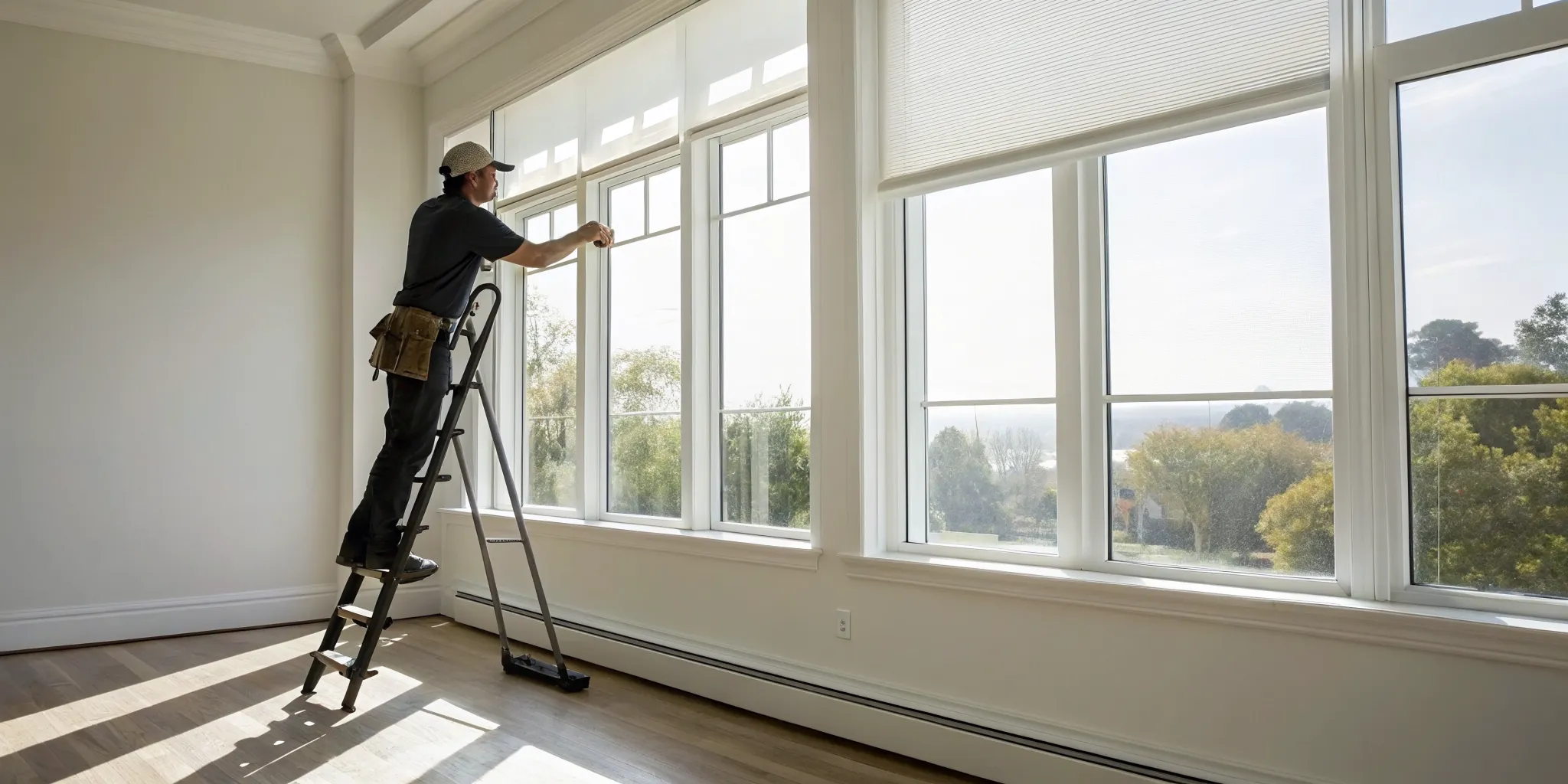
- Step ladder: Use a stable ladder when the top of a frame is out of reach. Do not stretch from a chair while holding the tape.
Check the frame depth before choosing an inside mount
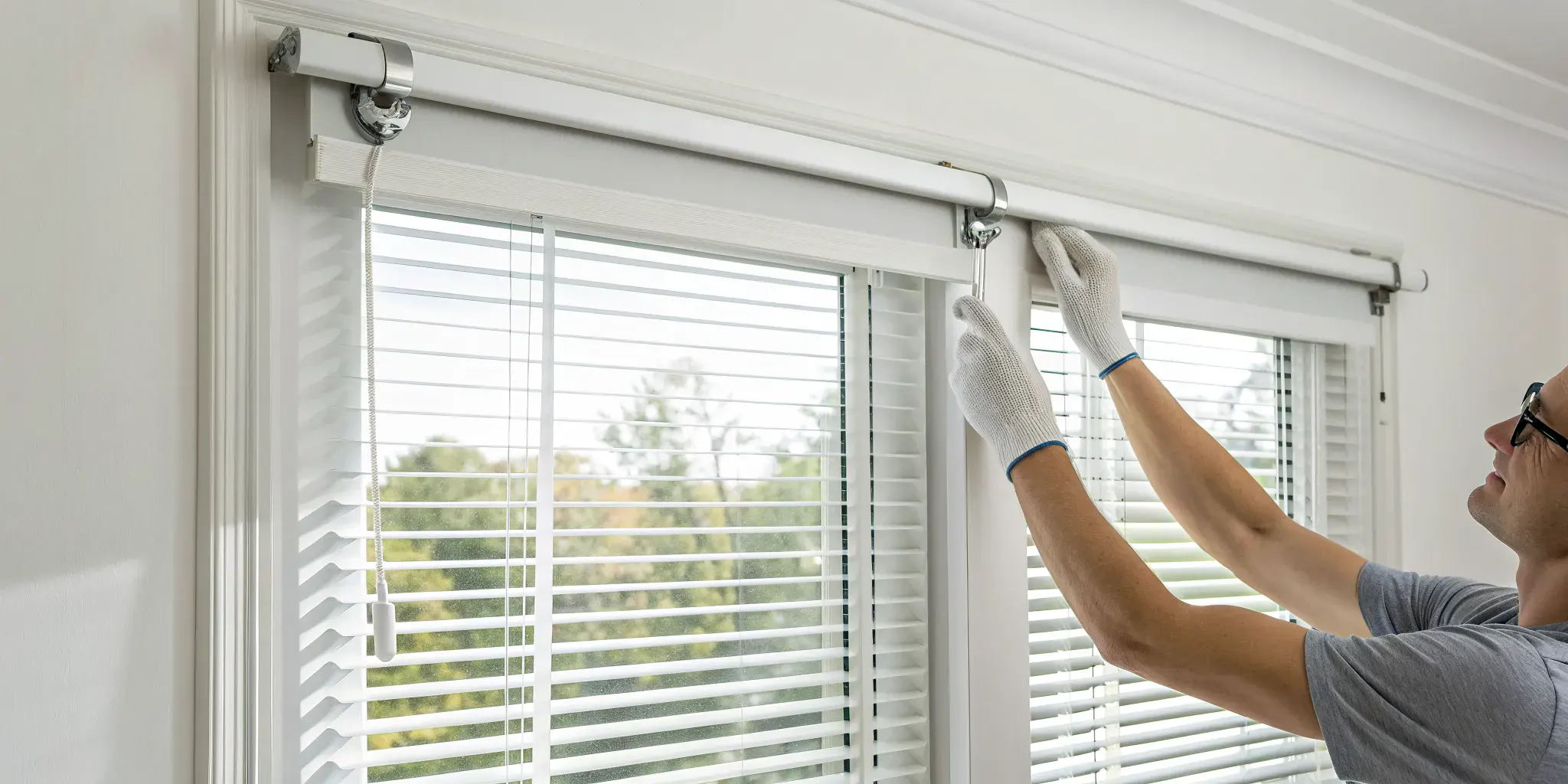
If you plan to install blinds inside the window frame, check the available depth before taking final measurements. Measure from the front edge of the frame toward the glass and look for handles, locks, trim, or other hardware that could interfere with the headrail or slats. Product depth requirements vary, so compare your measurement with the specifications for the treatment you want.
A shallow or obstructed frame does not mean you cannot install a window treatment. It may mean an outside mount or a different style is more suitable. Vineyard Blind & Shutter can help you compare custom blinds based on your window's actual dimensions and layout.
Record measurements carefully
Keep your notes consistent. Write measurements in inches and fractions rather than estimating. Measure each opening independently, even when several windows look identical, and label every number by room and window.
How to Measure for Inside Mount Blinds (Step-by-Step)
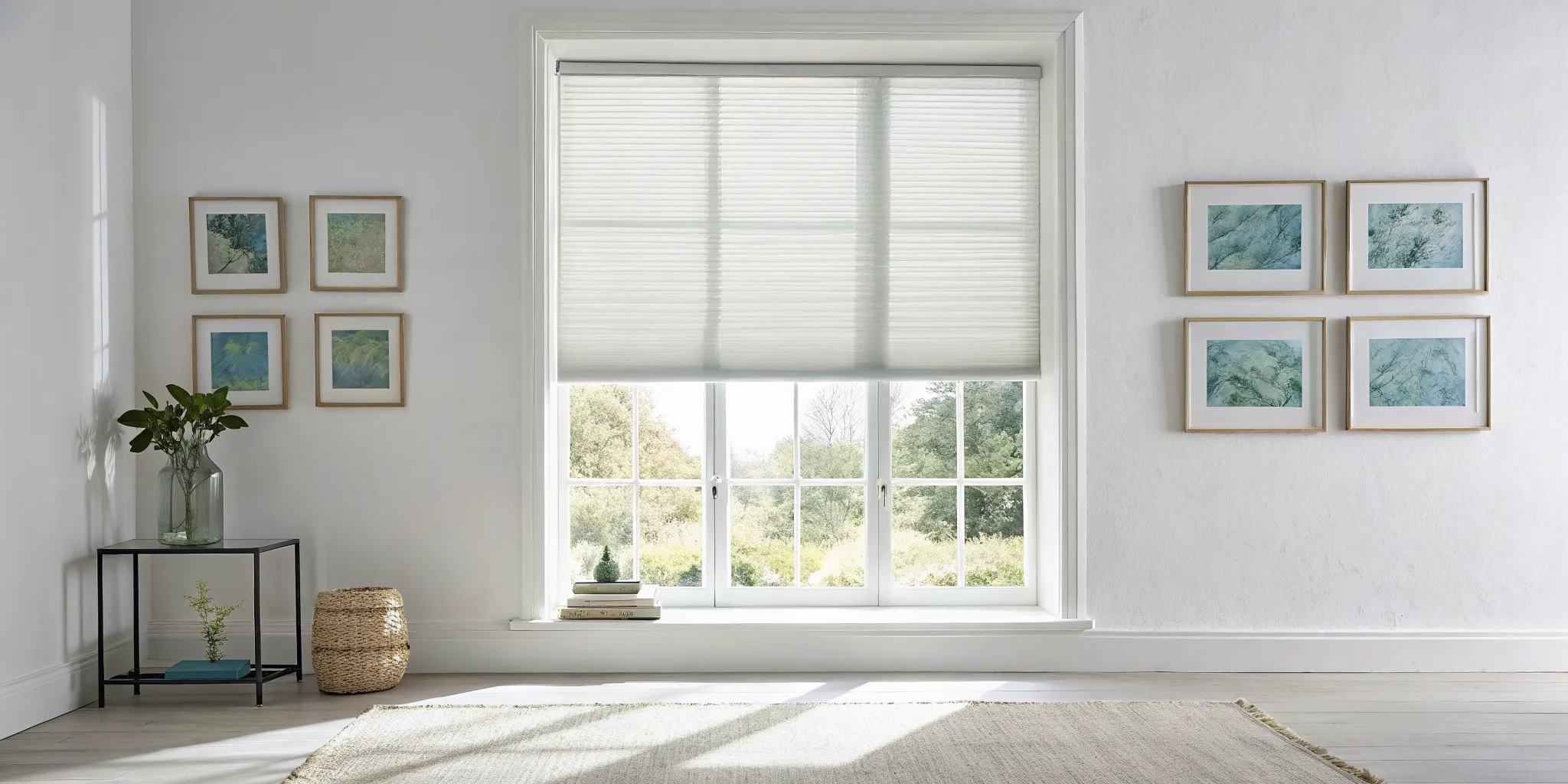
Inside mount blinds fit within the window opening, creating a clean, built-in appearance that leaves decorative trim visible. Before ordering, confirm the opening is suitable and record measurements carefully. Small differences between the top and bottom of a frame can affect whether the blind operates smoothly.
Confirm the mounting depth
Measure from the front edge of the inside frame back toward the glass. Check the product specifications for the headrail and mounting hardware before you order. If the frame is too shallow, choose an outside mount instead. You can compare window shades and other custom treatments before finalizing the mount.
Measure the inside width three times
Place the end of a steel tape measure against the inside left edge of the frame and measure straight across to the inside right edge. Take a separate measurement at the top, middle, and bottom. Record all three and use the narrowest width when ordering, which helps prevent the blind from binding inside the opening.
Measure the inside height at three points
Measure from the top inside edge of the frame down to the sill or bottom inside edge. Take measurements on the left side, center, and right side. Use the longest height measurement so the blind covers the full opening without leaving an unintended gap.
Check the opening before submitting the order
Confirm every dimension is in inches and fractions, not decimals. Make sure you measured the window opening itself rather than the visible glass, exterior trim, or an existing blind. Check that handles, locks, and other hardware will not interfere with operation. For noticeably uneven openings, get professional advice before choosing an inside mount.
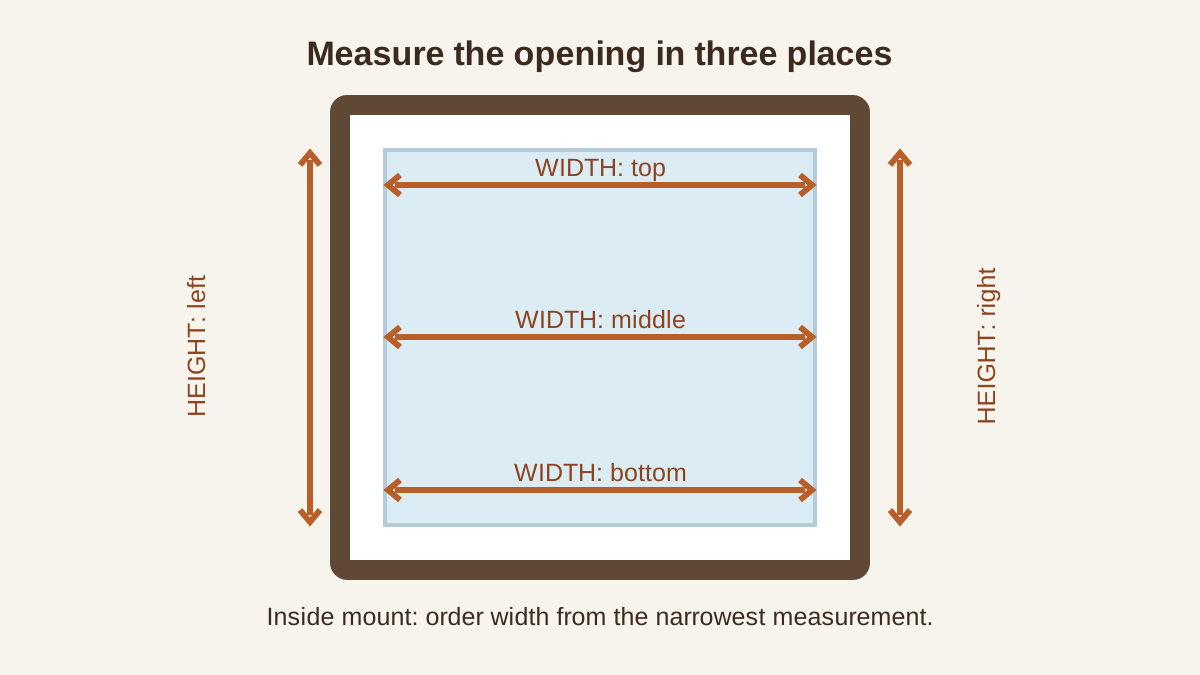
These steps are a reliable starting point for measuring inside mount blinds. A professional measurement can remove uncertainty when the frame is shallow, unusually shaped, or out of square.
How to Measure for Outside Mount Blinds (Step-by-Step)
Outside mount blinds sit on the wall or window trim rather than inside the opening. This approach can work well when the frame is too shallow for an inside mount, the window is not square, or you want to reduce light around the edges. The goal is to measure the complete area the blind needs to cover, not only the glass.
Choose the mounting location
Decide exactly where the headrail will sit and where the blind should end. Check that the planned mounting surface is flat, solid, and clear of handles, locks, molding, and nearby obstructions. This starting location determines the height measurement.
Measure the full coverage width
Measure horizontally from the left edge of the area you want covered to the right edge. Include the entire opening, trim, or wall area you selected. Extend the treatment beyond the window on both sides to reduce light gaps, provided the surrounding wall and hardware allow it.
Measure the finished height
Measure vertically from the top mounting location down to the exact point where you want the blind to finish. This may be the bottom of the trim, the sill, or a lower point on the wall. Do not measure only the glass unless the blind is intended to stop there.
Check the surrounding space
Compare the opening and trim from several points and look for sloping lines or noticeable differences. A non-square window can make an inside mount bind or leave uneven gaps, while an outside mount can cover those irregularities more cleanly. Confirm that the planned width and height will not interfere with window operation, adjacent windows, doors, or nearby walls.
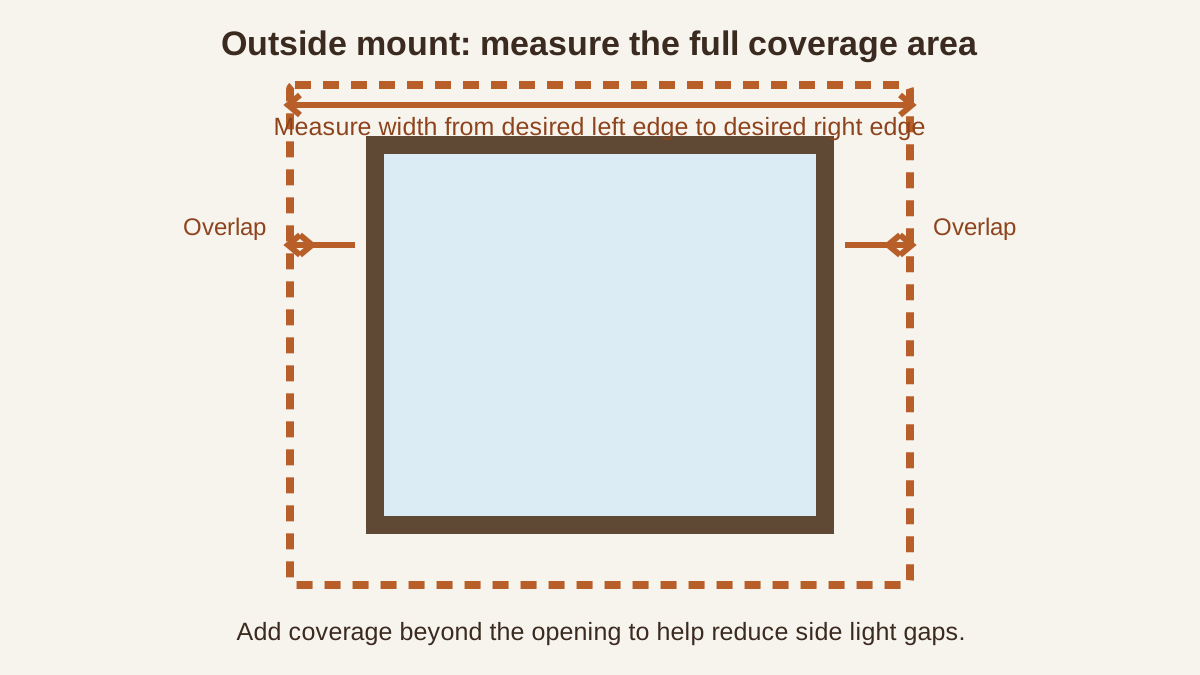
Measurement tip: Keep the original numbers rather than rounding casually. Follow the product manufacturer's instructions for any deductions, because many suppliers make their own adjustments for inside-mounted products.
Common Window Measuring Mistakes to Avoid
Small measuring errors can create big installation problems, especially when a blind is ordered to fit a narrow inside opening. Watch for these common mistakes before submitting your measurements.
Measuring in only one place
Window openings are not always perfectly uniform. Measure inside width at the top, middle, and bottom, then record the narrowest result. Measure height at the left, center, and right. Using one measurement can leave a blind too wide to operate or too short to cover the opening properly.
Using a cloth tape measure
Cloth tape can stretch, curl, or sag. Use a rigid steel tape measure and keep it straight across the opening. Read every measurement carefully and record it to the nearest 1/8 inch.
Forgetting the window depth
Width and height are not the only dimensions that matter. Before choosing an inside mount, check frame depth and compare it with the headrail or hardware requirements for your treatment. If the frame is too shallow, an outside mount may be the better option.
Rounding measurements on your own
Do not make deductions unless the product instructions specifically tell you to. Some custom blind suppliers cut inside-mounted products to account for the opening, and subtracting without guidance can create an undersized order.
Ignoring an out-of-square window
Significant differences between your three width or three height readings can signal an uneven frame. An inside-mounted treatment may reveal those variations or bind during operation. An outside mount can provide a more forgiving installation. If you are unsure, read what happens at a professional window measuring appointment before ordering.
When Should You Call a Professional Instead of Measuring DIY?
DIY measurements can help you compare options, but some windows are poor candidates for guesswork. Call a professional when the opening has an arch, circle, angled top, bay configuration, or another complex shape. These windows often need a treatment designed around the shape rather than a standard rectangular order.
Second-story windows are another good reason to skip the ladder. You need a safe, clear view of the frame and consistent measurements at multiple points. Professional measuring is also worthwhile when you are ordering expensive custom blinds, plantation shutters, or shades. A precise fit affects appearance, operation, light control, and installation quality.
What does professional measuring include?
Vineyard Blind & Shutter provides free professional measuring with an in-home consultation. The mobile showroom brings samples to your home, so you can compare color, texture, light filtering, and operation in the rooms where the treatments will be installed. The team can measure unusual openings, recommend the right mount, and handle installation.
Vineyard Blind & Shutter is veteran-owned and family-operated, with more than 20 years of experience. The company serves San Diego, Riverside, and Orange counties. Call (951) 757-4188 to request a free consultation.
Frequently Asked Questions About Measuring Windows for Blinds
Q: How do I measure for inside mount blinds? Measure the inside width at the top, middle, and bottom of the frame, then use the narrowest number. Measure height at the left, center, and right, then use the longest. Record each result to the nearest 1/8 inch and confirm the product's depth requirement.
Q: How do I measure for outside mount blinds? Measure the full width and height of the area you want the treatment to cover, not just the glass opening. Plan for coverage beyond the opening to help reduce side light gaps, then measure from the planned headrail location to the desired bottom point.
Q: Should I choose inside mount or outside mount blinds? Choose inside mount when the window has enough clear depth and you want a clean, built-in look that leaves trim visible. Choose outside mount when depth is limited, the frame is uneven, or you want wider coverage for better light control.
Q: What tools do I need to measure windows for blinds? Use a steel tape measure, pencil, paper or a notes app, and a step stool where needed. A steel tape stays straight and provides more reliable measurements than a flexible cloth tape.
Q: Do I need to make deductions when measuring for blinds? Follow the measuring instructions for the specific product and retailer. Many made-to-measure suppliers make their own inside-mount deductions, so do not subtract measurements unless the instructions specifically tell you to.
Q: When is professional measuring worth it? Professional measuring is useful for arches, bay windows, second-story windows, uneven frames, and expensive custom treatments. Vineyard Blind & Shutter provides free in-home measuring during a consultation.