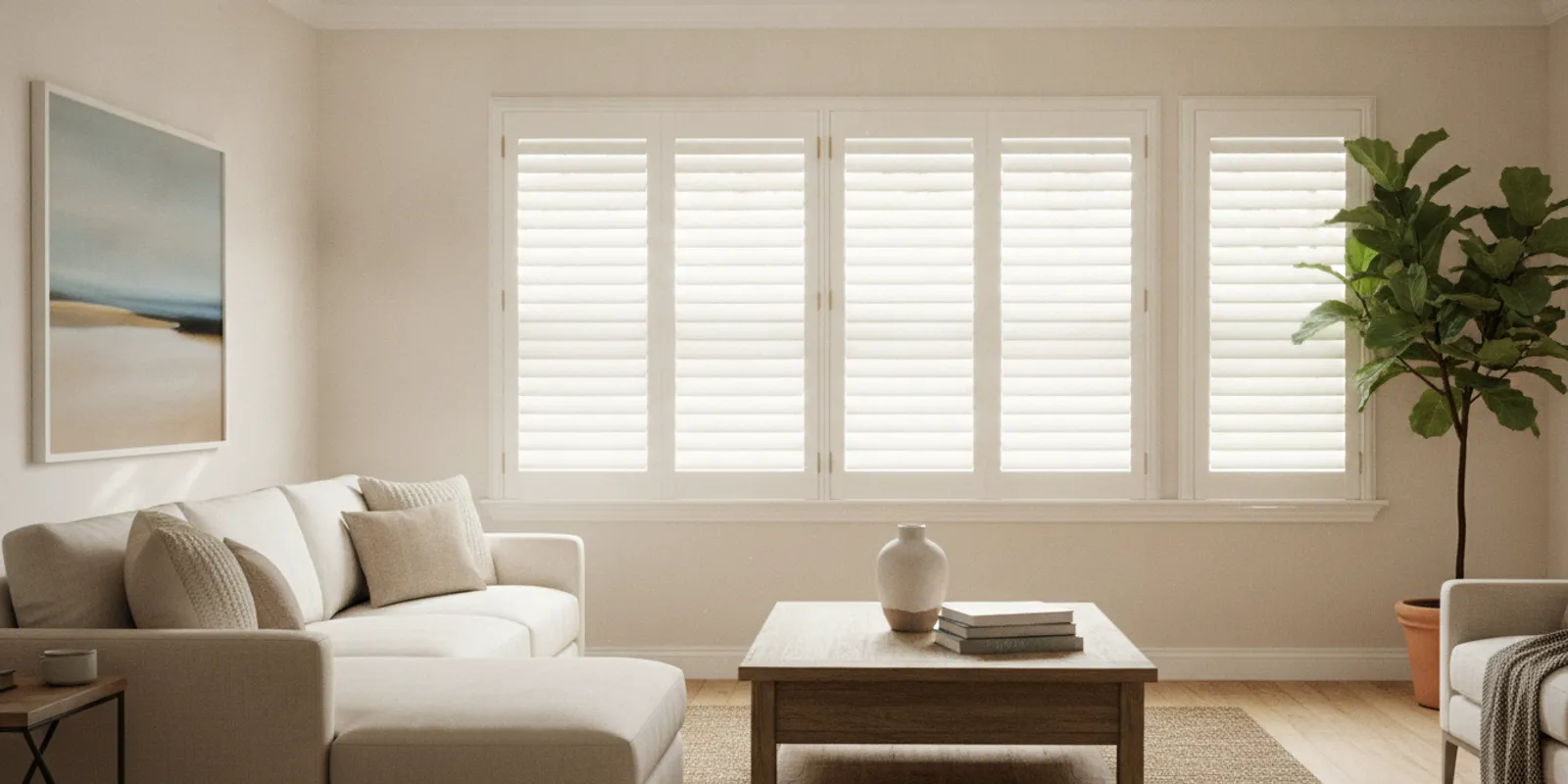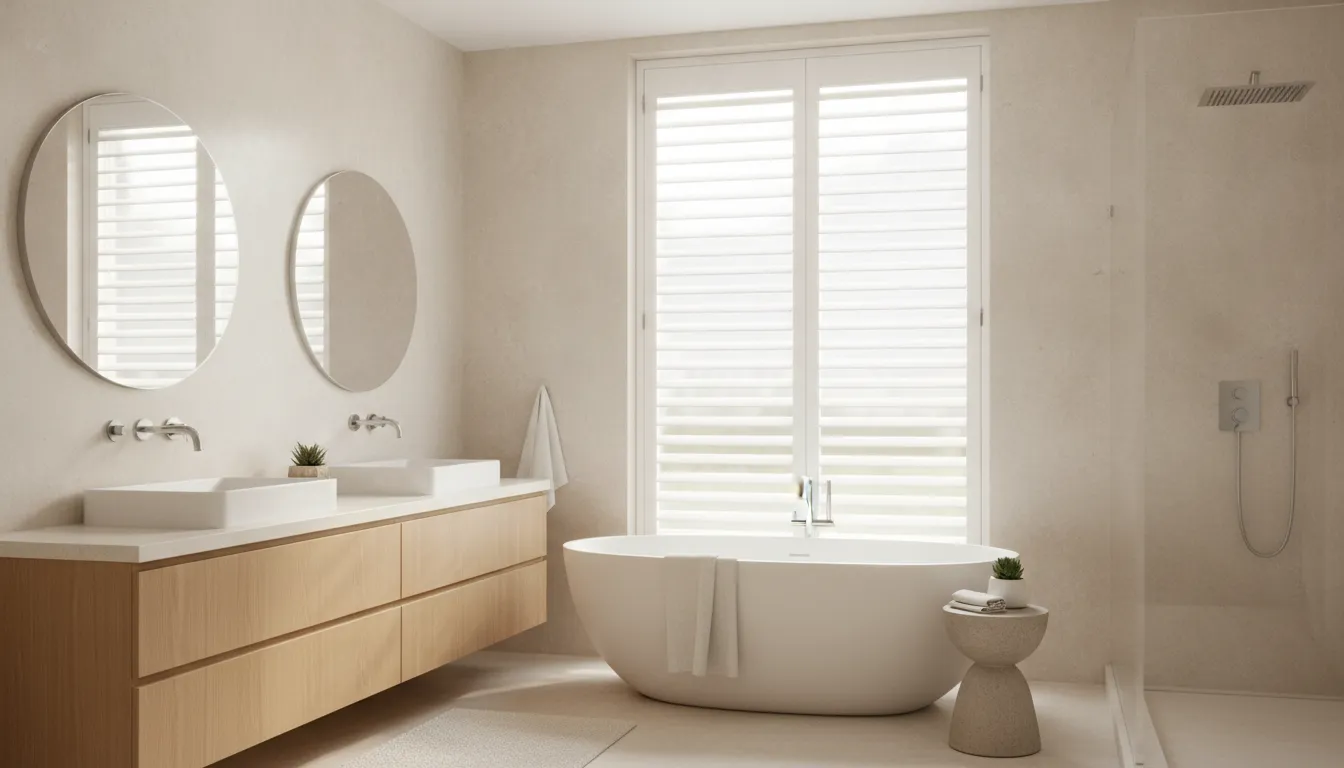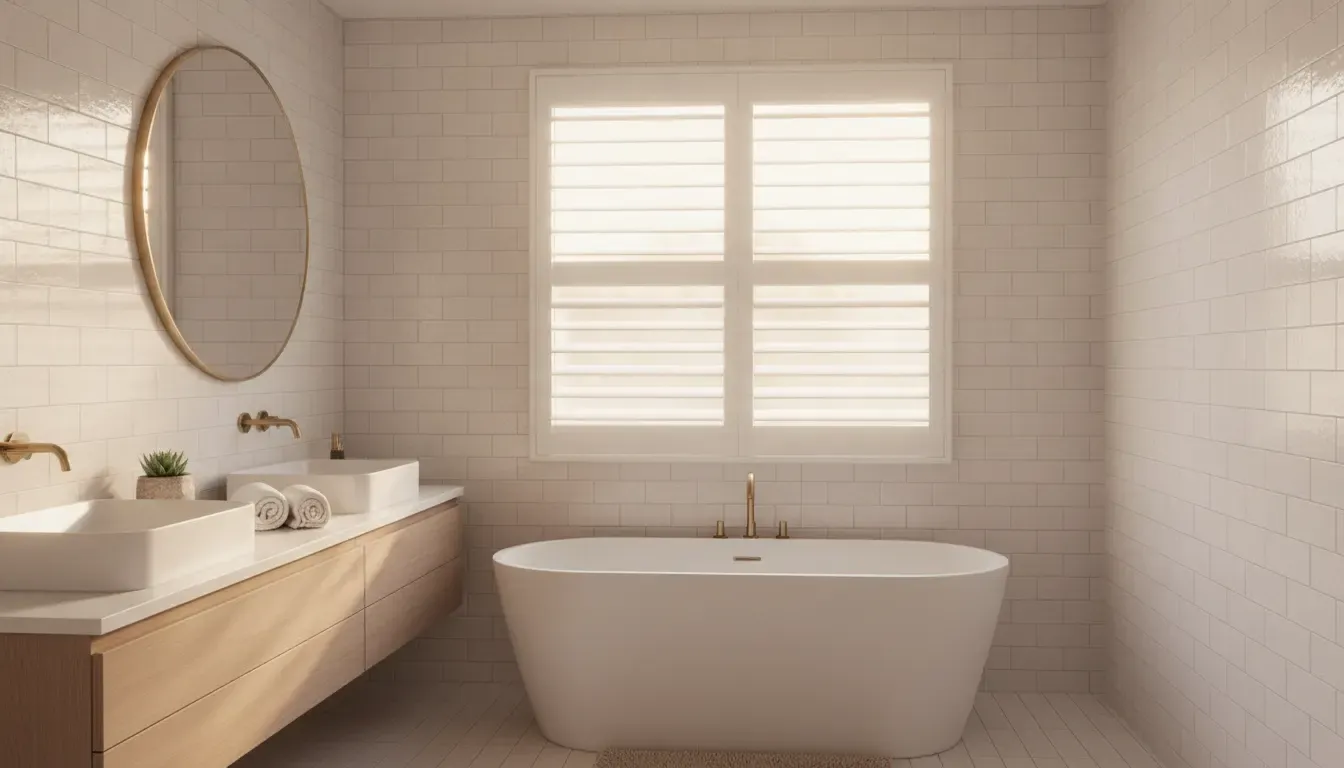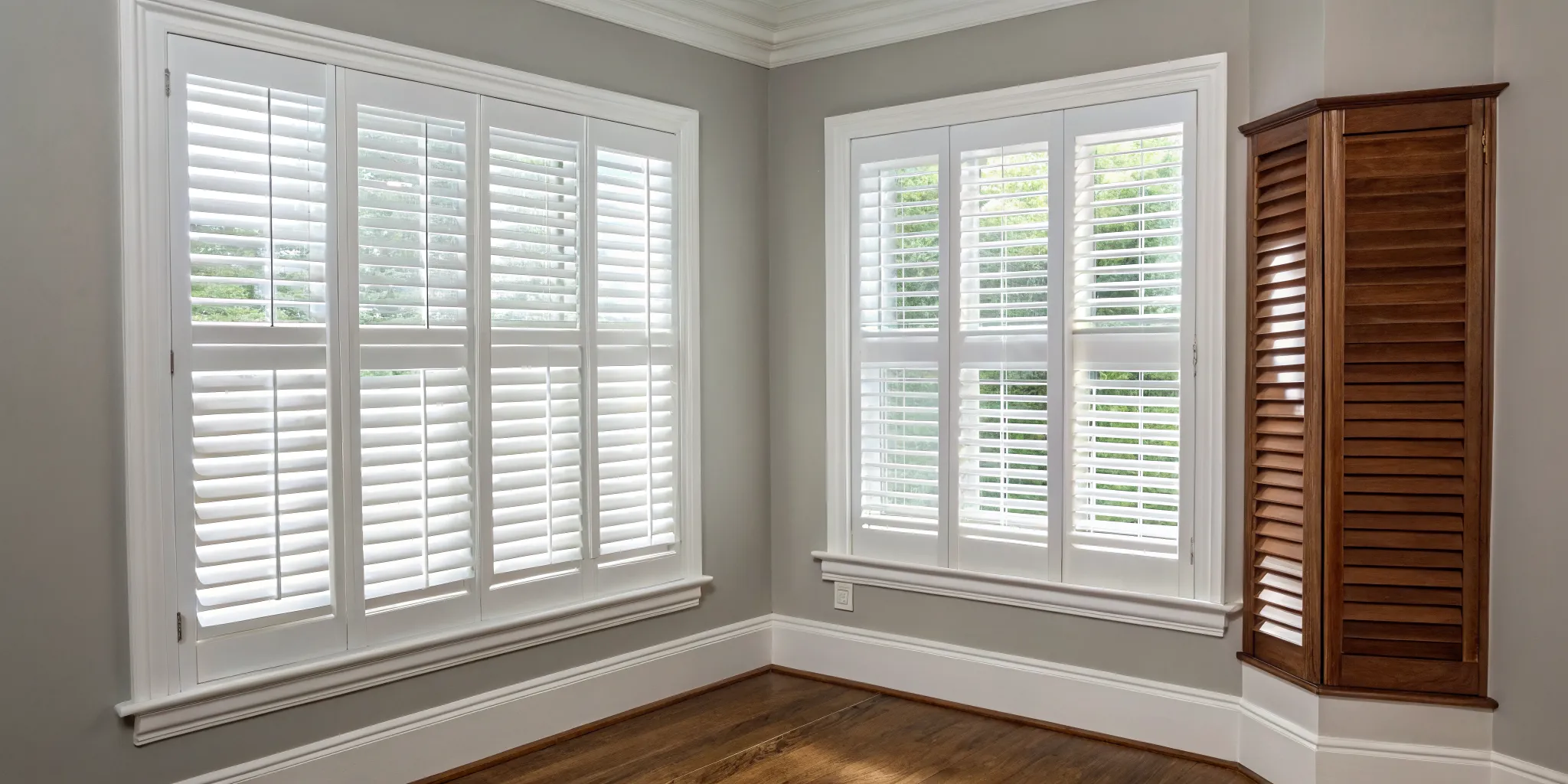
Think of your window coverings in one of two ways: as a piece of furniture or as part of the house itself. This is the core difference in the plantation shutters vs wood blinds debate. Wood blinds are like a beautiful, freestanding bookcase; they are a stylish and functional accessory you add to a room. Plantation shutters are like custom, built-in shelving; they are integrated directly into your home’s architecture, becoming a permanent and valuable feature. This distinction influences everything from customization options for unique window shapes to their overall impact on your home’s aesthetic. We’ll help you decide whether you’re looking for a flexible design element or a timeless architectural upgrade.
Key Takeaways
- Think Long-Term Value vs. Upfront Cost: Shutters are a permanent home upgrade that can last over 25 years and increase resale value, making them a great long-term investment. Blinds offer a classic look for a lower initial price, perfect for a stylish update on a budget.
- Consider Climate and Care: Plantation shutters are ideal for the Southern California climate, offering excellent insulation to reduce energy costs and simple, wipe-down cleaning. Wood blinds are beautiful but require more careful, water-free cleaning and can be sensitive to intense sun and humidity.
- Focus on Customization and Style: Plantation shutters provide a built-in, architectural feel and are the best solution for custom shapes like arches. Wood blinds offer style flexibility with a huge range of colors and stains, making it easy to match your existing decor.
Plantation Shutters vs. Wood Blinds: A Head-to-Head Comparison
Choosing between plantation shutters and wood blinds can feel like a tough decision. Both are fantastic options that bring style and function to your windows, but they offer very different benefits. Think of it like choosing between a built-in bookcase and a freestanding one; both hold books, but they integrate with your room in unique ways. To help you decide what’s best for your home in Orange, Riverside, or San Diego County, let’s break down exactly what each one is and how they compare side-by-side.
What are plantation shutters?
When you picture a classic, elegant window treatment, you’re probably thinking of plantation shutters. These are sturdy, structured window coverings built into a frame that fits perfectly inside your window opening. They feature wide, adjustable slats, called louvers, that you can tilt to control light and privacy. Plantation shutters are often made from durable materials like real wood, composite, or Polycore. Their built-in design makes them feel like a permanent, high-end feature of the home, adding architectural interest and a timeless look that works with almost any decor style. They are a true upgrade to your home’s interior.
What are wood blinds?
Wood blinds are a classic and versatile choice for window coverings. They consist of horizontal slats made from real wood that can be tilted open and closed or raised and lowered with a cord or wand. This gives you flexible light control throughout the day. It’s also good to know about faux wood blinds, which offer the beautiful look of real wood but are made from composite materials or PVC. This makes them more resistant to moisture and a great, budget-friendly option for rooms like kitchens and bathrooms. Blinds hang from a headrail at the top of the window, offering a clean and streamlined appearance.
Key differences in design and function
While both options cover your windows, their design and function create very different experiences. Shutters are generally more durable because they are custom-fitted into a solid frame, making them a permanent and sturdy part of the window. Blinds can be less durable over the long term, though high-quality options will certainly last when cared for properly. Another major difference is insulation. Because of their solid construction and snug fit, shutters are much better at insulating your home, which can help reduce your energy bills. Blinds offer some insulation, but not nearly as much. Finally, consider the upfront cost. Blinds are typically more affordable initially, while shutters are a larger investment that can actually increase your home’s resale value.
Cost Comparison: Shutters vs. Blinds
Let’s talk numbers. When you’re deciding on new window coverings, the budget is often a deciding factor. It’s easy to look at the price tag and make a quick choice, but it’s important to consider both the upfront cost and the long-term value. Plantation shutters and wood blinds sit at different price points, and understanding the “why” behind the cost can help you make a decision you’ll be happy with for years to come. Think of it as the difference between a short-term solution and a long-term home upgrade. Both have their place, and the right choice depends entirely on your budget, your style, and your plans for your home.
The cost of plantation shutters
Plantation shutters are an investment in your home, and their price reflects their quality and permanence. You can expect them to cost more per window than blinds, as this covers a premium, durable product custom-built to fit your windows perfectly. Unlike blinds, plantation shutters are considered a permanent fixture, almost like custom cabinetry. They are built to last for decades, not just a few years, offering a timeless look that can even increase your home’s resale value. While the upfront cost is higher, you’re paying for a long-lasting, high-end upgrade.
The cost of wood blinds
If you love a classic look but have a more immediate budget in mind, wood blinds are a fantastic and stylish option. They typically have a lower upfront cost, making them a more accessible choice for many homeowners in Orange County and beyond. This price point makes it easier to outfit multiple rooms or tackle a project without a major financial commitment. While they offer the warmth and classic appeal of real wood, their price reflects a different level of construction compared to shutters. Our selection of blinds provides a beautiful finish for any room.
Which is the better long-term investment?
When you look at the big picture, the more expensive option can sometimes be the better value. Plantation shutters have a lifespan of 25 years or more, while wood blinds typically last around 5 to 8 years. This means you might replace your blinds three or four times in the same period you would have one set of shutters. Because they are so durable and become a permanent part of your home, shutters are often seen as the superior long-term investment. We believe in helping you find the perfect fit, which is why our team at Vineyard Blind & Shutter is always here to walk you through the options.
Durability and Maintenance: A Realistic Look
When you’re choosing window coverings, it’s not just about how they look on day one. You want to know how they’ll hold up over years of daily use, bright Southern California sun, and the occasional sticky fingerprint. The durability and maintenance needs of your window treatments play a huge role in their long-term value. Let’s get real about what it takes to keep plantation shutters and wood blinds looking their best and how long you can expect them to last.
Lifespan of plantation shutters
Plantation shutters are the marathon runners of the window treatment world. When you invest in quality shutters, you’re choosing a permanent upgrade for your home that can last for 25 years or even longer. Think of them less like a decoration and more like custom-fitted furniture for your windows. This incredible longevity adds tangible value to your home, a feature homeowners in San Diego and Orange County appreciate.
Lifespan of wood blinds
Wood blinds offer a classic, warm look, but they have a significantly shorter lifespan. You can typically expect them to last about five to eight years. Over time, the cords can fray or break, and the thinner slats can be more susceptible to damage from kids, pets, or accidental bumps. While beautiful, it’s helpful to view them as a more temporary design element that you might update as your style evolves.
How to care for plantation shutters
If you dread cleaning, you’ll love plantation shutters. Their maintenance is incredibly simple. The wide, solid louvers can be wiped down in seconds with a soft cloth or duster. For a deeper clean, just use a damp cloth. This ease of care makes plantation shutters a practical choice for busy households across Riverside County, keeping your home looking polished with minimal effort.
How to care for wood blinds
Caring for wood blinds requires more attention. Dusting each individual slat can be time-consuming, and you must be gentle. Unlike their faux-wood counterparts, real wood blinds should not be cleaned with water, as moisture can cause the wood to warp, swell, or stain. Instead, you’ll need to use a dry cloth or a cleaner specifically designed for wood to preserve their natural beauty.
Debunking durability myths
A common myth is that all window treatments are created equal. The reality is that shutters are in a class of their own. While blinds look great, they aren’t built to withstand the same wear and tear. Shutters have a solid, integrated structure with no flimsy cords to break. When you look through our gallery of installations, you’re seeing beautiful, long-lasting solutions that prove shutters are the more durable choice.
Are Plantation Shutters More Energy Efficient Than Wood Blinds?
When you’re choosing window coverings, you’re probably thinking about style, privacy, and light control. But what about your energy bill? The right choice can make a surprising difference in how much you spend on heating and cooling. Both plantation shutters and wood blinds offer some insulation, but when it comes to pure energy efficiency, there’s a clear frontrunner. Let’s break down how each one performs and what that means for your home here in Southern California.
Insulation power of plantation shutters
Plantation shutters are the champions of energy efficiency. Their design creates a powerful barrier between your room and the window glass. Think of it like this: the solid frame and thick, overlapping louvers fit snugly within your window frame, trapping a layer of air. This trapped air acts as an insulator, significantly slowing down heat transfer. In fact, high-quality plantation shutters can reduce heat gain from the sun in the summer and prevent heat loss by up to 40% in the winter. This means your air conditioner and heater don’t have to work as hard, keeping your home comfortable year-round while saving you money.
Energy efficiency of wood blinds
Wood blinds certainly bring a warm, classic look to a room, and wood itself is a natural insulator. They are definitely a step up from thin curtains or leaving a window bare. However, their design has some inherent limitations when it comes to energy efficiency. The small gaps between each slat, while necessary for the blinds to function, allow for more air and heat to pass through. While they offer moderate insulating properties, they just can’t create the same solid thermal barrier that shutters do. So, while blinds will help manage sunlight and offer some temperature control, they don’t pack the same energy-saving punch as their shutter counterparts.
Why this matters in Southern California
For those of us living in Riverside, Orange, or San Diego County, this isn’t just an abstract comparison; it has a real impact on our daily comfort and budget. We all know how intense the Southern California sun can be, especially during those long summer afternoons. The superior insulation of plantation shutters means you can keep your home significantly cooler without constantly running the AC. This translates directly into lower energy bills month after month. Because they are such an effective barrier against temperature fluctuations, they are a smart, long-term investment for any homeowner in the areas we serve. They keep you comfortable while helping to protect your wallet.
Customization and Style: Which Gives You More Options?
Choosing window coverings is about more than just light control; it’s a major design decision. Both plantation shutters and wood blinds can completely transform a room, but they do it in very different ways. Your final choice will likely come down to the specific look you want and how much you want to personalize your window treatments. While both options offer a clean, polished look, one provides a level of built-in, architectural customization that the other simply can’t match.
If you’re aiming for a truly integrated and high-end feel, plantation shutters offer a world of possibilities. On the other hand, if you love a classic look with the flexibility to choose from various colors and finishes, wood blinds might be your perfect match. Let’s break down the specific style and customization options for each so you can decide which one fits your home and your vision.
Customizing your plantation shutters
Plantation shutters are the gold standard for custom-fit window treatments. Because they are constructed as a solid frame with adjustable louvers, they can be built to your window’s exact specifications. This isn’t just about getting the width and height right; it’s about creating a piece that feels like a part of your home’s architecture. You can choose from different materials, like durable Polycore or classic Stained Wood, to match your existing trim and furniture. The louver size can also be selected to control your view and the amount of light you let in, giving you another layer of personalization. This tailored approach makes plantation shutters a truly bespoke option for your home.
Customizing your wood blinds
Wood blinds offer a different kind of customization that’s more focused on color and finish. While they don’t have the same structural adaptability as shutters, they come in a wide array of options to suit your decor. You can find them in various paint colors, wood stains, and slat sizes. Faux wood blinds, in particular, provide the look of real wood with added durability, making them a popular choice for homes in Riverside County and Orange County. This variety allows you to easily coordinate your blinds with your wall color, flooring, and other design elements for a cohesive and stylish look.
Best fit for unique window shapes
If your home has arched, circular, or other non-rectangular windows, plantation shutters are the clear winner. Because they are custom-built for each opening, shutters can be crafted to fit nearly any shape imaginable, ensuring a perfect, gap-free installation that looks seamless. This makes them fully functional, allowing you to control light and privacy even on the most unconventional windows. Blinds, by contrast, are designed for standard rectangular shapes. While custom sizing is available for width and length, they cannot be made to fit arches or angles, leaving you with awkward gaps or the need for a different solution altogether.
Matching your home’s design style
Your choice between shutters and blinds can significantly influence your home’s overall aesthetic. Plantation shutters tend to provide a more elegant, high-end appearance. Their clean lines and substantial feel work beautifully in both traditional and modern homes, acting as an architectural upgrade that can even increase your property value. Wood blinds offer a classic, warm, and inviting look that is incredibly versatile. They are less of a permanent statement piece and more of a functional accessory. You can see examples of both in our gallery to get a better sense of how each style could look in a San Diego County home like yours.
How Does Southern California’s Climate Affect Your Choice?
Living in Southern California means enjoying plenty of sunshine, but that constant sun and heat can take a toll on your home. When choosing window coverings, our climate isn’t just a minor detail; it’s a major factor that influences everything from your energy bills to the lifespan of your investment. The intense sun can fade fabrics and warp materials, while coastal humidity adds another layer of complexity.
For homeowners in Riverside, Orange, and San Diego counties, picking the right window treatment is about finding a balance between style, function, and durability. Both plantation shutters and wood blinds can look beautiful, but they perform very differently under the specific pressures of our local weather. Understanding how each one holds up to heat, light, and moisture will help you make a choice you’ll be happy with for years to come. Let’s look at how each option handles the SoCal climate.
Plantation shutters: Built for SoCal heat
If you’re looking for a window treatment that can handle intense heat, plantation shutters are an excellent choice. They act as a solid barrier between the sun and your living space, providing fantastic insulation that helps keep your home cooler in the summer. This can make a real difference in your air conditioning costs, especially during those long, hot afternoons.
Their durability is another huge plus. Built to last for more than 25 years, plantation shutters are a long-term solution that won’t easily succumb to sun damage. Materials like Polycore are particularly resilient, as they won’t warp, crack, or fade over time. Plus, keeping them clean is simple; a quick wipe with a damp cloth is all it takes to remove the dust that inevitably settles in our dry climate.
Wood blinds in a warm climate
Wood blinds offer a classic, warm aesthetic that many homeowners love. However, it’s important to consider how they perform in our sunny and sometimes humid environment. Real wood is a natural material, which means it can be susceptible to warping or cracking when exposed to high humidity. This is a key consideration for homes near the coast in Orange County or San Diego County, or even in inland areas during more humid seasons.
The intense Southern California sun can also cause the finish on wood blinds to fade over time, and they generally have a shorter lifespan than shutters. While they are a beautiful and often more affordable upfront option, they may require more care and potential replacement sooner, making them a trade-off between initial cost and long-term durability.
Choosing for high-moisture rooms
When it comes to rooms with high humidity, like bathrooms, kitchens, and laundry rooms, material choice is critical. The steam from a hot shower or moisture from cooking can be tough on real wood, leading to warping and damage. This is where synthetic materials truly shine.
Faux wood blinds and Polycore shutters are specifically designed to withstand moisture without compromising on style. They give you the timeless look of wood or traditional shutters but are made from durable composites that won’t swell, crack, or peel in damp conditions. Opting for one of these materials in your home’s high-moisture zones is a smart, practical decision that ensures your window treatments will look great and function perfectly for years to come.
Which Window Covering Is Right for Your Home?
Making the final call between beautiful plantation shutters and versatile wood blinds can feel like a tough decision. Both are fantastic options, but they serve different needs and priorities. The best choice for your home in Orange County, San Diego County, or Riverside County really comes down to your budget, your long-term plans, and the style you want to create. Let’s break it down to help you figure out which path is right for you.
Choose plantation shutters if…
You see your window coverings as a long-term investment that adds tangible value to your home. Plantation shutters are more than just a way to block light; they are custom-built architectural features that become a permanent, high-end part of your house. Their durability is exceptional, often lasting for 25 years or more with very little maintenance. They also provide excellent insulation, which helps keep your home cooler during our warm summers and a bit cozier in the winter. If you’re looking for a timeless, sophisticated solution that offers superior privacy and light control, plantation shutters are an outstanding choice.
Choose wood blinds if…
Your main goals are style flexibility and working within a specific budget. Wood blinds deliver a warm, classic look without the premium price of shutters. Because they are available in a wide array of colors, stains, and paint finishes, you can easily find a style that perfectly matches your furniture, flooring, and overall decor. For rooms with high moisture, like bathrooms or kitchens, faux wood blinds are a smart and durable alternative that resists warping. Blinds offer a wonderful balance of beauty, function, and affordability, giving you the freedom to create a polished look without a major commitment.
A note on current trends
You may have seen articles suggesting that design trends are moving away from substantial window treatments in favor of more minimal styles. While it’s true that some people are opting for lighter looks to maximize natural light, classic design is timeless for a reason. The perfect window covering is less about chasing a trend and more about what truly fits your home’s character and your personal style. Shutters provide an enduring elegance that suits many Southern California homes, while modern blinds can feel either traditional or contemporary. Seeing how these styles look in real homes can help you decide, and our gallery is a great place to start.
Find Your Perfect Fit with Vineyard Blind & Shutter
Choosing the right window treatments for your home is a big decision. When you’re weighing options like plantation shutters versus wood blinds, it’s easy to feel a little stuck. Both have their own unique charm, but they serve different needs, budgets, and styles. The best choice really comes down to your specific home and priorities, and our team is here to help you figure that out.
If you’re thinking about a long-term investment, plantation shutters are a fantastic choice. They are incredibly durable, often lasting for more than 25 years with proper care. Their insulating properties are also a huge win for Southern California homes, helping keep your rooms cooler in the summer and warmer in the winter. Think of them as a permanent upgrade that adds lasting value and timeless elegance to your space.
On the other hand, if you love a classic look and are working with a more immediate budget, wood blinds are a wonderful and versatile option. They bring a natural warmth to a room that can complement almost any decor. While they typically have a shorter lifespan than shutters, they provide an affordable way to refresh your windows. Just keep in mind that real wood can be sensitive to moisture, so they might not be the best fit for high-humidity areas like bathrooms.
At Vineyard Blind & Shutter, we don’t just sell window coverings; we help you find the perfect solution. Our team serves homeowners across Orange, Riverside, and San Diego counties, providing expert advice and a custom fit for every single window. We can walk you through the options in your own home so you can feel completely confident in your decision to transform your space.
Related Articles
- Faux Wood Plantation Shutters: Why They’re A Great Option
- The Ultimate Guide to Dark Wood Plantation Shutters
Frequently Asked Questions
Are plantation shutters really worth the extra cost compared to blinds? It’s helpful to think of it as a long-term home upgrade versus a decorative accessory. While shutters have a higher initial price, they are built to last for over 25 years. In that same time, you might replace blinds three or four times. Shutters also add to your home’s resale value and provide significant insulation, which can help lower your energy bills. So, while you pay more upfront, the durability and energy savings can make them a very smart investment over time.
Which option is easier to keep clean, especially with kids or pets? If you want low-maintenance cleaning, plantation shutters are the clear winner. Their wide, solid louvers can be wiped down with a cloth in just a few seconds. Wood blinds, with their individual slats and cord systems, require more time and care to dust properly. For a busy household, the simplicity of cleaning shutters is a major practical advantage.
My house gets a lot of direct sun. Will wood blinds warp or fade? This is a great question for us here in Southern California. Intense, direct sunlight can be tough on real wood, potentially causing finishes to fade over time. While high-quality wood blinds are made to last, materials like Polycore shutters are specifically designed to handle extreme heat and sun without warping, cracking, or fading. If you love the look of blinds, faux wood is an excellent, durable alternative that stands up beautifully to the sun.
I have an arched window in my living room. What are my options? For uniquely shaped windows like arches, circles, or angles, plantation shutters are the perfect solution. Because they are custom-built for each specific opening, they can be crafted to fit the exact curve of your window. This gives you a seamless, built-in look and full light control, something that standard rectangular blinds simply cannot do.
This is a lot of information. How do I make the final decision? The best way to decide is to consider your main priority. If your goal is a permanent, high-value upgrade that you’ll never have to worry about again, shutters are likely your answer. If you prefer more flexibility with your budget and enjoy having a wide variety of colors and finishes to choose from, blinds are a fantastic and stylish choice. Seeing the materials in your own home, in your own light, is often the final step that makes the decision clear.