Living in Southern California means we get to enjoy beautiful, sunny weather, but it also means our air conditioners work overtime. If you’re a homeowner in Riverside or Orange County, you know that keeping your home cool can be a constant battle. Your window coverings are your first line of defense. This brings up a common question: in the contest of pleated shades vs cellular shades, which one is better for managing heat and lowering energy bills? While both offer a sleek, modern look, one is specifically engineered for insulation. Let’s explore how each style performs under the California sun so you can make a smart, energy-efficient choice for your home.
Key Takeaways
- Construction is Key: Pleated shades are made from a single, folded layer of fabric, making them a great choice for style. Cellular shades feature honeycomb-shaped pockets that trap air, providing excellent insulation.
- Decide on Your Main Goal: If you want to make a design statement with unique patterns and colors, choose pleated shades. If your priority is lowering energy bills and reducing outside noise, the insulating power of cellular shades is the smarter investment.
- Always Opt for a Custom Fit: Professional measurement is essential for getting the best performance and look from your shades. A perfect fit maximizes the insulating benefits of cellular shades and gives any window treatment a polished, high-end appearance.
Pleated vs. Cellular Shades: What’s the Difference?
When you start exploring window treatments, you’ll quickly come across two popular options: pleated and cellular shades. They look similar at first glance, both featuring crisp, folded fabric. However, a few key differences in their construction and function set them apart. Understanding these distinctions is the first step to figuring out which style is the perfect fit for your home in San Diego, Riverside, or Orange County. Let’s break down what makes each type of shade unique.
What Are Pleated Shades?
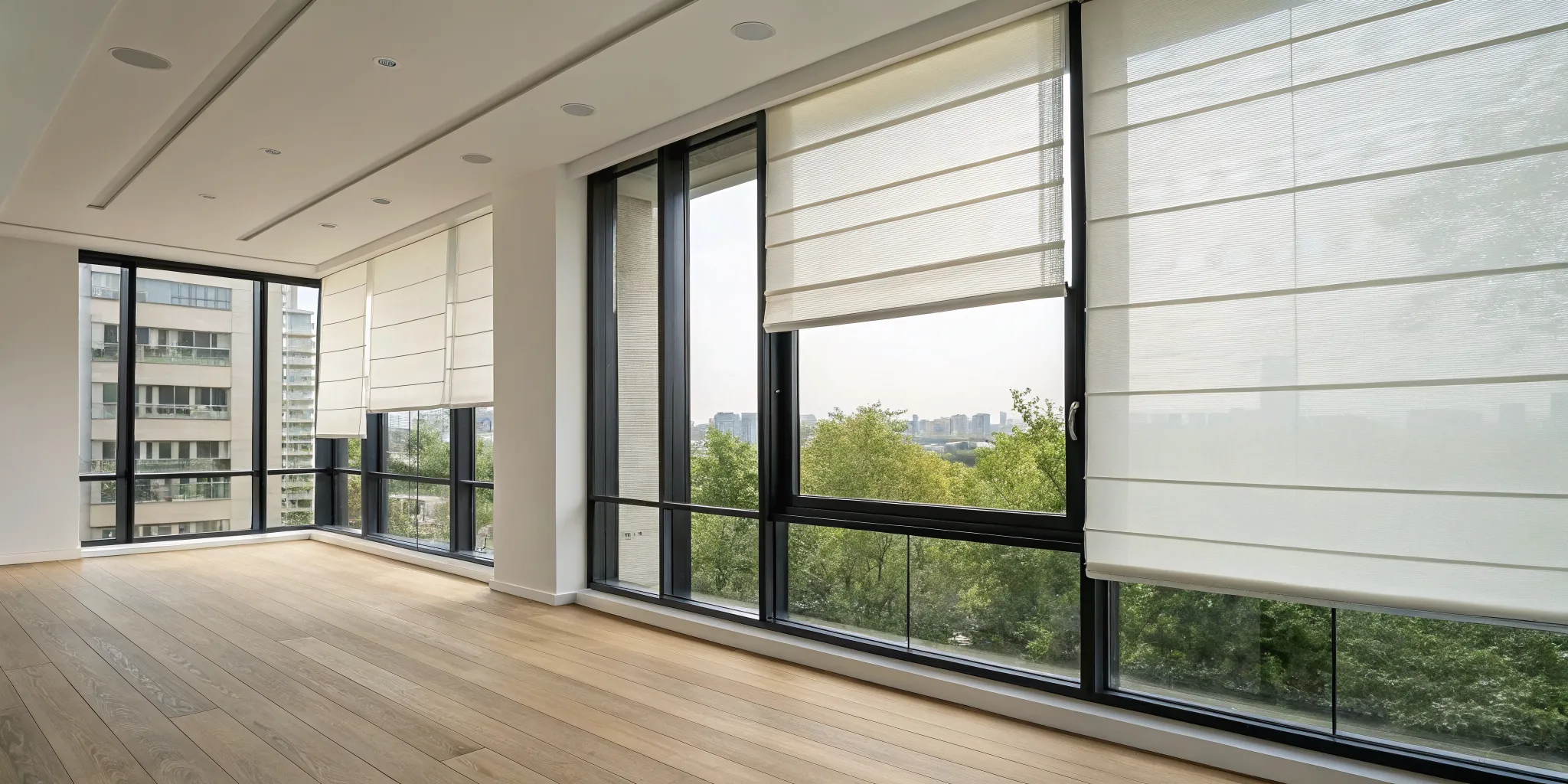
Think of pleated shades as a single, elegant sheet of fabric folded like an accordion. These crisp, even folds create a classic and timeless look that complements almost any decor style. Their main strength lies in their visual versatility. Pleated shades come in a massive variety of colors, textures, and patterns, allowing you to make a real style statement. If you’re looking to add a pop of color to your living room or a subtle pattern to your bedroom, pleated shades give you the creative freedom to do so. They offer a clean, sophisticated profile that adds texture without overwhelming the space.
What Are Cellular (Honeycomb) Shades?
Cellular shades, often called honeycomb shades, get their name from their special construction. Instead of a single layer of fabric, they are made with two or more layers connected to form honeycomb-shaped pockets or “cells.” From the side, you can see this unique three-dimensional structure. These cells are the key to their most significant benefit: insulation. They trap air, creating a barrier between your window and the room. This helps keep your home cooler in the summer and warmer in the winter, which can lead to noticeable savings on your energy bills. It’s a smart and stylish solution for any home.
Are Cellular Shades a Type of Pleated Shade?
This is a common point of confusion, so let’s clear it up. Yes, all cellular shades are technically a type of pleated shade, but not all pleated shades are cellular. Both styles feature the signature accordion-like folds. The defining difference is that standard pleated shades are made from a single layer of fabric, while cellular shades have that special honeycomb structure made from multiple layers. You can see the difference for yourself in our gallery. That honeycomb design is what gives cellular shades their superior insulating properties, setting them apart as a high-performance window covering.
A Head-to-Head Comparison
When you place pleated and cellular shades side-by-side, their differences become clear. While they might look similar from a distance, their construction, performance, and cost vary quite a bit. Understanding these key distinctions will help you decide which option is the perfect fit for your home in Orange, San Diego, or Riverside County. Let’s break down how they stack up against each other in the areas that matter most.
Design and Construction
The biggest difference between these two styles lies in their basic structure. Pleated shades are made from a single piece of fabric that is crisply folded into an accordion-like pattern. This creates a simple, clean, and elegant look. On the other hand, cellular shades (often called honeycomb shades) are built with two or more layers of fabric bonded together to form honeycomb-shaped pockets or “cells.” These cells are the secret to their unique properties. This fundamental difference in construction is what drives all the other variations in performance, from light control to energy savings.
Light Control and Privacy
Both pleated and cellular shades give you great control over the light and privacy in your home. You can find options ranging from sheer fabrics that gently filter sunlight to blackout materials that create a pitch-dark room perfect for sleeping. Pleated shades offer a soft, diffused glow, and you can always add a privacy or blackout liner for more coverage. Cellular shades naturally provide a bit more privacy due to their layered construction. For total darkness, their blackout versions are incredibly effective, leaving no visible cord holes for light to peek through.
Energy Efficiency
This is where cellular shades truly shine. Their honeycomb design is a game-changer for insulation. The cells trap air, creating a barrier between your window and the room. This helps keep your home cooler during those hot Southern California summers and warmer on chilly winter nights. By reducing the need for your air conditioner or heater to work overtime, cellular shades can lead to real savings on your energy bills. While pleated shades offer some light filtering, they don’t provide the same level of insulation as their cellular counterparts.
Durability
When it comes to upkeep, both shades have their points to consider. Pleated shades are typically made from a single, sturdy piece of fabric, which can make them quite durable and easy to clean with a light vacuuming. Cellular shades, while incredibly functional, can be a bit more delicate. The fabric cells that provide insulation can sometimes collect dust or be more susceptible to damage in high-traffic areas or homes with curious pets and kids. For rooms that see a lot of action, you might also consider tougher options like our custom plantation shutters.
Cost
Generally, pleated shades are the more budget-friendly option upfront. Their simpler construction requires less material and a less complex manufacturing process, which keeps the price down. Cellular shades tend to cost more because of their innovative, energy-saving honeycomb design. Think of it as an investment in your home’s comfort and energy efficiency. It’s also worth noting that adding custom features like top-down/bottom-up lifts or blackout liners to pleated shades can increase their price, sometimes bringing them closer to the cost of cellular shades. To get a precise idea for your windows, you can always contact us for a custom quote.
Weighing the Pros and Cons
The Case for Pleated Shades
If your top priority is style, pleated shades are a fantastic choice. They are made from a single layer of fabric pressed into crisp, even pleats, creating a clean and sophisticated look. Their biggest advantage is the sheer variety available. You can find them in a huge range of colors, textures, and patterns, which gives you the freedom to make a real design statement. Whether you want a bold pop of color in your living room or a subtle, textured neutral for your bedroom, there’s a pleated shade to match your vision. This makes them one of the most versatile shades for expressing your personal style and tying a room together perfectly.
Potential Downsides of Pleated Shades
The single-layer design of pleated shades does come with a few trade-offs. Because there’s only one piece of fabric, your choice of material directly impacts light control and privacy. A sheer fabric will let in lots of natural light but offer less privacy, while a heavier fabric will do the opposite. You’ll need to think carefully about the primary function of the window you’re covering. Additionally, pleated shades don’t provide much insulation. That single layer of fabric doesn’t trap air effectively, so they won’t do much to help keep your home cool during a Southern California summer or warm on a chilly winter night.
Why You Might Prefer Cellular Shades
For homeowners in Riverside, Orange, and San Diego counties, cellular shades are often the more practical choice. Their unique honeycomb structure is designed for performance. The cells trap air, creating a layer of insulation against the window. This is a game-changer for energy efficiency, as it helps keep your home cooler in the summer and warmer in the winter, which can make a noticeable difference in your energy bills. This insulating property also helps dampen outside noise, creating a quieter, more peaceful indoor environment. If function and energy savings are high on your list, cellular shades are hard to beat.
What to Consider with Cellular Shades
While cellular shades are energy-saving powerhouses, there are a couple of things to keep in mind. To get the full insulating benefit, they must fit your window frame perfectly. Gaps on the sides will allow air to pass through, reducing their effectiveness. This is why a professional measurement and custom fit are so important. Our mobile services ensure your shades are measured and installed for a perfect fit. You also have options for light control, from light-filtering fabrics that create a soft glow to blackout materials that are ideal for bedrooms and media rooms, giving you complete control over your space.
Can Cellular Shades Lower Your Energy Bills in Southern California?
Living in Southern California means enjoying plenty of sunshine, but it also means running the air conditioner for a good part of the year. If you’re a homeowner in Riverside County or Orange County, you know how quickly those cooling costs can add up. The good news is that your window coverings can play a huge role in managing your home’s temperature and, consequently, your energy bills. Cellular shades, in particular, are fantastic energy savers.
Their secret lies in their unique honeycomb structure. These shades are designed with pockets that trap air, creating a layer of insulation between your window and your room. This design is incredibly effective. In fact, cellular shades can block up to 80% of the sun’s heat from entering your home during the summer. By keeping the heat out, your A/C doesn’t have to work as hard, which can lead to noticeable savings on your monthly energy bills. For anyone looking to make their home more comfortable and efficient, exploring different types of shades is a great first step.
Single, Double, or Triple Cell: Which Is Best?
When you start looking at cellular shades, you’ll notice they come in single, double, or even triple-cell designs. The “cell” refers to the row of honeycomb pockets. A single-cell shade has one layer of these pockets, while a double-cell shade has two. As you might guess, the more cells, the better the insulation. Double-cell shades offer a significant increase in insulating power compared to single-cell versions, making them an excellent choice for rooms that get a lot of direct sun or for homeowners focused on maximizing energy efficiency. Triple-cell options provide the highest level of insulation, though double-cell designs are often the perfect balance of performance and style for most homes in the San Diego County area.
How They Help Keep Your Home Cool
The magic of cellular shades is all in their construction. The honeycomb shape creates distinct air pockets that act as a barrier against outdoor temperatures. During a hot Southern California summer, the sun beats down on your windows, transferring heat inside. The trapped air in the cellular shade’s pockets slows this heat transfer, keeping your room cooler and more comfortable. This means your air conditioning system can maintain a pleasant temperature without constantly running, which is the key to lowering your energy consumption. This insulating effect also works in reverse, helping to keep your home warmer during cooler winter nights.
The Added Benefit of Noise Reduction
Beyond energy efficiency, cellular shades offer another welcome perk: noise reduction. The same air-trapping honeycomb structure that insulates against temperature also helps to dampen sound. This can make a surprising difference in creating a quieter, more peaceful indoor environment. If you live near a busy street, a school, or just have noisy neighbors, cellular shades can help mute those outside disturbances. It’s a fantastic secondary benefit that adds to your home’s overall comfort. When you get a custom fit for your windows, you maximize both the insulating and sound-dampening properties of these versatile shades.
Matching the Shade to the Room
Choosing between pleated and cellular shades often comes down to the room itself. Each style has unique strengths that make it a perfect fit for certain spaces. Think about how you use the room, how much light it gets, and what your main priority is, whether it’s creating a soft atmosphere or managing temperature. Let’s walk through which rooms are best suited for each type of shade, helping you find the perfect match for your home.
Best Rooms for Pleated Shades
Pleated shades bring a classic, elegant feel to a room. Their single layer of fabric gently filters sunlight, casting a soft, warm glow that’s perfect for creating an inviting atmosphere. This makes them an excellent choice for living rooms, dining areas, and home offices where you want pleasant, natural light without the harsh glare. If your room faces north or south, or if trees outside already provide some shade, these shades will help you make the most of the available light. They offer a timeless look that complements a wide range of decor styles, adding a touch of sophistication to your space.
Ideal Spaces for Cellular Shades
If you’re dealing with rooms that get too hot in the summer, cellular shades are your best friend. Their unique honeycomb structure traps air, creating a layer of insulation that helps maintain a comfortable indoor temperature. This is a huge advantage for homeowners in Riverside, Orange, and San Diego County looking to lower their energy bills. Cellular shades are perfect for bedrooms, nurseries, or media rooms where you need excellent light control and privacy. You can see how they look in different rooms in our gallery. Their light-blocking capabilities can turn a bright room into a dark, peaceful retreat, making them ideal for getting a good night’s sleep or enjoying a movie without any glare.
Customization and Care for Your Shades
Once you’ve narrowed down your choice, the fun part begins: making your shades your own. Both pleated and cellular shades offer a fantastic range of customization to perfectly match your home’s decor. Beyond aesthetics, it’s also smart to think about long-term care. A little maintenance goes a long way in keeping your window treatments looking fresh and new for years to come. Let’s walk through the options for design and the best ways to keep your shades clean.
Exploring Design and Lift Options
This is where you can really let your personal style shine. If you love making a statement, pleated shades offer a huge variety of fabrics, colors, patterns, and textures. You can find everything from bold, modern designs to soft, traditional ones. Cellular shades, on the other hand, provide a more elegant and simple look. They come in a beautiful array of neutral colors and popular fabrics that blend seamlessly with most home styles in Orange County and beyond. Both styles attach to a top bar and can be operated with cords, or you can opt for a cordless or motorized lift system for a clean, modern finish and added safety for kids and pets. Exploring our gallery of custom shades can give you a great feel for the possibilities.
How to Clean Pleated Shades
One of the great things about pleated shades is how easy they are to clean. For regular upkeep, a light dusting or a quick pass with the brush attachment on your vacuum is all you need. If you notice a small spot or stain, you can typically clean it with a damp cloth and a bit of mild soap. Because of their single-layer design, there aren’t any hidden cells for dust to get trapped in. Some fabrics may even be machine-washable, but it’s always best to confirm the specific care instructions for your chosen material before trying that.
How to Clean Cellular Shades
Cellular shades require a little more attention because their honeycomb cells can sometimes collect dust and debris. To keep them looking their best, plan to clean them regularly with your vacuum’s brush attachment. For a deeper clean, you can use a can of compressed air (like the kind for keyboards) to gently blow out any dust that has settled inside the cells. If you’re dealing with a stubborn spot in your Riverside County home and aren’t sure how to handle it, our team is always here to help. We offer mobile services and can provide expert advice to keep your shades in top condition.
How to Choose the Right Shade for You
You have the details on both pleated and cellular shades, so how do you make the final call? The right choice really comes down to your home, your lifestyle, and your personal taste. Answering a few key questions about your priorities will point you toward the perfect fit for your windows in Orange, San Diego, or Riverside County. Let’s walk through what matters most to you.
What’s Your Budget?
If your decision is guided by the initial price tag, pleated shades are often the more economical choice. Their simpler, single-fabric construction makes them a very budget-friendly way to add style and privacy to a room. On the other hand, cellular shades generally have a higher upfront cost. This is due to their more complex honeycomb design and the insulating properties that come with it. Think of it as an investment that can lead to long-term energy savings. Of course, the final price for any custom shades will depend on the specific fabric, size, and lift options you select.
How Much Upkeep Are You Prepared For?
Here’s some good news: neither pleated nor cellular shades will add a lot to your cleaning routine. Both are designed for easy maintenance. A simple monthly dusting or a gentle pass with your vacuum’s brush attachment is usually all it takes to keep them looking fresh and new. Because pleated shades are made from a single layer of fabric, they are incredibly straightforward to clean. The honeycomb pockets of cellular shades can sometimes trap dust, but a quick blast from a can of compressed air or a hairdryer on a cool, low setting easily clears them out. Our team is always here to offer tips to keep your window treatments looking their best.
What’s Your Design Style?
Are you looking for a window treatment that makes a statement or one that blends in beautifully? If you love having options, pleated shades are for you. They come in a huge variety of fabrics, bold patterns, and rich textures, giving you a fantastic opportunity to add a pop of personality to your space. Cellular shades, in contrast, offer a clean, streamlined, and sophisticated look. Their style is more uniform and elegant, available in a wide array of neutral colors and soft fabrics that complement almost any home decor. You can see examples of both in our gallery to get a better feel for each style.
Find Your Perfect Custom Shades in Southern California
Choosing the right window treatment is about finding that perfect balance between your personal style, your home’s needs, and your budget. Whether you’re drawn to the crisp, clean lines of pleated shades or the impressive energy efficiency of cellular shades, the best choice is the one that feels right for your space. Both options offer a sleek, modern look and give you fantastic control over light and privacy, making them a great fit for almost any room. Here in Southern California, the insulating power of cellular shades can be a real game-changer during our hot summers, potentially helping you save on cooling costs.
Making the final call can feel like a big decision, but you don’t have to make it alone. At Vineyard Blind & Shutter, we help homeowners across San Diego, Riverside, and Orange Counties find their ideal window coverings. You can explore our beautiful custom shades online and see examples in our gallery to get inspired. Seeing and feeling the fabrics in your own home, under your own lighting, makes all the difference.
When you’re ready, our mobile service brings the showroom directly to your door. We’ll walk you through all the customization options, from fabric and color to lift systems, and provide a custom measurement to ensure a perfect fit. Our goal is to make the process simple and enjoyable, helping you select shades that you’ll love for years to come.
Related Articles
- Top 6 Cellular Shades for Energy Efficiency
- Best Cellular Shades for Windows: A 2026 Guide
- The Best Cordless Cellular Shades: A 2026 Guide
Frequently Asked Questions
So, which shade is actually better: pleated or cellular? It really depends on your main priority for the room. If you’re looking for the perfect pattern or a specific color to tie your decor together, pleated shades give you more stylistic freedom. However, if your goal is to make your home more energy-efficient and comfortable, the insulating design of cellular shades is the clear winner, especially for managing heat.
Are cellular shades really worth the extra cost? Think of cellular shades as a long-term investment in your home. While they often have a higher price tag upfront, their insulating honeycomb design can lead to noticeable savings on your energy bills over time. For anyone living in Southern California, that extra help keeping your home cool during the summer makes them a very practical and valuable choice.
I have kids and pets. Which option is more durable? Both styles can hold up well in a busy home, but pleated shades have a slight advantage in their simple construction. Since they are just a single layer of fabric, there are no cells that can be crushed or collect small toys. The most important feature for a home with kids and pets, however, is a cordless lift system, which is available for both styles and creates a much safer environment.
I need my bedroom to be completely dark. Can pleated shades do that? You can add a blackout liner to a pleated shade, but if your goal is total darkness, cellular shades are usually the superior choice. Their layered construction is naturally better at blocking light. More importantly, many cellular shade designs eliminate the tiny pinholes where cords pass through the fabric, which prevents those little specks of light from peeking into your room.
Is cleaning the cells in cellular shades a huge hassle? Not at all, it’s much simpler than it sounds. Regular maintenance is the same for both types of shades: a light dusting or a quick pass with your vacuum’s brush attachment. If you notice dust has gathered inside the honeycomb cells, you can easily blow it out with a can of compressed air or a hairdryer on its coolest setting.