Southern California sunlight can make a room feel warm, fade furnishings, and turn a bright window into a source of screen glare. The right shade depends less on a one-size-fits-all energy claim and more on what each room needs: a clear view, daytime comfort, privacy, or stronger insulation.
Q: Which option is better for Southern California homes? A: solar shades for windows are usually the better choice for reducing glare, filtering UV rays. And preserving an outdoor view, while cellular shades are often better for insulation and temperature control. The best fit depends on the window's direction, the room's purpose, and how much light control you want.
Both styles can make a noticeable difference, but they solve different problems. Understanding how solar shades manage sunlight and how their openness factor affects privacy is the first step toward comparing them fairly. Vineyard Blind & Shutter can also bring samples to your home so you can evaluate color, texture, and visibility in your own lighting. Call (951) 757-4188 for a free consultation.
What Are Solar Shades for Windows?
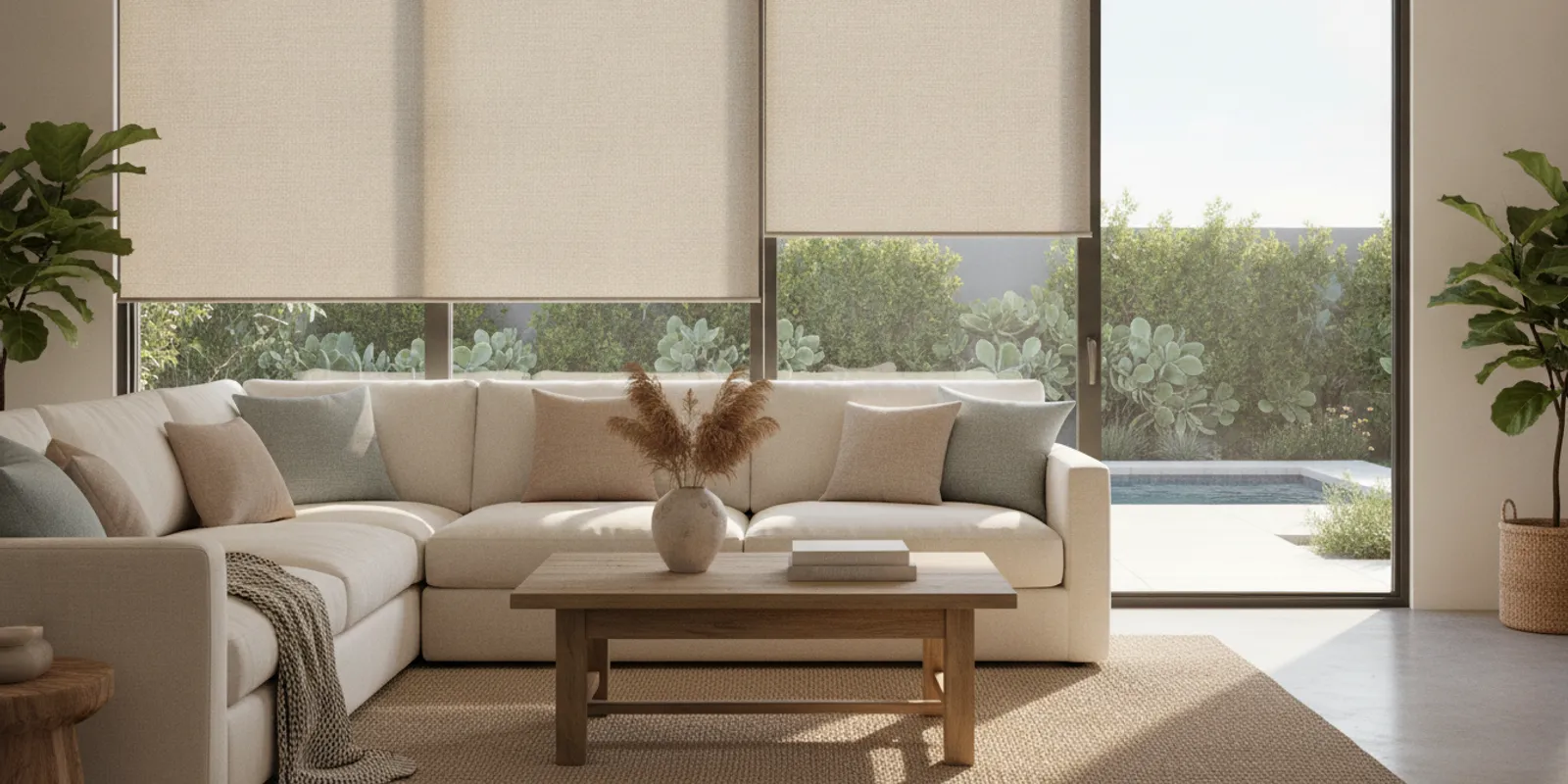
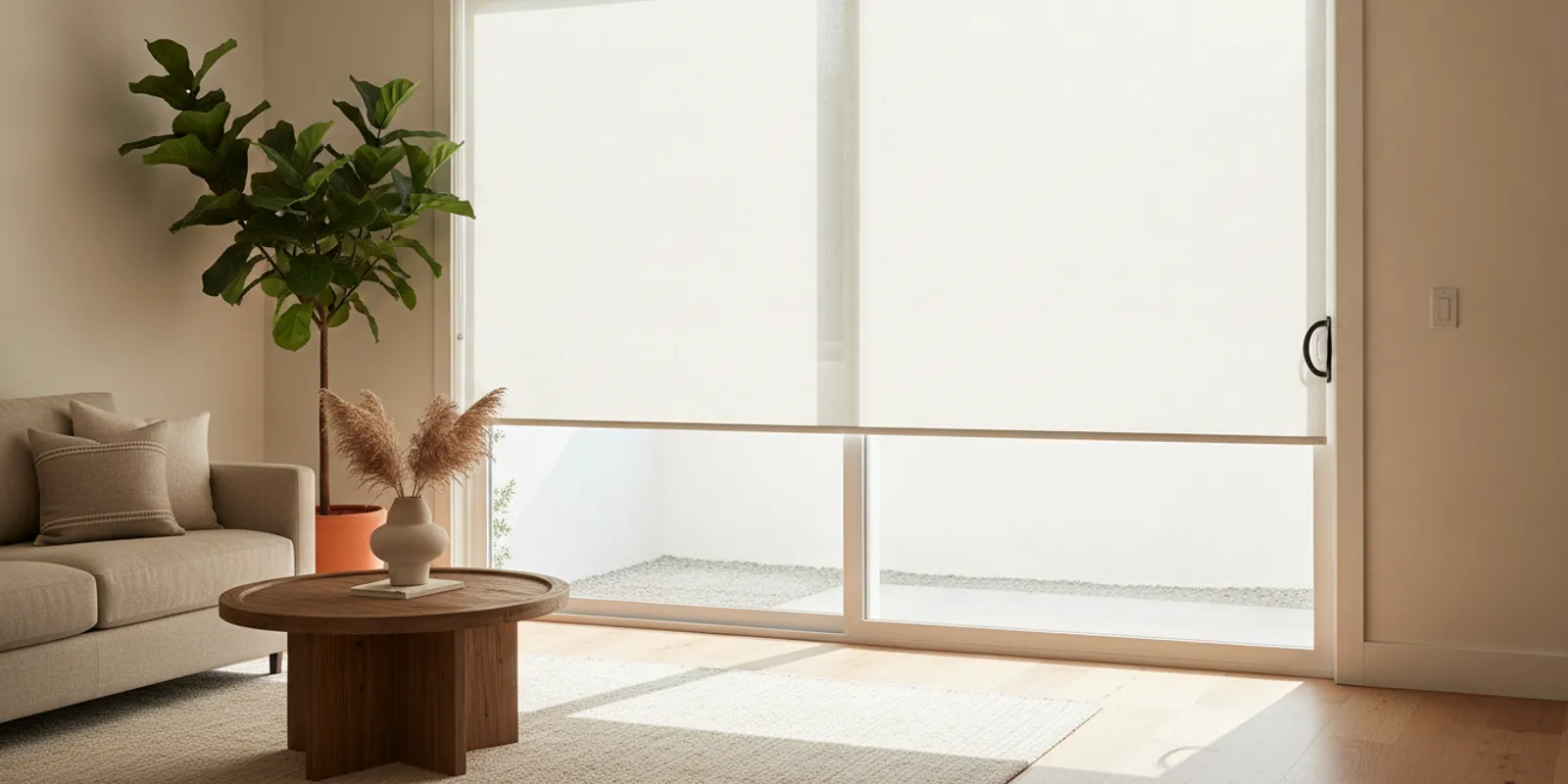
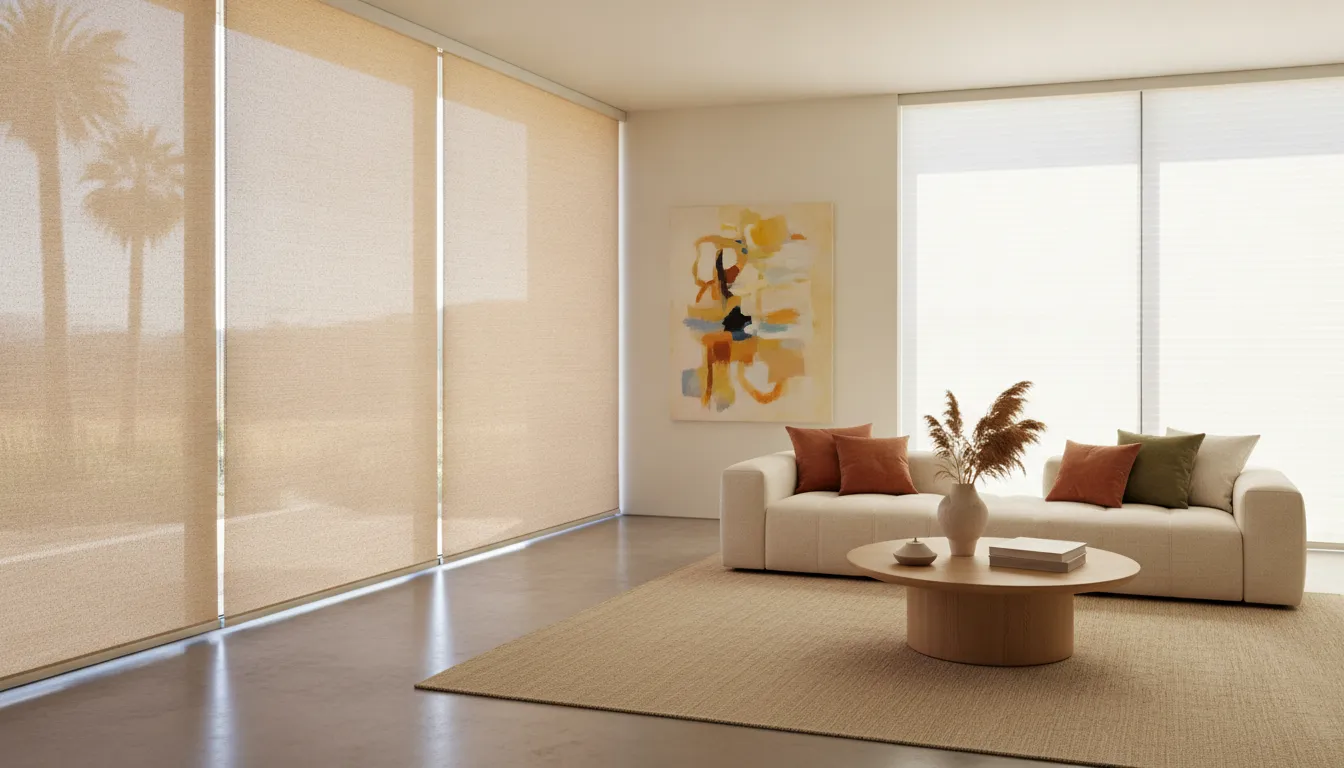
Solar shades are window coverings made from woven mesh fabric that filters sunlight before it enters a room. Unlike solid blackout shades, the mesh is designed to soften intense light while preserving some view-through. This makes solar shades especially useful in bright Southern California rooms where direct sun can fade furnishings, create screen glare, and raise indoor temperatures.
The fabric can help reject solar heat before it passes through the glass, reducing the intensity of sunlight on south- and west-facing windows. It also filters ultraviolet rays, which can contribute to fading over time. For a closer look at available styles, explore Vineyard Blind & Shutter's custom solar shades for windows.
Understanding Openness Factor
Openness factor describes how tightly the mesh is woven. It is expressed as a percentage, and the right choice depends on how much view-through and light control you want.
- 1% openness: A tighter weave provides stronger glare control and more daytime privacy, with a less open view.
- 3% to 5% openness: This range offers a practical balance between reducing sunlight and maintaining a clearer view outdoors.
- 5% to 10% openness: A more open weave allows greater visibility and natural light, while still filtering glare and UV exposure.
Some fabrics are available at openness levels up to 14%, offering a particularly open view. Higher openness generally means more light and visibility, while lower openness gives you a more filtered, private feel during the day. Your room's orientation, furnishings, screen use, and desired view should guide the decision.
UV and Glare Protection
Solar shades are a strong fit for home offices, living rooms, and media spaces where reflected sunlight makes screens difficult to see. They can reduce harsh glare without forcing you to close the room off completely. South-facing windows receive substantial sun throughout the day, while west-facing windows often create especially strong afternoon glare. In these locations, a lower openness factor may provide more comfortable light control.
Solar shades do not create complete nighttime privacy when indoor lights are on. If that is a concern, pair them with another window treatment or review this solar shades privacy guide before choosing a fabric.
How Do Cellular Shades Compare for Insulation?
Cellular shades, also called honeycomb shades, are built for thermal performance. Their layered fabric forms air pockets that trap air between the window and the room, creating an insulating barrier. That design helps make cellular shades a stronger choice when the priority is keeping indoor temperatures more consistent, rather than simply reducing glare.
Insulation and Energy Efficiency
The honeycomb structure acts as a buffer in both directions. It can help limit unwanted heat gain during hot weather and hold warm indoor air in during cooler weather. The U.S. Department of Energy notes that about 30% of a home's heating energy is lost through windows. Adding an effective window covering can support overall comfort and efficiency. energy.gov explains how window coverings affect energy use.
Single-cell shades use one layer of pockets and can provide meaningful insulation for many rooms. Double-cell shades add another layer of air pockets, increasing the separation between the glass and the living space. Depending on the product, double-cell construction can reach R-values of approximately R-2 to R-4, giving it an advantage when insulation is the deciding factor. The exact result depends on the window, installation, fabric, and how consistently the shade is used.
Cellular shades are not the same as the custom cellular shade options available from Vineyard Blind & Shutter. A free in-home consultation can help match the cell structure and fit to rooms that are difficult to heat, cool, or keep comfortable.
Light Control and Privacy Options
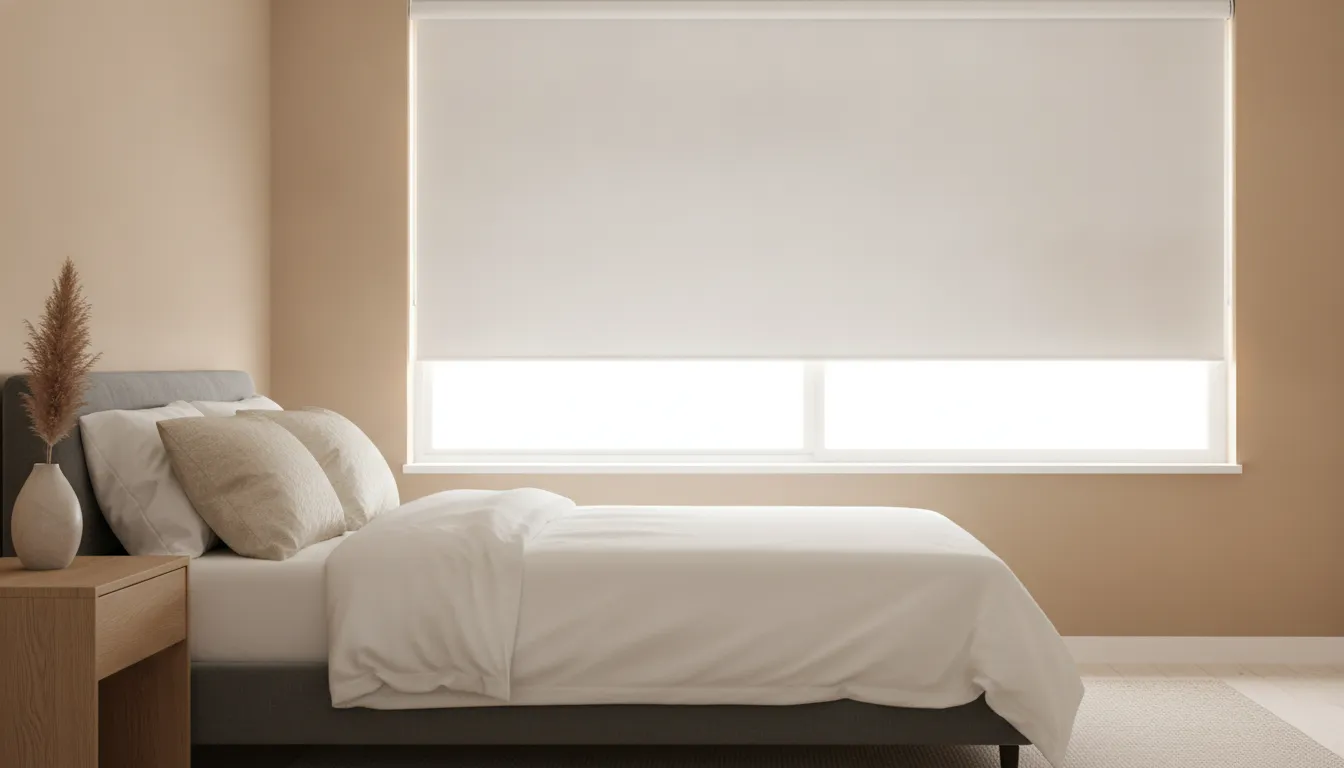
Insulation is only part of the decision. Cellular shades are available in light-filtering, room-darkening, and blackout fabrics, so the same basic design can serve different rooms. Light-filtering fabric softens daylight while preserving a bright feel. Room-darkening fabric reduces more incoming light, which can be useful in bedrooms and home offices. Blackout options can block up to 99% of incoming light, making them especially useful for bedrooms, nurseries, and media rooms.
For homeowners comparing solar shades for windows with cellular shades. The practical distinction is straightforward: solar shades emphasize glare control and an outward view, while cellular shades emphasize insulation and flexible light control. A mobile showroom visit lets you compare fabrics in your own rooms and lighting before choosing.
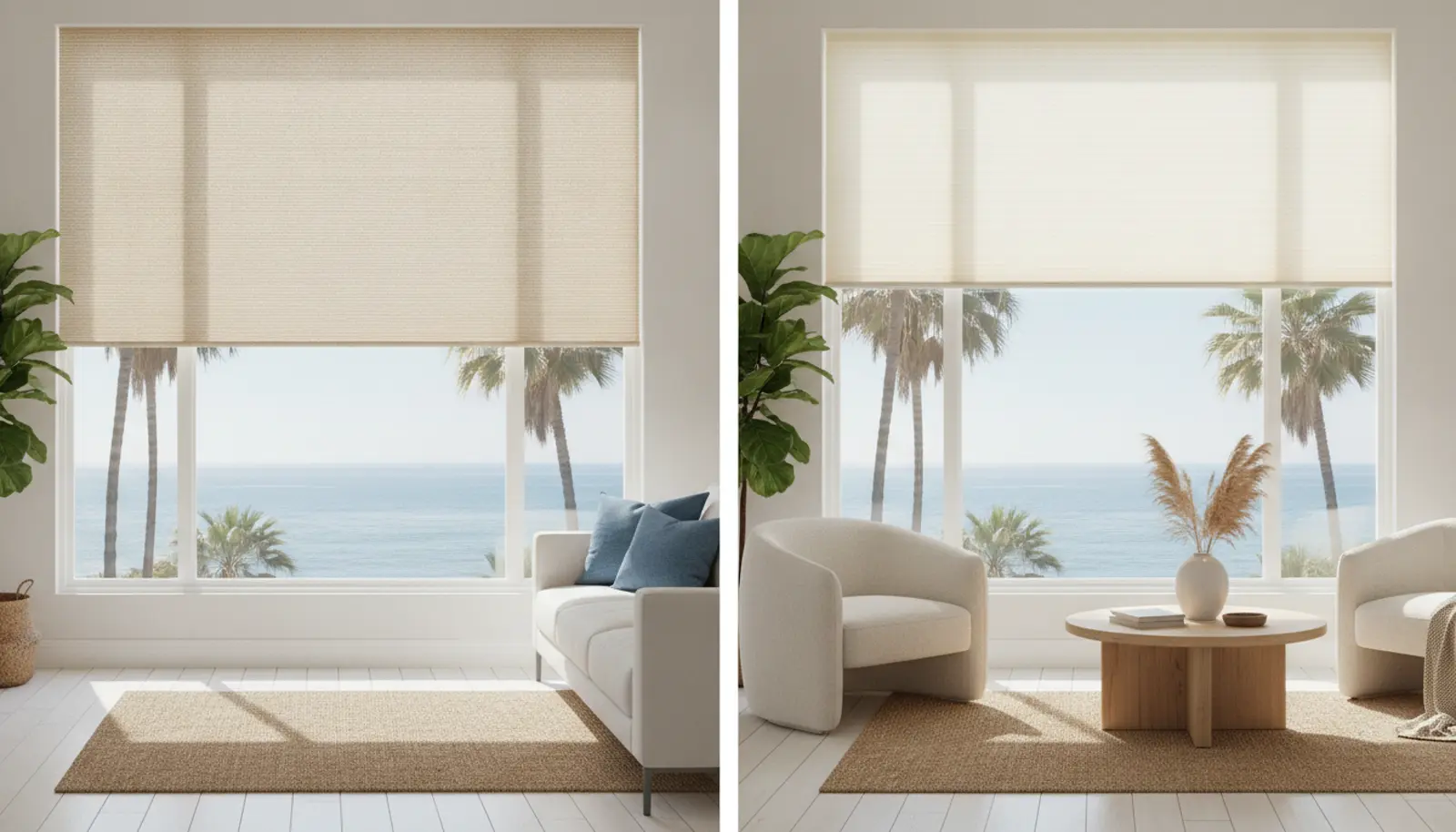
What Are the Key Differences Between Solar Shades and Cellular Shades?
Both options can make bright Southern California rooms more comfortable, but they solve different window problems. Use this comparison to match the shade to the room, the direction of the sunlight, and the level of privacy or insulation you need.
| Feature | Solar shades | Cellular shades |
|---|---|---|
| Heat rejection | Blocks much of the sun's heat before it reaches the glass, helping manage intense direct sun. | Traps air in honeycomb pockets, creating a thermal buffer that helps limit heat transfer. |
| UV protection | Specifically designed to filter sunlight and reduce UV exposure to furnishings. | Can filter UV rays, although its primary strength is insulation and light control. |
| Light control | Softens bright light while maintaining a degree of view-through, so the room stays open and naturally lit. | Available in light-filtering, room-darkening, and blackout fabrics for more control over brightness. |
| Privacy | Offers useful daytime privacy, but translucent fabric can reveal interior activity after dark when lights are on. See our solar shades for windows privacy guide for more detail. | Opaque and blackout options provide stronger privacy during both day and night. |
| Glare reduction | Usually the better choice for reducing reflections on televisions, monitors, and other screens. | Reduces incoming light, but is generally selected for insulation and darkness rather than preserving a clear view. |
| Best rooms | Living rooms, home offices, and sunrooms where views and afternoon sun matter. | Bedrooms, nurseries, and media rooms where darkness, privacy, and temperature control are priorities. |
| Insulation | Helps manage solar heat but does not create the same air-filled thermal barrier as a cellular structure. | Wins for thermal insulation because the honeycomb cells trap air and buffer heat transfer. |
The central tradeoff is simple: solar shades prioritize view-through, UV filtering, glare reduction, and direct solar heat rejection, while cellular shades prioritize insulation, privacy, and flexible light control. Solar shades are a strong fit when you want to keep a view beyond the glass. Cellular shades are often better when the room needs to stay darker, more private, or more stable in temperature. The right choice can also vary from room to room rather than requiring one shade style throughout the home.
Sources: solar and cellular shade comparison research and window shade design guidance.
What Are the Best Window Treatments for Southern California Homes?
Southern California homes face long cooling seasons, strong afternoon sun, and different conditions from coastal neighborhoods to inland communities. The right treatment depends on window direction, room use, and whether your priority is preserving a view, reducing glare, or improving temperature control. Because about 76% of sunlight that reaches standard double-pane windows can enter as heat during cooling seasons. Thoughtful shade selection can make rooms more comfortable and reduce strain on air conditioning. Strategic operation of window coverings also matters: close them when direct sun is strongest and open them when natural light is useful.
Best Options for South and West-Facing Windows
South- and west-facing windows often receive intense afternoon exposure. Solar shades are a strong choice for these locations because their screen-like fabric reduces glare and UV exposure while preserving an outward view. They work especially well in living rooms with ocean or mountain views, as well as home offices where reflected sunlight makes screens difficult to read. A moderate openness factor can balance visibility and sun control, while a tighter weave may be better when glare and heat are the primary concerns.
For homeowners comparing custom solar shades for windows, the best fabric is rarely chosen from a small sample under showroom lighting. Vineyard Blind & Shutter brings a mobile showroom to your home, so you can compare color, texture, and view-through in the actual light that affects each window. Call Vineyard Blind & Shutter at (951) 757-4188 for a free in-home consultation.
Best Options for Bedrooms and Living Spaces
Cellular shades are often better suited to bedrooms, nurseries, and media rooms where insulation and light control matter most. Their honeycomb pockets trap air, creating a buffer against heat transfer. Blackout options can block up to 99% of incoming light, supporting better sleep and reducing distracting brightness in media spaces. East- and north-facing rooms may also benefit when the main goal is steady temperature control rather than maintaining a wide view.
Living rooms and multipurpose spaces may call for a combination of priorities. Solar shades keep the room bright and help manage screen glare, while cellular shades provide softer light and stronger insulation. For more ideas, see these energy-efficient window coverings for Southern California homes.
Do Solar Shades Provide Privacy at Night?
Solar shades provide useful daytime privacy, but they do not offer complete privacy after dark. Their woven, translucent fabric is designed to reduce glare, filter sunlight, and preserve your view outside. That same openness means the privacy effect changes when your interior is brighter than the outdoors. With the lights on at night, people outside may be able to see activity, silhouettes, or furnishings through the shade.
The openness factor helps you choose the right balance. A 1% solar shade fabric allows less visibility than a more open 3%, 5%, or 10% fabric, so it can offer more privacy during the day. However, even a 1% fabric is not fully opaque and should not be treated as a nighttime privacy solution by itself. Window location matters, too. A front-facing room, bedroom, or window near a walkway may need more coverage than a private backyard window.
For a deeper look at this issue, read Vineyard Blind & Shutter's solar shades for windows privacy guide. It explains why the same fabric can feel private during the day but exposed after sunset.
Tips for Managing Nighttime Privacy with Solar Shades
You do not necessarily have to give up the view and glare control that solar shades provide. Consider these practical options:
- Layer solar shades with curtains: Keep the solar shade lowered during the day, then close the curtains when interior lights come on.
- Choose a dual-shade system: Pair a solar shade with a second shade that provides greater privacy or room-darkening when needed.
- Use blackout-backed cellular shades in bedrooms: Cellular shades with blackout backing can provide stronger nighttime privacy and light control in sleeping areas.
- Match the fabric to the room: A low-openness fabric may suit a street-facing window, while a more open fabric can work well where the outside view is the priority.
The best choice depends on the room, window orientation, nearby sightlines, and how you use the space after dark. A professional consultation can help you compare fabrics and layered options before ordering custom treatments.
Frequently Asked Questions
Do solar shades keep a house cooler?
Yes. Solar shades help reduce indoor heat by blocking a significant portion of solar heat gain before it reaches the glass. They are especially useful on sunny south- and west-facing windows, where glare and afternoon heat can make rooms uncomfortable. Cellular shades address the problem differently by slowing heat transfer through their honeycomb pockets.
How do solar shades compare to cellular shades for energy efficiency?
Solar shades are strongest at managing direct sun, glare, and UV exposure while preserving an outside view. Cellular shades are generally the better choice when insulation and temperature regulation are the main priorities because their honeycomb construction traps air and creates an insulating barrier. The best option depends on the window's exposure and the room's comfort needs.
Do solar shades provide privacy at night?
Usually, solar shades provide daytime privacy while allowing some view-through. After dark, interior lights can make it easier for people outside to see in, particularly with more open fabrics. Bedrooms and other private spaces may benefit from a room-darkening layer or a more opaque window treatment.
What openness factor should I choose for solar shades?
A 3% to 5% openness factor is a common starting point because it balances visibility with glare and sun control. A lower percentage provides more privacy and light reduction, while a higher percentage preserves more of the outdoor view. A consultation in your home can help you compare fabrics in the actual light.
Are solar shades better than cellular shades for Southern California homes?
Neither is universally better. Solar shades suit rooms with strong sun, screen glare, or valued views, while cellular shades are often better for bedrooms and spaces that need stronger insulation. Many Southern California homes benefit from using each treatment where its strengths match the window and room.
Ready to Choose the Right Shade?
Every Southern California home has different light, views, and comfort needs. A free in-home consultation can help you compare solar and cellular shades in your own rooms, with samples viewed in your natural lighting. Schedule a free consultation by calling (951) 757-4188. Vineyard Blind & Shutter can help you select a practical, attractive fit for each window.