Planning window shade installation in Corona involves more than choosing a fabric or color. The opening, mounting surface, light needs, and daily use of each room all affect the final fit. A clear process—from an in-home discussion through measuring, product selection, ordering, installation, and a final operating check—helps you make informed choices before the shades arrive.
Request a discussion about your window shade project
What happens during window shade installation in Corona?
Custom shade installation usually follows a sequence: identify what you need from each window, review product options, measure every opening, confirm the order, schedule installation, and inspect the finished fit and operation. Each stage matters. A shade that looks right in a sample but is ordered for the wrong mounting position may not fit or function as expected.
Q: What is the most important early step? A: Confirming each window’s dimensions, mounting conditions, and intended use before selecting the shade and finalizing the order.
Vineyard Blind & Shutter provides mobile service in Southern California, including Corona. The mobile window treatment service brings samples and measuring to the home, so you can consider materials and colors in the rooms where they will be installed. Free measuring and free installation are approved service features; confirm what applies to your particular project when discussing the order.
How can an in-home discussion help you choose?
Before looking at samples, describe what you want the treatment to do. Is the main concern daytime privacy, glare on a screen, a softer appearance, or a darker room for sleeping? Note when the sun reaches the window and whether you open it often. Also mention who uses the room and whether the shade needs to be easy to reach.
Seeing samples at home can make comparisons more useful than judging a small swatch under unfamiliar lighting. Hold a sample near the window and look at it at different times of day if practical. A warm neutral may appear cooler in bright daylight, while a dark fabric can look different beside pale walls or wood trim. Consider the view from both inside the room and, where appropriate, from outside.
- Identify the primary purpose for each window: privacy, glare control, filtered daylight, or appearance.
- Note whether an inside mount or an outside mount is being considered.
- Point out handles, locks, cranks, trim, furniture, and other possible obstructions.
- Decide whether windows in one room need matching shades or different controls.
- Ask how the fabric and operating system should be used and cared for.
It can help to review the company’s frequently asked questions before the appointment. Use that reading to prepare questions, not to assume that every product or installation detail will be the same for every opening.
How are windows measured for custom shades?
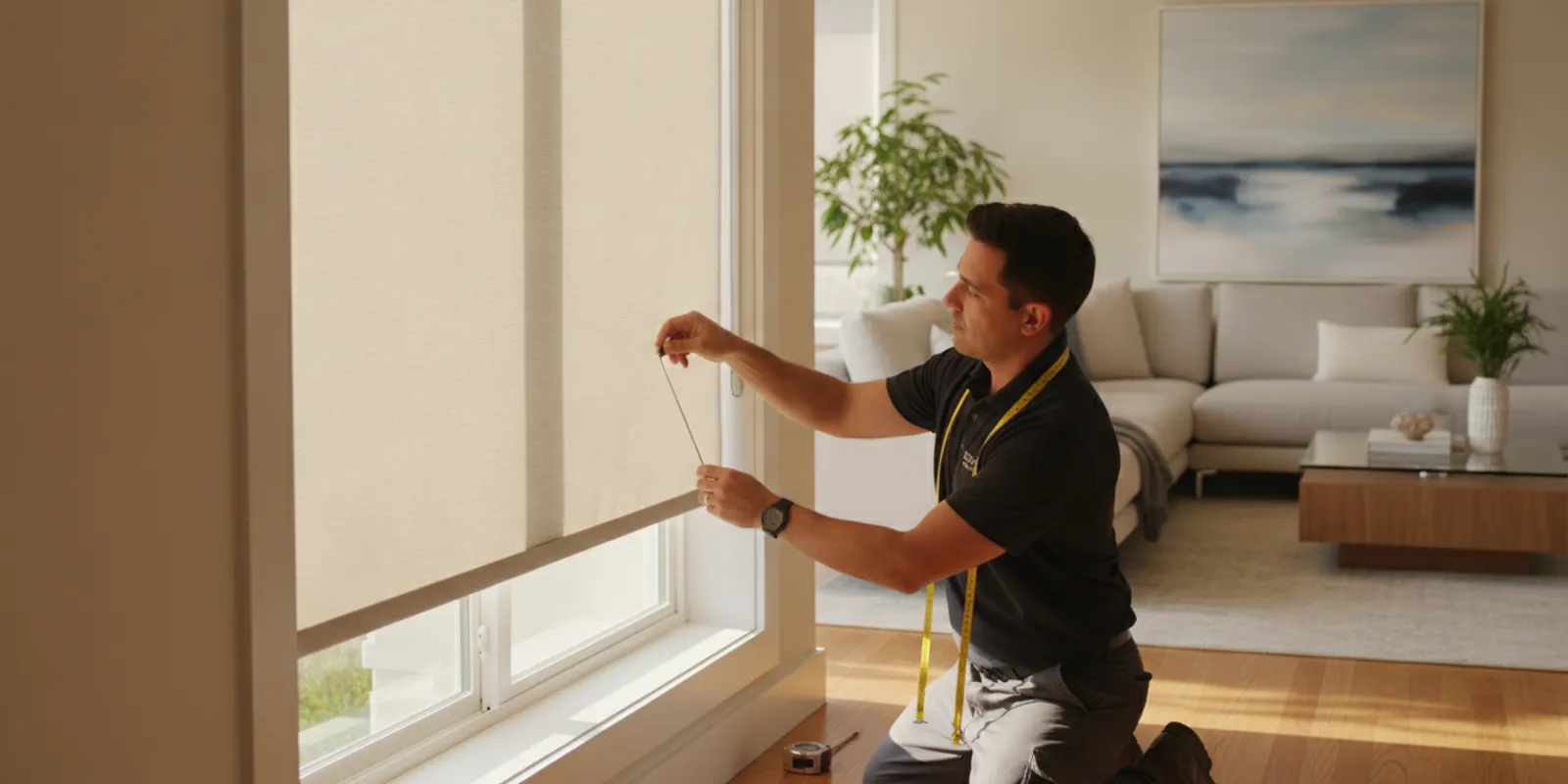
Accurate measuring is central to a good fit. Each opening should be checked individually rather than assuming windows that look alike have identical dimensions. For an inside mount, the available width, height, and frame depth matter. The selected hardware also needs enough room to sit correctly and operate without contacting handles or other features.
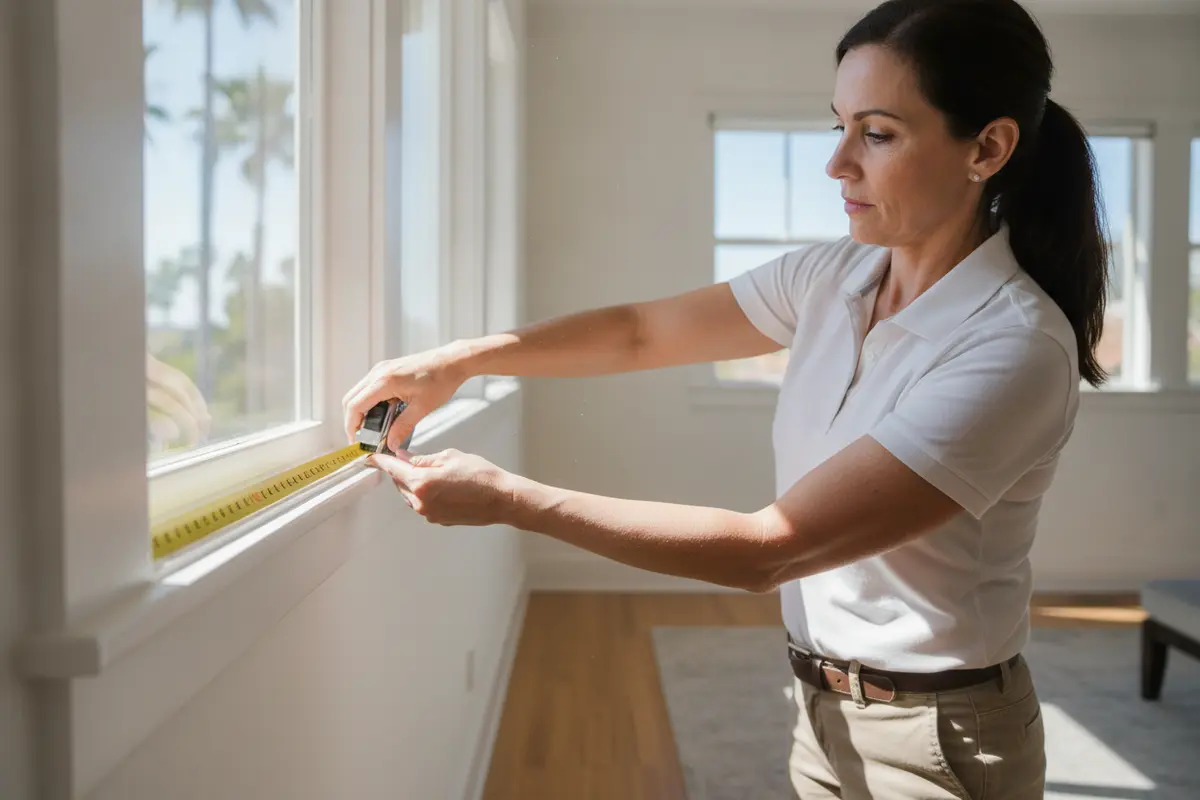
Mounting choice affects both appearance and clearance. An inside mount sits within the frame and can create a neat, built-in look, but the frame needs suitable depth and shape. An outside mount attaches above or beyond the opening. It may cover more of the surrounding area, but the installer must check available wall space, trim, and nearby features.
Tell the person measuring if a window tilts, slides, opens inward, or has an unusual shape. Point out anything that could interfere with the shade, including a crank, alarm sensor, deep sill, or furniture close to the wall. If several rooms are part of the project, label windows by room and location. Clear labels make it easier to match each measurement to a product and control side later.
Do not rely on rough measurements taken from another window or a builder’s plan as a substitute for checking the actual opening. Even a small difference can matter when a product is made to fit. If you are comparing proposals, find out who will confirm final dimensions and how unusual openings or mounting conditions will be documented.
Which shade details should you choose before ordering?
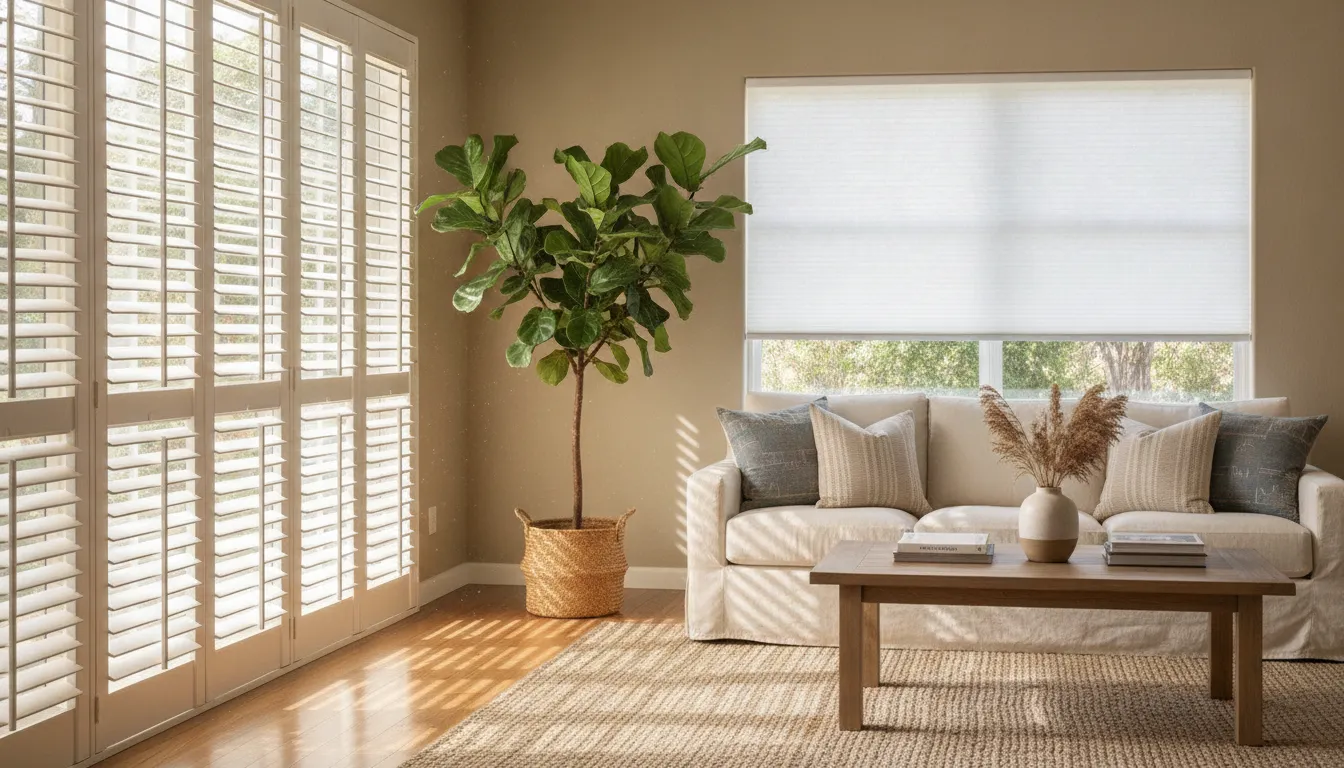
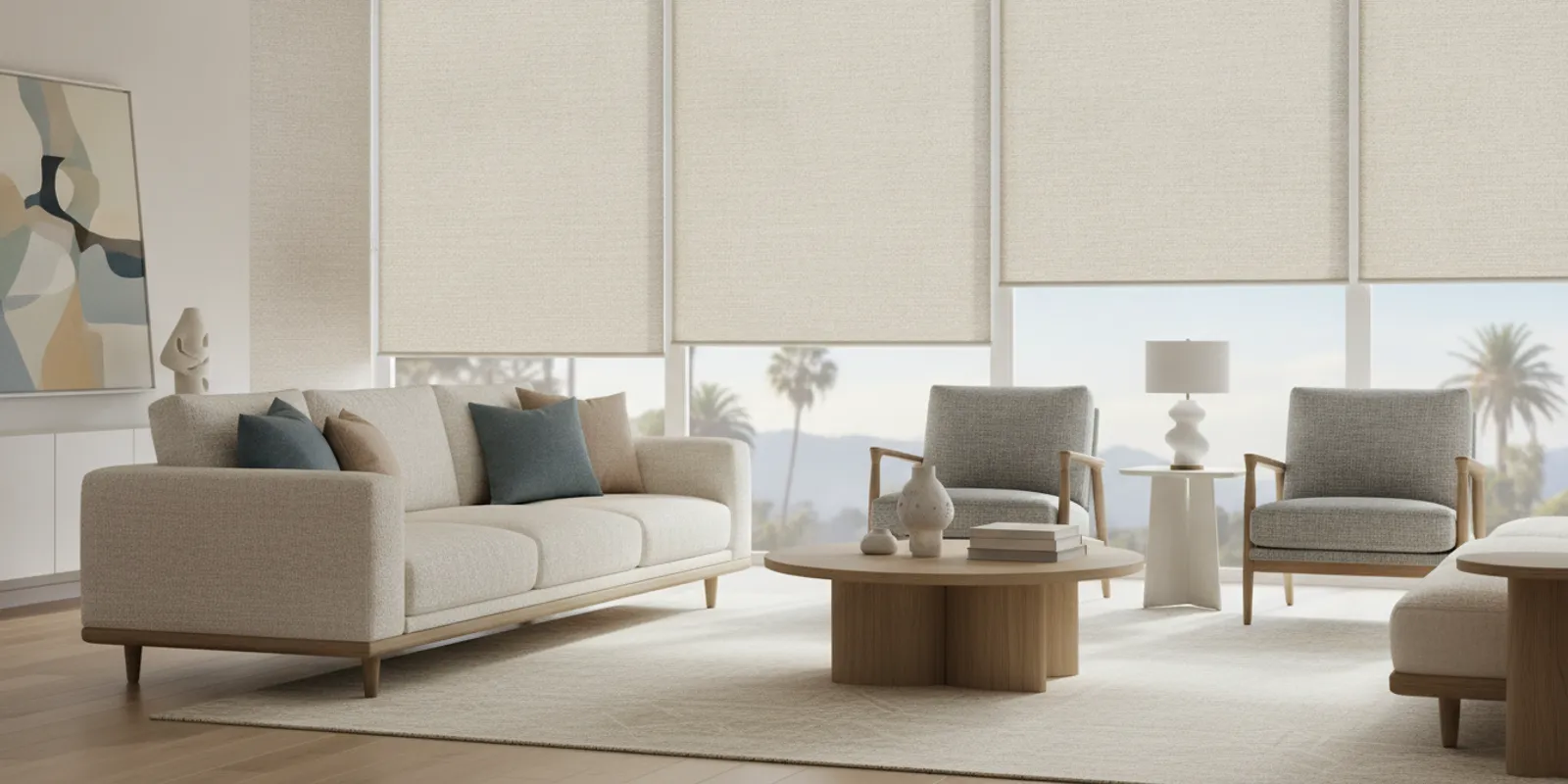
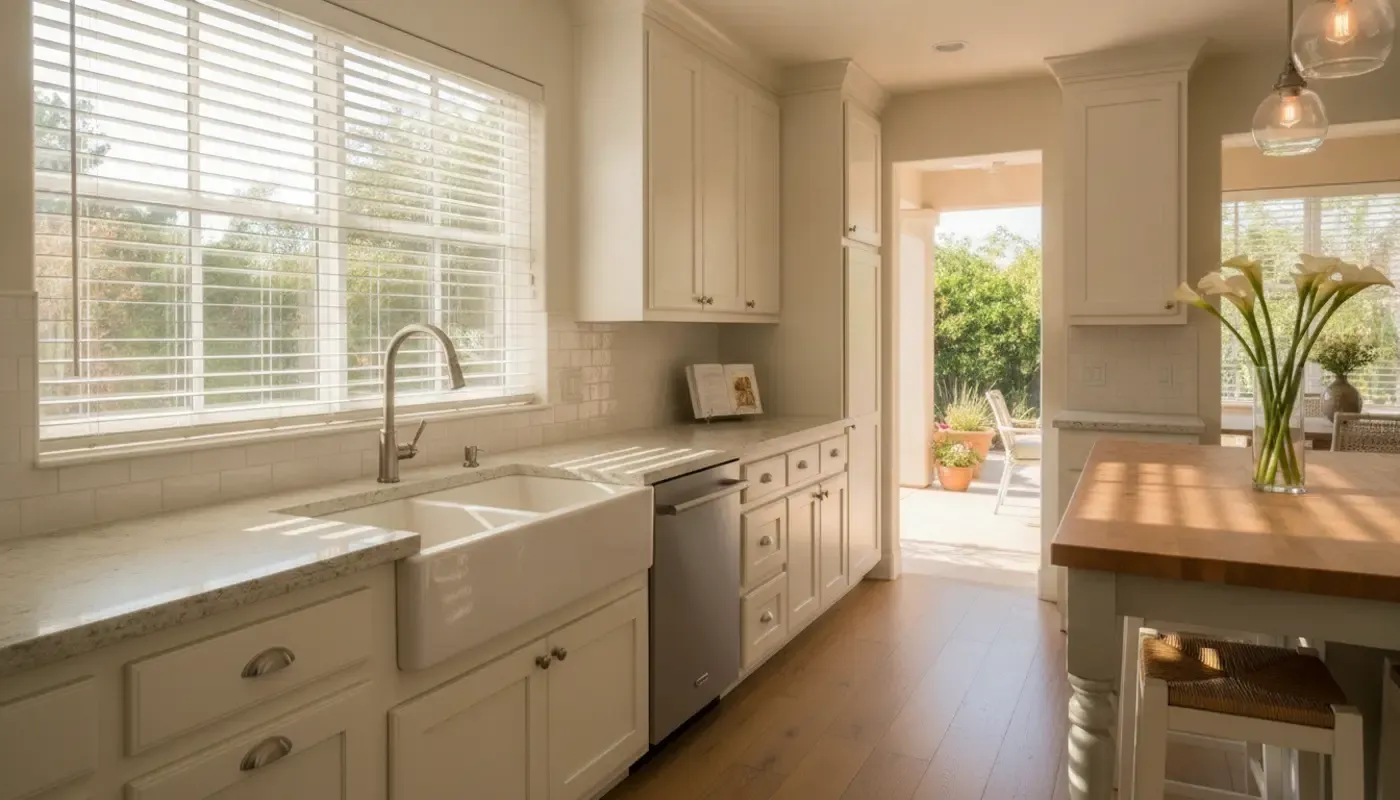
Once the openings and mounting conditions are understood, narrow choices by function, appearance, and operation. Roller shades offer a streamlined profile. Cellular shades have a structured profile, while woven materials add visible texture and Roman styles create soft folds. These categories have different looks and product details, so ask to see samples or product information for the styles that suit your room.
Be specific about the light you expect. Light-filtering materials soften incoming daylight. Room-darkening or blackout options are intended to reduce light, but labels alone do not tell you how much light may enter around the edges or how the shade performs in a specific installation. Do not assume a light-control label means a shade blocks heat. Glare and light control are separate from insulation or heat reduction; if thermal performance matters, request documented specifications for the exact product.
The U.S. Department of Energy provides general information about home energy use at its official website. Treat broad energy guidance as background rather than proof of a particular shade’s performance. Product-specific documentation and installation details are the right basis for evaluating a thermal claim.
Consider the operating style, too. Manual operation may suit a window used occasionally. Motorization can make a hard-to-reach window easier to operate, but it changes product selection and may require decisions about controls and power. Discuss those details before the order is placed. Review the company’s custom shade options and ask which products fit your window and priorities.
What should you confirm between measuring and installation?
After selecting a product, review the written order details before it is submitted. Confirm the room and window location, quantity, dimensions, fabric or color, light-control choice, mount, control type, and any special operating requirements. For a multi-room project, check that each selection is assigned to the correct opening. Do not assume that two similar windows have the same product or control side unless that is what you chose.
Ask for the expected manufacturing and delivery timeline for the products in your order. Custom timing can vary, so a general estimate should not replace the schedule for the actual selection. Keep a copy of your decisions and note any room-specific instructions. If a window has unusual trim or shape, make sure the detail is written down. If something changes after ordering, contact the company promptly to ask whether the change can still be made.
It is also useful to understand what is included in the installation scope. Ask whether the order includes measuring and installation, what preparation you should do, and how to raise a concern if the delivered product does not appear to match the order. Clear answers now make it easier to distinguish a selection question from a fit or operation issue later.
How can you prepare for installation day?
Before the appointment, move small items away from the windows and clear the immediate work area. Remove fragile objects from nearby surfaces and make room for safe access to each opening. If a large piece of furniture cannot be moved, mention it in advance so access can be discussed. Keep pets and children away from the work area while tools and window hardware are being handled.
If you are coordinating painting, flooring, or other work, consider the order of those jobs. Completing dusty work before shades are installed can help keep new materials clean. Tell the installer about any changes to the room or window since measuring, such as new trim, hardware, or furniture. Keep the order details available so you can refer to the chosen products and locations.
Installation time depends on the number of windows, product type, and access. Ask for an expected duration when scheduling rather than assuming every project takes the same amount of time. If the appointment covers multiple rooms, decide who can review each area and answer questions as the work proceeds.
What should you check after the shades are installed?
Before the installer leaves, operate every shade through its normal range. Raise and lower it, check that it moves smoothly and hangs level, and confirm the controls are reachable. Look at the top position and side gaps from inside the room. Check that the shade does not catch on a handle and that doors and windows still open as intended.
For motorized products, test the controls and ask how to operate the system. If a shade seems uneven, sticks, or does not respond as expected, point it out while the installer is present so it can be assessed. Ask for basic care guidance and keep product information somewhere you can find it. A short review of every opening is more useful than discovering a concern after the installer has left.
These checks are about confirming fit and operation, not expecting every fabric to look identical in all lighting. Fabrics and textures can appear different as daylight changes. If you have a question about the product’s specifications or care, refer to the information for the item you selected rather than general assumptions about an entire shade category.
How should you compare shade options and project costs?
There is no responsible one-price answer for every window shade installation in Corona. A custom project depends on the selected product and the details of the openings. As a broad market-range reference, custom window treatments may commonly fall around $250 - $600 per window, depending on product and configuration. That is not a quote or guaranteed price for a particular shade. Request a project-specific estimate based on the measured windows and selected options.
When comparing proposals, check that they cover the same openings, shade styles, operating systems, mounting approach, and installation scope. A lower total may reflect a different product, fewer included components, or a different service scope. Compare the written details instead of treating unlike options as equivalent.
| Planning factor | Why it affects the project | Question to ask |
|---|---|---|
| Window dimensions and quantity | Opening size and the number of shades change the materials and work involved. | Does the proposal list every window and its measurements? |
| Shade style and fabric | Materials, construction, appearance, and light control vary by product. | Which exact style, fabric, and light-control option are specified? |
| Mounting conditions | Frame depth, trim, and obstructions affect fit and hardware. | Is each shade specified for an inside or outside mount? |
| Manual or motorized operation | Controls and any power or setup needs depend on the chosen system. | What controls are included, and what setup is needed? |
| Installation scope | Access and project size affect the work and scheduling needs. | Are measuring and installation included in the stated scope? |
For a wider comparison of product categories, see the guide to blinds, shutters, and shades. It can help clarify whether shades are the right direction before you settle on a room-by-room plan. You can also look at the window treatment gallery for visual examples, while remembering that your own window dimensions and product choices determine the final result.
What can affect the schedule?
Scheduling depends on product availability, manufacturing, delivery, the number of windows, and access to the home. Custom shades are made to the specifications of an order, so they may not be ready immediately after measuring. Ask for the current expected timeline when placing the order and confirm the installation date once the product is ready.
If you are coordinating other home projects, share the sequence and any deadline you are working toward. In some cases, scheduling window treatments after dusty work is complete can help protect them. Avoid setting a firm completion date until the product and installation schedule have been confirmed. If timing changes matter, agree on how updates will be communicated.
Corona is within Vineyard Blind & Shutter’s stated service area in Riverside County. For details about coverage, consult the Southern California areas served page and confirm that your specific address can be scheduled.
How can you get ready for a measuring discussion?
A little preparation can make the conversation more efficient. Decide which rooms are priorities and note when privacy or glare is most noticeable. Inspiration photos can help explain a look you like, but focus on how you use each room rather than copying a style that may not suit the window. If you are unsure, bring up the competing priorities and ask what the available products can address. For example, a room used for video calls may need less glare at a particular time of day, while a bedroom may have different preferences for privacy and incoming light. Write down the difference instead of asking for one shade feature to solve every concern. If appearance is a priority, note nearby paint, flooring, and furnishings so you can compare samples in context. If ease of operation matters, point out which windows are difficult to reach and who will use the controls. For a project covering several rooms, decide whether you would rather keep one coordinated style throughout or choose products individually. You do not need to settle every detail before the appointment; a clear list of goals helps make the discussion specific and makes trade-offs easier to understand. Ask which decisions must be finalized before measuring, which can wait until you review product options, and what will be recorded on the order.
- List each room and the windows that need treatment.
- Write down times of day when glare or privacy is a concern.
- Identify openings that are hard to reach or operate.
- Consider whether you want a consistent finish throughout the home.
- Prepare questions about controls, cleaning, lead time, and installation.
- Set a project budget range for comparing complete options, not just individual samples.
When you are ready, a professional can review samples and measure the windows in place. Use the contact page to start a discussion about your project and ask what information would be useful before scheduling.
Call Vineyard Blind & Shutter at (951) 757-4188 to discuss your shade installation.
With careful measuring, clear product choices, and a final fit check, you can make window shade installation in Corona easier to plan and choose shades that suit how you use your home.