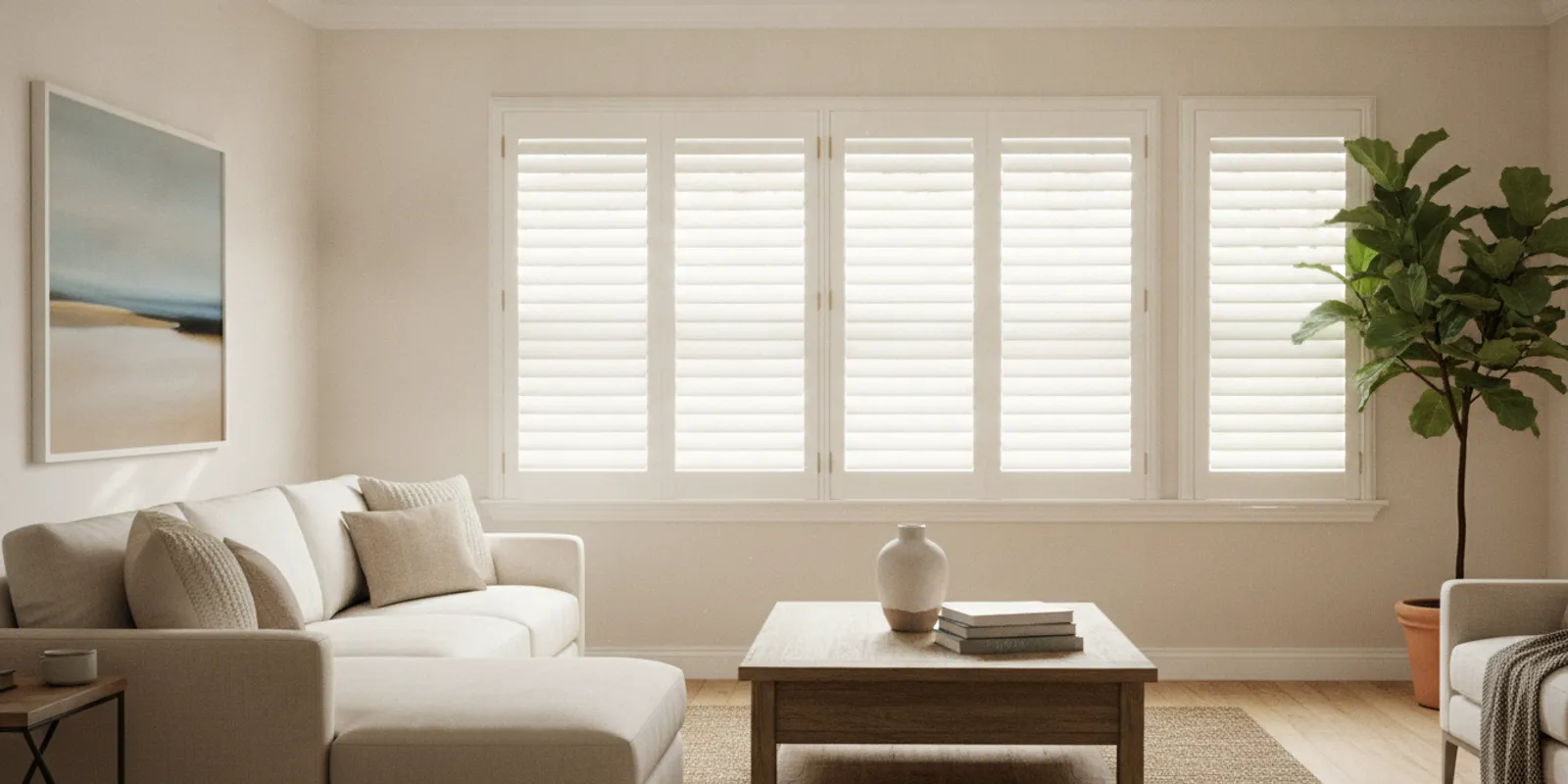
For homeowners asking, "are composite shutters durable," the short answer is generally yes, but the best result depends on the material, the room, and the installation. Shutters face more than everyday opening and closing. In Southern California, strong sunlight, inland heat, coastal moisture, busy kitchens, and bathroom humidity can all influence how a window treatment holds up. The right material should match the room, not just the color of the room.
Call Vineyard Blind & Shutter at (951) 757-4188 for a free consultation about durable shutters.
Yes, are composite shutters durable is a question with a generally positive answer. Composite shutters are engineered for consistent shape, strong moisture resistance, and lower maintenance than natural wood. They can be a practical choice for bathrooms, kitchens, and high-use windows. Polycore offers similarly strong heat and moisture resistance. Wood remains appealing for its warmth, but it may need more care in damp conditions.
Construction quality, accurate measuring, installation, and regular care also shape long-term performance.
Are Composite Shutters Durable in Everyday Use?
Composite shutters are built from engineered materials rather than a single piece of natural wood. Depending on the product, that construction may include PVC or wood-plastic blends. The goal is a more consistent material that holds its shape while requiring less maintenance than traditional wood. That makes composite a practical choice for rooms where window coverings face moisture, sunlight, frequent handling, or everyday bumps.
Engineered construction helps control moisture and movement
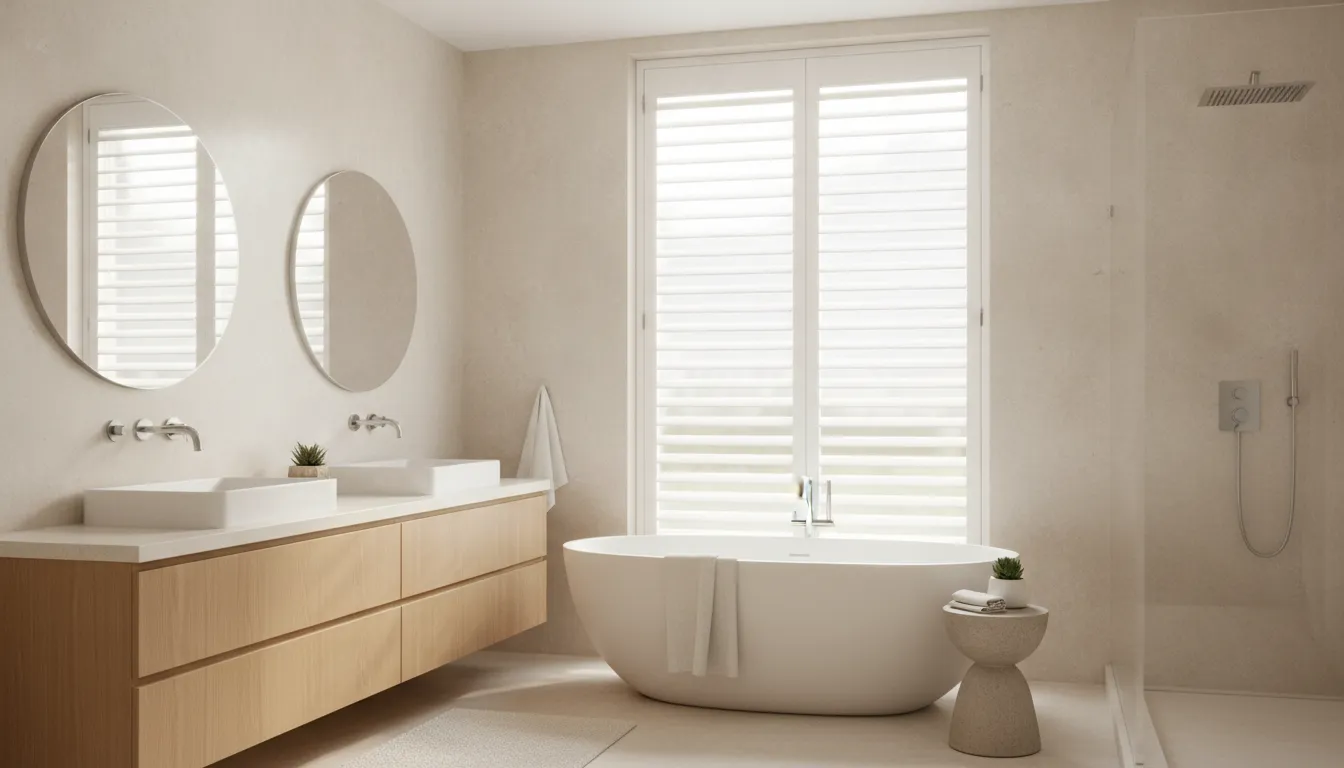
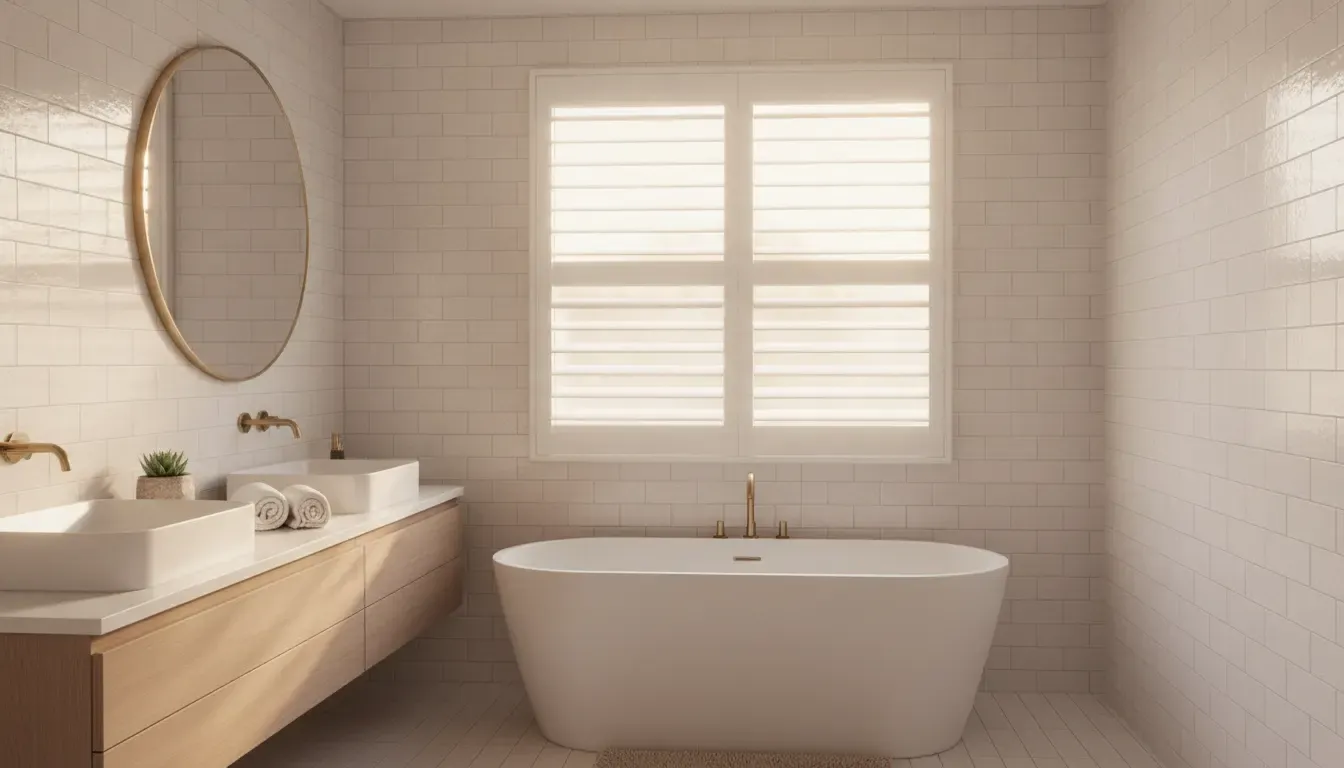
Bathrooms and kitchens expose shutters to humidity, steam, splashes, and changing temperatures. Composite shutters are generally highly durable and moisture resistant, which is why they are often considered suitable for high-humidity rooms. Compared with traditional wood, composite is generally less prone to moisture-related warping or cracking. Natural wood can still be an excellent choice, but it needs the right finish and room conditions to perform well over time.
This does not mean composite should be treated as completely impervious. Water should not be allowed to collect on the frame, louvers, or sill. Ventilation and routine cleaning still matter. Material quality also varies, so the internal construction, finish, hardware, and fit deserve as much attention as the label on the product.
Heat, sunlight, and daily wear still matter
Southern California homes can expose interior shutters to strong sunlight and heat, especially at windows with long afternoon exposure. A well-made composite product is designed to maintain its shape and integrity under normal use, reducing the adjustments or repairs that natural wood may require. It also provides a low-maintenance surface for households where shutters are opened and closed every day, or where pets and children increase the chance of contact and impact.
Durability means handling years of ordinary use without becoming difficult to operate or losing a consistent appearance. Wipe away dust and moisture, avoid excessive force, and address loose hardware early. Even moisture-resistant materials need ventilation and routine care.
Installation quality is part of the material choice
Even a durable shutter can underperform if it is measured incorrectly or installed out of square. Poor alignment can place unnecessary stress on hinges, frames, and louvers. Professional measuring and installation help ensure that the shutter fits the opening, operates smoothly, and receives appropriate support. For that reason, compare the quality of the product and the installation plan together, rather than judging durability from material alone.
How Do Composite, Wood, and Polycore Shutters Compare?
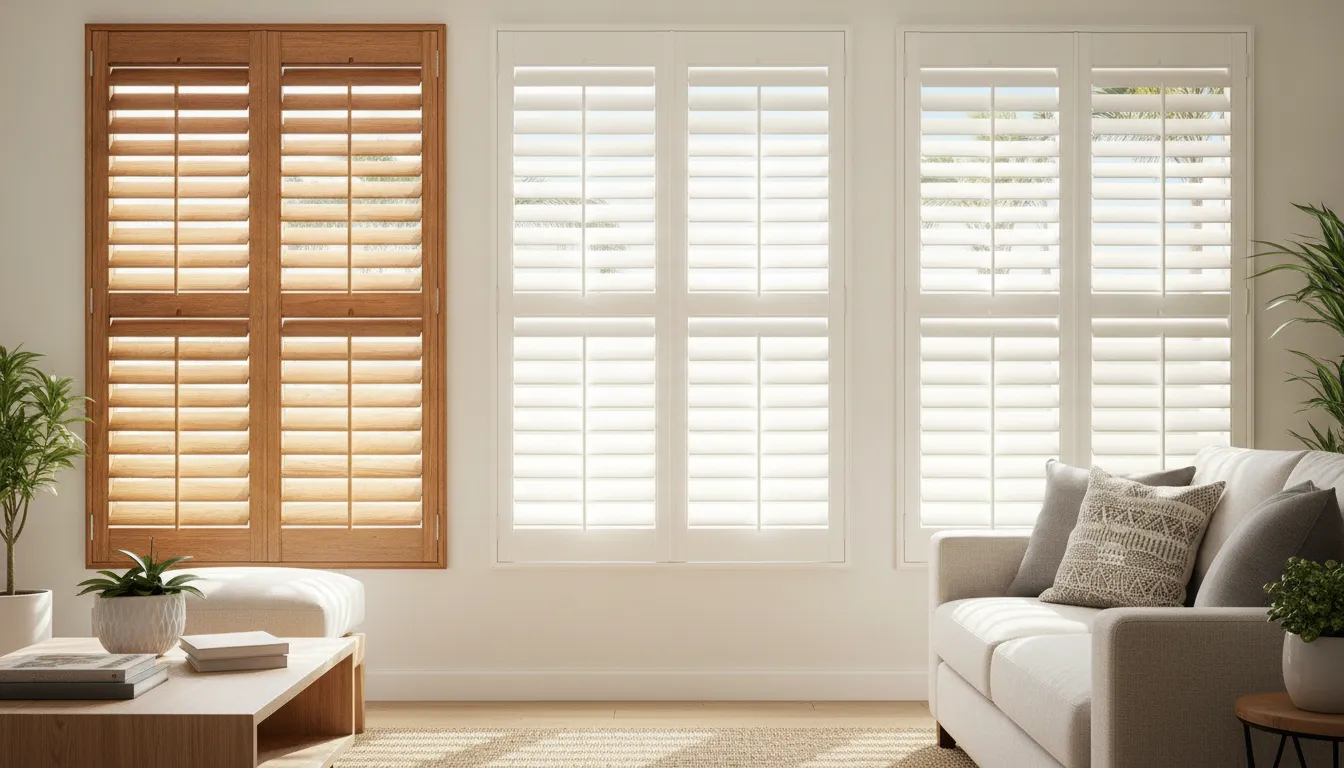
All three materials can be a strong choice. Compare where each performs well, how much care it needs, and whether its appearance fits the room.
| Factor | Composite | Natural wood | Polycore |
|---|---|---|---|
| Moisture and warping | Generally moisture resistant and less prone to warping or cracking than traditional wood. | Can warp in high-moisture areas if not properly finished and maintained. | Highly resistant to heat and moisture, making it well suited to demanding rooms. |
| Southern California heat and UV | Engineered construction helps maintain shape, but product finish and exposure still matter. | Offers natural beauty, though direct sun and heat call for careful finish selection. | Designed for strong heat and moisture resistance, a practical advantage in sunny rooms. |
| Scratches and daily wear | A durable option for busy homes, although no finish is scratch-proof. | Can be repaired or refinished in some cases, but visible wear may require more attention. | Enhanced durability makes it a popular fit for high-traffic windows. |
| Maintenance | Consistent, low-maintenance alternative to natural wood. | Typically needs more regular care, especially in humid conditions. | Generally low maintenance, with routine dusting and gentle cleaning still required. |
| Appearance | Clean painted finishes with a consistent look. | Distinct grain, warmth, and a premium stained or painted appearance. | Painted-wood look with a durable construction. |
| Best-fit rooms | Bathrooms, kitchens, family rooms, and other areas where moisture and everyday use are concerns. | Living rooms, dining rooms, bedrooms, and spaces where natural warmth is the priority. | Bathrooms, kitchens, sunny rooms, and high-traffic areas. |
So, are composite shutters durable? Generally, yes. Engineered PVC or wood-plastic materials offer a consistent, low-maintenance alternative to natural wood, and composite shutters are generally more resistant to moisture-related warping or cracking. That does not make them indestructible. Finishes, hardware, cleaning habits, window exposure, and installation quality all influence daily performance.
Natural wood remains the strongest choice when authentic grain and visual warmth lead the decision. It deserves more caution around bathrooms, kitchens, and other humid locations. Polycore provides a painted-wood appearance while emphasizing heat, moisture, and high-traffic durability. For a closer look at available custom plantation shutters, compare the room's conditions with the finish and construction before choosing.
The practical test is simple. Choose the material that matches the room's moisture, sunlight, traffic, and design demands, then have the window measured accurately. Professional installation helps each shutter operate correctly and reduces avoidable strain on the frame and hardware.
Are Composite Shutters Good for Southern California Homes?
Composite shutters can be a practical fit for many Southern California rooms because they handle everyday moisture and temperature changes with less risk of warping or cracking than traditional wood. That makes them especially useful where splashes, humidity, bright sun, or frequent cleaning are part of normal life. The best choice still depends on the room, the window, and the quality of the product and installation.
Bathrooms and kitchens
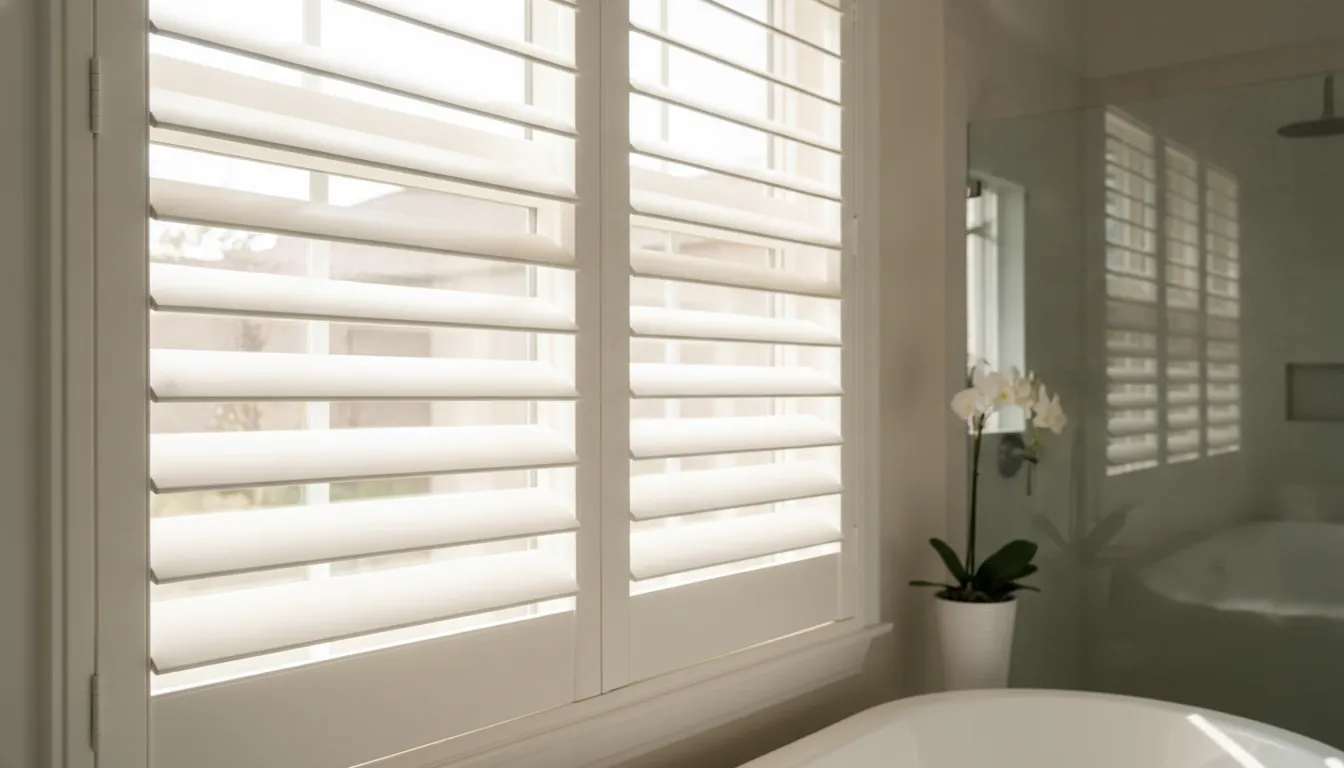
Bathrooms are one of the clearest use cases. Composite shutters are generally durable and moisture resistant, so they can perform well near showers, sinks, and tubs. In kitchens, they also offer a low-maintenance alternative to natural wood, which can be more vulnerable to moisture if it is not properly finished. Moisture resistance is not permission to soak the shutters, however. Wipe away splashes, dry the sill, and avoid directing steam or spray at the louvers and frame.
Sunny inland rooms and coastal moisture
In sunny inland rooms, the material's shape stability can be valuable, particularly on windows exposed to strong afternoon light and heat. Polycore is another option worth comparing because it is highly resistant to heat and moisture, supporting long-term performance in Southern California. Composite does not eliminate every effect of exposure, though. Finish quality, ventilation, proper sizing, and careful operation all influence how well a shutter looks and functions over time.
Near the coast, damp air can make moisture management more important even when rain is not reaching the window. Keep rooms ventilated and inspect corners, frames, and areas where dust or condensation may collect. Research has identified mold susceptibility as a possible factor for some rigid PVC and wood-flour composites under certain environmental conditions. So a moisture-resistant product should still be kept clean and allowed to dry.
Children, pets, and daily use
In homes with children or pets, composite and Polycore shutters can make sense in high-use rooms. Their engineered construction is designed to maintain shape and integrity, reducing adjustments compared with natural wood. Choose appropriately sized louvers, operate them without forcing the tilt mechanism, and address loose hardware or impact damage promptly. A professional measure and installation help ensure the frame sits correctly, which supports smooth operation and long-term durability.
Vineyard Blind & Shutter serves homeowners in Riverside, San Diego, and Orange counties. An in-home consultation lets you compare materials in your own light and evaluate ventilation, moisture, and everyday traffic before choosing. Learn more about the Southern California service areas and the company's local, veteran-owned approach.
How Long Do Composite Shutters Last?
There is no single guaranteed number of years for every composite shutter. Its useful life depends on product quality, the room where it is installed, daily operation, sunlight and moisture exposure, cleaning habits, and the accuracy of the original measuring and installation. A well-made shutter that is correctly fitted and cared for can remain a long-term window treatment, but a fixed lifespan promise would ignore those important variables.
Composite shutters use engineered materials such as PVC or wood-plastic blends. This gives them a consistent, low-maintenance alternative to natural wood for bathrooms and other humid rooms. Confirm the manufacturer's care guidance before installation.
Long-term performance still depends on the environment. A bathroom shutter is not immune to damp conditions. Standing water, poor ventilation, and neglected buildup can affect surrounding components.
Material durability is also different from the life of the finish and hardware. Louvers and frames may retain their shape while paint wears, hinges loosen, or tilt hardware needs adjustment. No shutter is maintenance-free, and moving components experience the most direct wear.
Signs a shutter needs service or replacement
- Panels sag, bind, or no longer close evenly after a simple adjustment.
- Louvers remain loose, fail to tilt together, or show cracks around their attachment points.
- You see persistent swelling, mold, water damage, or separation near a damp opening.
- The finish is peeling or badly discolored, and cleaning or a professional repair cannot restore it.
- Hardware is repeatedly failing or replacement parts are no longer practical to source.
Regular dusting, gentle cleaning, prompt attention to loose hardware, and professional installation all help protect the investment. If a shutter is showing one of these symptoms, have the panel, frame, and hardware assessed together before replacing the entire treatment. That approach separates a serviceable component issue from genuine material failure and gives you a more honest answer about the remaining life of the shutter.
How Should You Maintain Composite Shutters?
Composite shutters are designed for easier upkeep than many natural wood options, but durable does not mean maintenance-free. Regular dust removal, controlled moisture, and early attention to small hardware problems help preserve the finish and keep the panels operating smoothly. A simple routine is especially useful in bathrooms, kitchens, and busy rooms where humidity, cooking residue, and frequent handling can add wear.
Composite shutters are generally moisture resistant and suitable for high-humidity areas such as bathrooms, but avoid treating them as waterproof. Keep standing moisture and neglected buildup under control with ventilation and prompt drying.
A repeatable cleaning and inspection sequence
- Dust the surfaces first. Close the louvers and use a soft, dry microfiber cloth or a clean duster. Work from the top down, then reverse the louvers and repeat. This removes loose grit before it can be dragged across the finish.
- Wipe spots with minimal moisture. For fingerprints or light residue, slightly dampen a soft cloth with clean water and wring it out thoroughly. Wipe the affected area, then dry it with a second cloth. Do not saturate the frame, louvers, or joints.
- Control room moisture. Use bathroom ventilation during and after showers, and wipe away condensation that collects on nearby surfaces. In kitchens, remove grease before it hardens. Good airflow reduces the conditions that allow moisture-related buildup to persist.
- Inspect movement and alignment. Open and close the panels gently. Check for rubbing, uneven gaps, loose hinges, or louvers that no longer hold their position. Composite materials are engineered to maintain shape and integrity, but hardware and installation can still require service.
- Arrange professional help for defects. Stop forcing a panel that binds or hangs unevenly. A professional can assess hinges, frames, magnets, and fit without damaging the shutter. Proper measuring and installation also support long-term performance.
What should you avoid?
- Do: Dust routinely, use a soft cloth, dry damp areas, and address ventilation problems.
- Do not: Use abrasive pads, harsh chemicals, soaking sprays, steam cleaners, or excessive force on the louvers and hardware.
- Do: Pay closer attention to bathrooms, kitchens, coastal humidity, and windows exposed to frequent condensation.
This routine keeps everyday wear manageable and helps you catch fit or hardware issues early. For more involved problems, professional service is safer than attempting to realign the installation yourself.
Are Composite Shutters Durable Enough for Your Room?
Choosing a shutter material is less about finding one universal winner and more about matching the room's conditions, your design priorities, and your budget. Composite shutters are often a practical choice for bathrooms, kitchens, and other spaces where moisture is a concern. They use engineered materials such as PVC or wood-plastic blends, giving them a consistent, lower-maintenance alternative to natural wood. Composite shutters are generally resistant to moisture and less prone to warping or cracking than traditional wood shutters, although product quality and installation still matter.
Natural wood may be the better fit when warmth, grain, and a rich stain are central to the room's design. It can create a distinctive, furniture-like finish in living rooms, bedrooms, dining rooms, and offices. However, wood needs more care in humid settings and can warp if it is not properly finished or installed in a high-moisture area. That does not make wood a poor choice. It means the room and the finish should be considered together. For more detail, see this guide to choosing between composite and wood shutters. You can also review custom window shades when a softer, fabric-based treatment may suit the room better.
Polycore is worth considering when a window faces demanding heat, moisture, or frequent everyday use. It offers the painted-wood appearance many homeowners want with enhanced durability for high-traffic or high-humidity windows. That can make it a strong option for busy family rooms, kitchens, bathrooms, and sunny Southern California exposures. Polycore is highly resistant to heat and moisture, but it is not automatically the right answer for every style or budget.
- Choose composite when low maintenance and moisture resistance are priorities.
- Choose natural wood when warmth, grain, and a premium finish matter most.
- Choose Polycore when heat, humidity, pets, children, or heavy daily use raise the performance demands.
Precise measuring and professional installation help any shutter perform properly over time. Vineyard Blind & Shutter brings a mobile showroom to your home. So you can compare materials in the room's actual light and evaluate how each finish works with your decor. The team provides free in-home consultation, measuring, and installation throughout San Diego, Riverside, and Orange counties. Explore custom plantation shutters, review custom blinds and window treatments, and discuss the best match for each room.
Frequently Asked Questions
Are composite shutters more durable than wood shutters?
For many Southern California rooms, yes. Composite shutters are engineered to resist moisture and are generally less prone to warping or cracking than traditional wood. Wood still offers natural warmth and can perform well when properly finished, but composite is often the more forgiving choice in damp rooms or high-use areas.
Do composite shutters resist moisture better than wood?
Generally, composite handles moisture better than natural wood, which is why it can suit bathrooms, kitchens, and other humid spaces. That does not mean the product should stay wet. Wipe up condensation or splashes, keep the room ventilated, and follow the manufacturer's cleaning guidance.
How long do composite shutters last compared to other materials?
There is no universal lifespan because exposure, construction quality, operation, and installation all affect service life. Composite materials are designed to maintain shape and integrity over long periods. Polycore is also highly resistant to heat and moisture, while finished wood requires closer attention in humid conditions.
What maintenance do composite shutters require?
Routine care is usually simple: dust the louvers, wipe them with a soft damp cloth, dry moisture promptly, and check that hinges, tilt bars, and panels operate smoothly. Avoid abrasive cleaners and excessive water. Keep an eye out for persistent dampness or visible mold, since environmental conditions can affect some PVC and wood-flour composites.
Ready to Choose the Right Shutter?
Seeing materials in your home's own lighting can make the differences between composite, wood, and Polycore easier to evaluate. A professional conversation can also help you match the shutter to each room's moisture, heat, and everyday-use needs. When you are ready to compare options, use the contact page to request information from Vineyard Blind & Shutter.