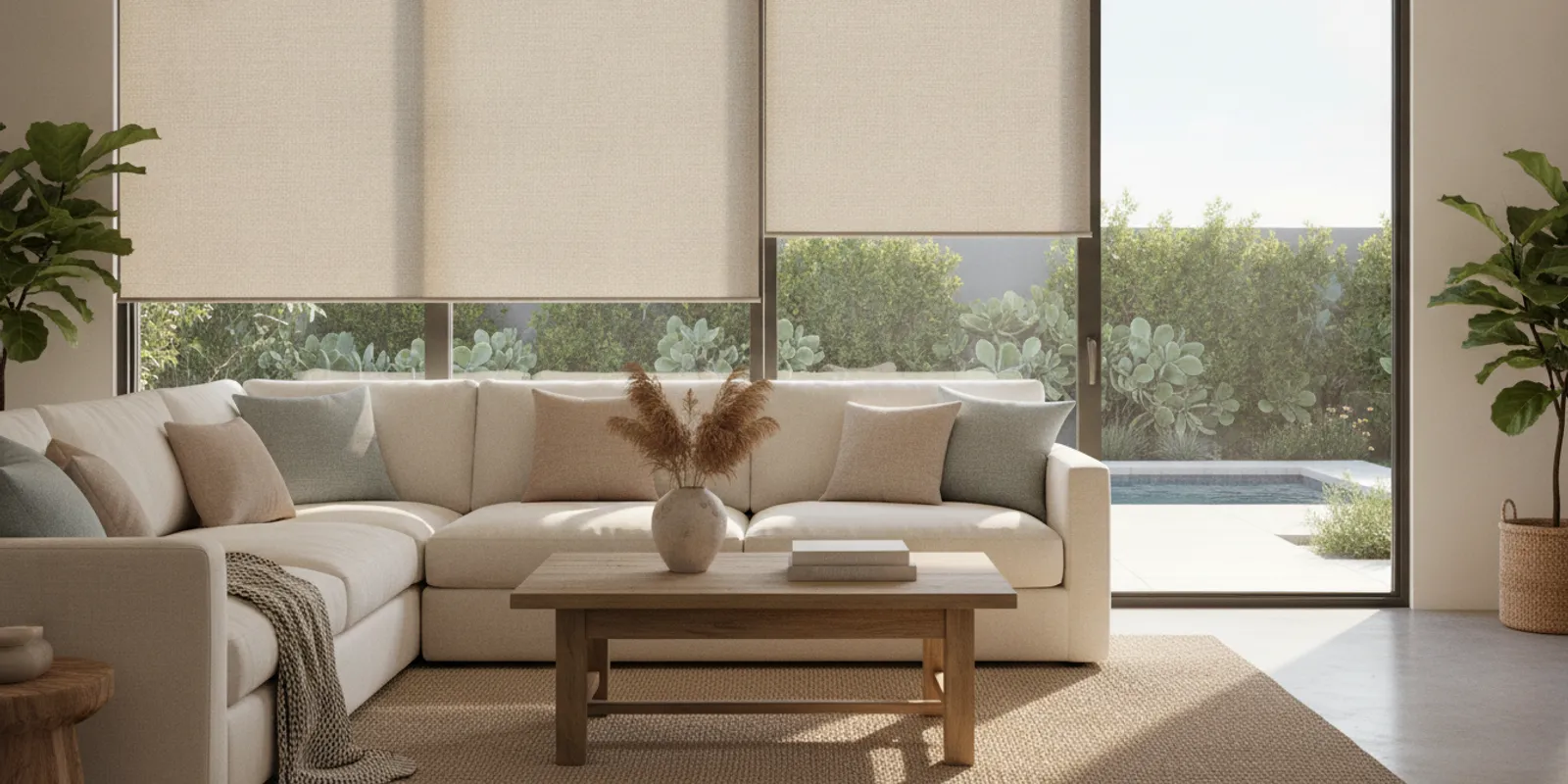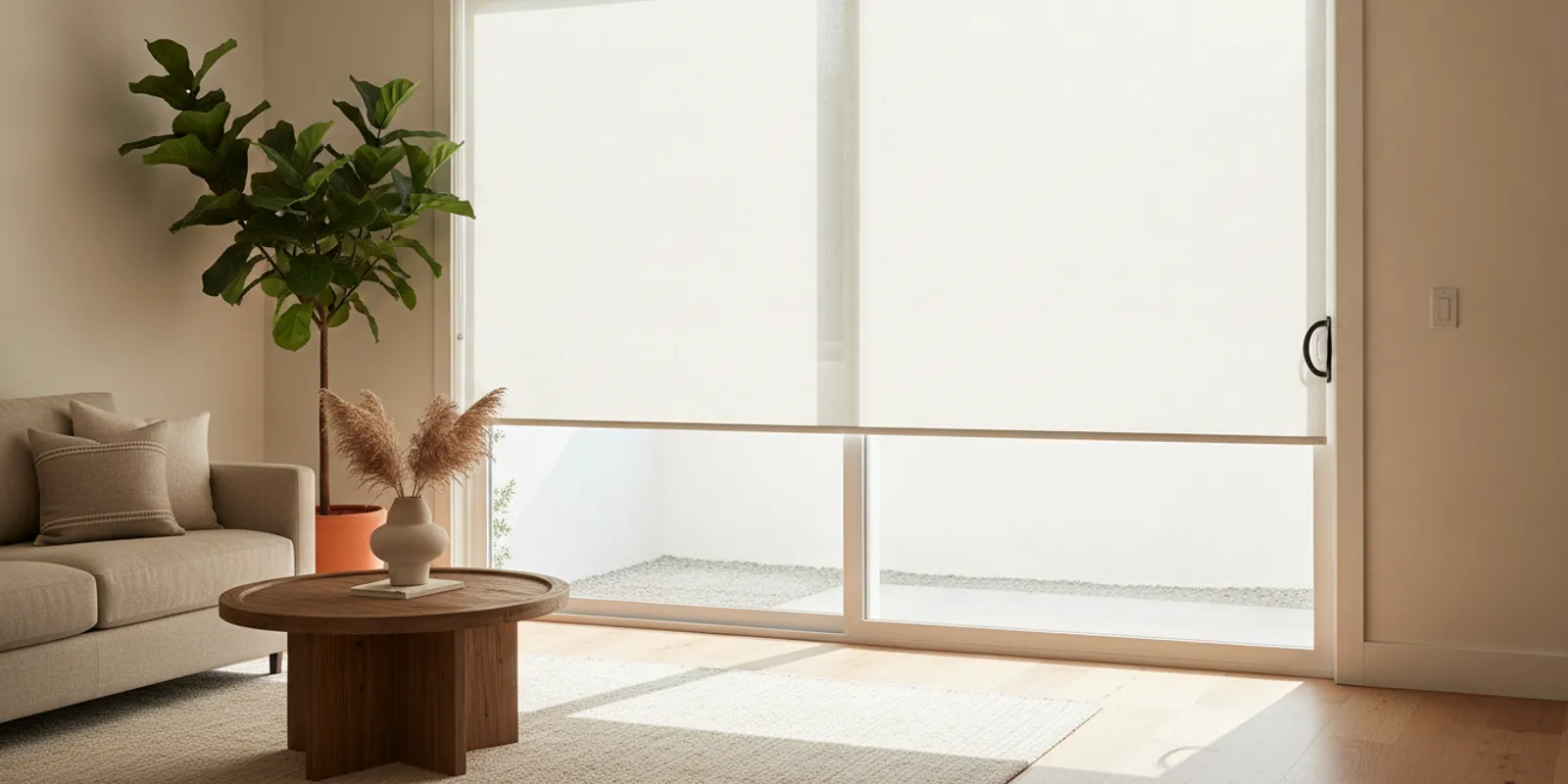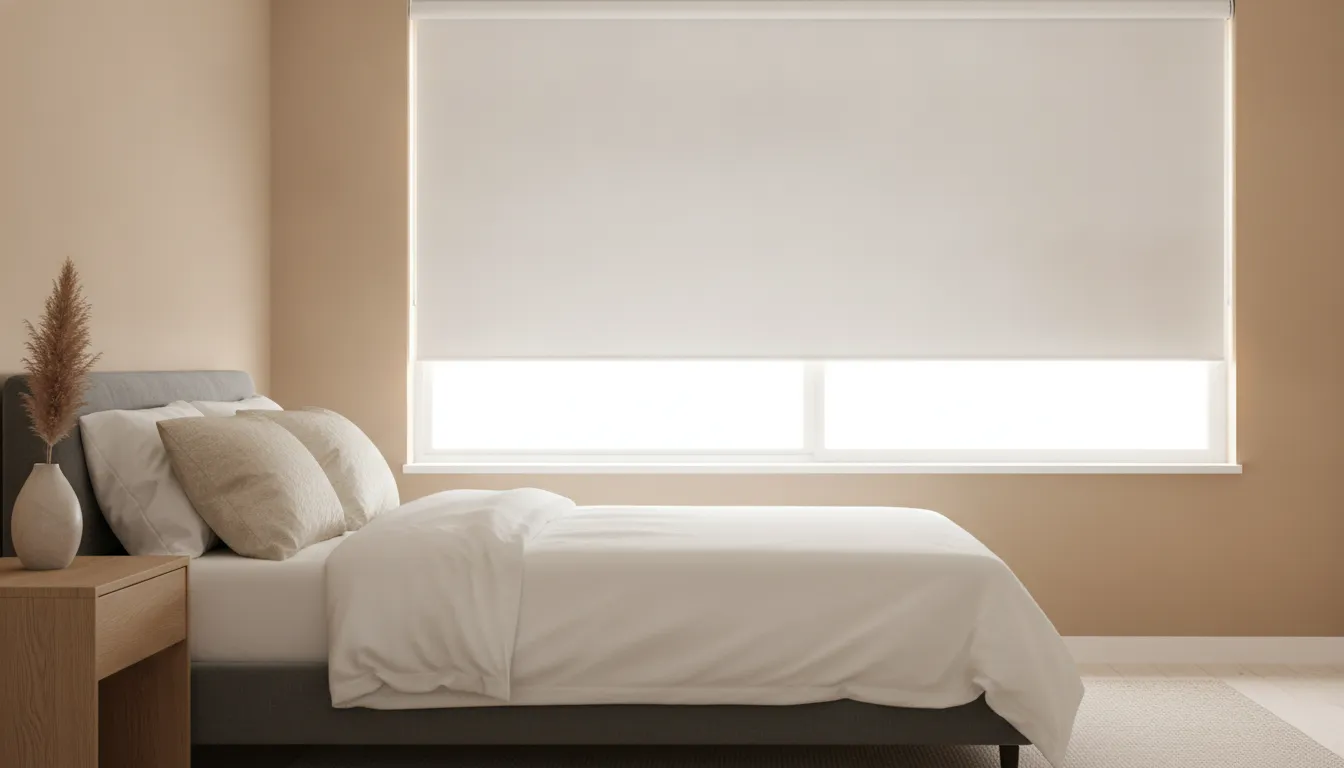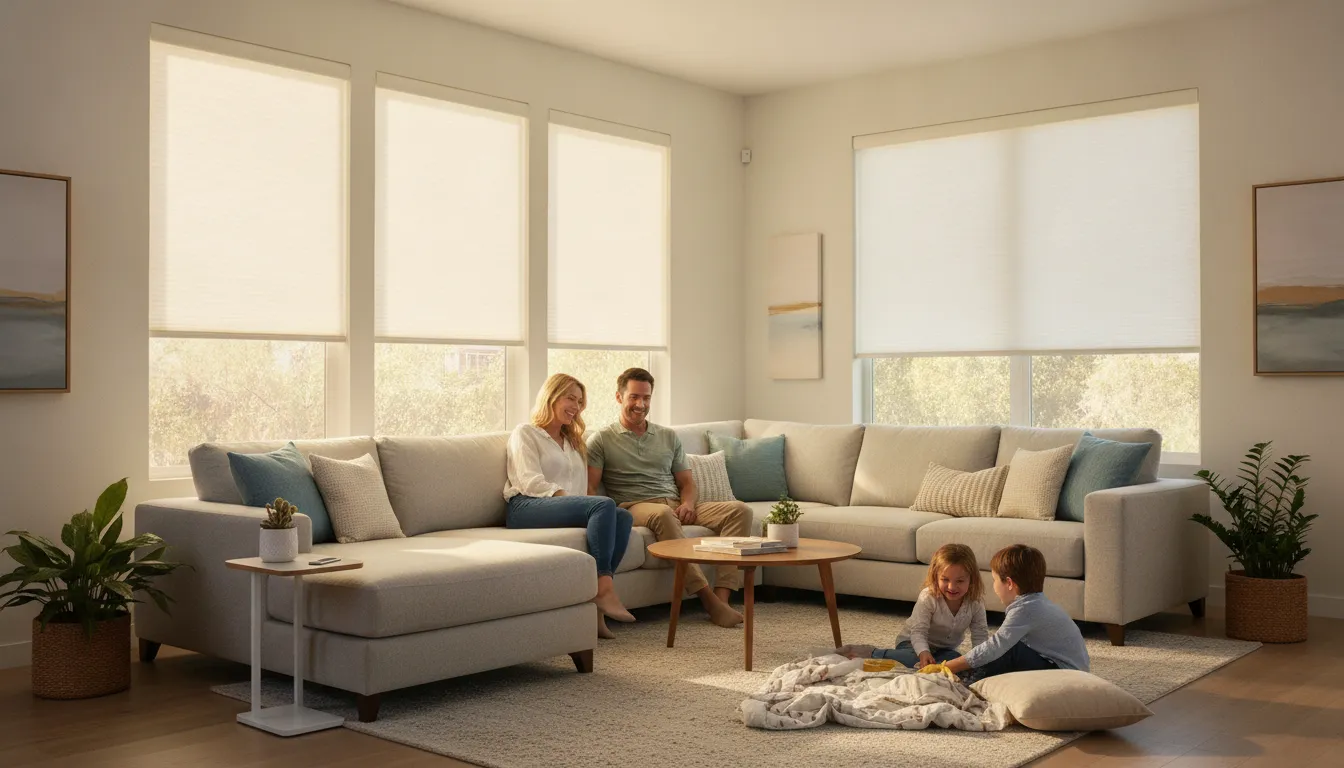
Afternoon sun can make a Menifee room uncomfortable, create screen glare, and leave privacy decisions to the last minute. Automatic shades give you a practical way to respond to changing light without walking from window to window. The best setup depends on each room, window direction, daily routine, and access to power.
For homeowners comparing automatic window shades in Menifee, the right choice balances light control, privacy, safety, convenience, and installation needs. Motorized options may use a remote, app, voice control, schedule, or sensor, while power can come from batteries, solar charging, or hardwiring. Options vary by product line, so an in-home review is the most reliable way to compare them.
Call Vineyard Blind & Shutter at (951) 757-4188 for a free in-home consultation.
Vineyard Blind & Shutter brings shade samples and motorization demonstrations to your home through its mobile showroom, allowing you to see finishes and controls in your actual lighting. That room-by-room perspective helps clarify why Southern California heat, glare, and window placement matter when selecting an automated treatment.
Why are automatic window shades in Menifee useful in a Southern California home?
Automatic shades use a motor and controls to raise, lower. Or adjust a window covering without pulling a cord by hand. "Motorized" describes the shade's powered movement. "Automatic" usually refers to the broader experience. Such as operation through a remote, app, voice command, schedule, or sensor. The terms overlap, but not every motorized shade system includes the same automation features. Options vary by product line and installation.
That distinction matters in Menifee, a Riverside County community where window orientation and room use can change how much afternoon glare or direct sun a room receives. In Southern California, shade recommendations should account for summer heat, the direction a window faces, and how the household uses the space throughout the day. Closing a treatment during intense sun can reduce solar exposure, while light-colored shades or shutters can reflect some heat and light. These steps support a more comfortable room, but results depend on the window, treatment, and home.
Useful control when sunlight changes
A scheduled shade can open in the morning and close at a chosen time, reducing the need to adjust every window manually. Some systems can coordinate several windows together, respond to sunrise or sunset, or make temperature-triggered adjustments. That can be useful when a Menifee home has bright west-facing windows. Rooms that are empty during part of the day, or furnishings that need protection from strong light. Smartphone and voice controls can also help when the shades are across the room or when both hands are occupied.
Privacy and access without operating cords
Automation is also practical for bedrooms, street-facing rooms, and windows that are high, wide, or positioned behind furniture. Motorized systems remove operating cords, which can support child and pet safety and make daily operation easier for people with limited reach. A homeowner can adjust a hard-to-reach window from a remote or app instead of using a ladder or leaving the shade untouched.
An in-home review helps connect these features to actual rooms. Vineyard Blind & Shutter's mobile showroom can bring shade samples and motorization demonstrations to a Menifee home. Where window direction, glare, privacy needs, and available controls can be considered together. Explore custom shade options before deciding which level of automation fits your routine.
What types of automatic shades can Menifee homeowners choose?
The best automatic shade depends on what each room needs from its windows. Consider the direction of the glass, the amount of daylight you want, privacy after dark, and whether the room needs help managing heat. Menifee homeowners can compare several shade styles, then choose the motor, power source, and controls separately. Product availability and features vary by product line.
Here is a practical starting point for comparing the main options. It is not a substitute for checking the actual window, because fit and fabric selection affect the result.
| Shade type | Light and privacy | Insulation and heat | Style and useful rooms |
|---|---|---|---|
| Roller | Ranges from light filtering to room darkening, depending on fabric. | Can support solar control when paired with an appropriate fabric. | Clean, simple look for living rooms, offices, and bedrooms. |
| Solar | Reduces glare while preserving some outward visibility. Privacy varies by openness and lighting. | Useful for managing bright sun and solar exposure, especially at exposed windows. | Well suited to living areas, media rooms, and home offices. |
| Blackout | Provides strong light blockage and greater privacy when closed. | Can help block heat and intense light. | Often considered for bedrooms, nurseries, and media rooms. See these motorized blackout shade options. |
| Cellular | Controls daylight, filters glare, and offers privacy, with fabric choices affecting openness. | Pleated cells trap air. The Department of Energy factsheet identifies well-fitted cellular shades as a potential option for reducing heat transfer. | A practical choice for bedrooms and living spaces where comfort matters. |
| Roman | Light control and privacy depend on the selected fabric and lining. | Fabric and lining can influence solar control, but performance varies. | Adds a softer, tailored appearance to dining rooms, bedrooms, and formal spaces. |
When comparing custom shade options, keep these selection questions in view:
- Does the room need glare reduction, strong darkness, or gentle daylight?
- Is nighttime privacy more important than a daytime view?
- Would cellular construction suit a window where temperature changes are noticeable?
- Should the shade blend into the room or become a decorative feature?
For a Menifee home with several exposures, mixing shade types may make more sense than using one style everywhere. A solar shade can address afternoon glare in a living room, while a lined Roman or blackout shade may better suit a bedroom. A room-by-room assessment in the actual lighting helps narrow the choice without assuming that every window has the same problem.
Which control method fits your daily routine?
The best control setup is the one that feels natural when you are moving through the day. A handheld remote works well when you want a simple, dependable way to raise or lower one shade, or several shades assigned to the same channel. It can be especially useful in a bedroom, media room, or space where you do not want to reach for your phone.
A smartphone app adds control from wherever you are in the house. Depending on the product line and installation, an app may let you operate individual shades, create groups, and check or adjust them without walking from window to window. Some systems can also connect with Alexa or Google Assistant. You can explore more about smart shade controls before deciding which platform fits your home.
What can schedules and scenes do?
Schedules handle routines you repeat. You might program bedroom shades to open in the morning, lower afternoon-facing shades during strong sun, or close living-room shades near sunset. A scene combines several instructions into one command, such as lowering a group of windows for movie time or closing selected shades when you leave. Group control is also helpful when multiple windows share the same exposure or when you want consistent privacy across an open room.
Some automated systems use sensors rather than a fixed clock. Depending on the system, sensors may respond to sunlight, temperature, or other conditions. The U.S. Department of Energy describes automated shading concepts that allow useful solar gain at some times and block it at others. User override remains available when the homeowner wants direct control. These ideas can support comfort and energy management, but results depend on the shade, room, window orientation, and installation.
Is there still a manual option?
Yes. Manual override matters when you want to change a shade immediately, when a schedule does not suit an unusual day. Or when you prefer not to use an app or voice command. Motorized systems also remove operating cords, which can help families seeking cord-free operation and make high or hard-to-reach windows easier to manage.
Capabilities are not identical across every automatic shade. Product line, power setup, wiring, hub requirements, and installation can affect which remotes, apps, voice assistants, sensors, and schedules are available. An in-home demonstration lets you test the controls in your actual rooms before choosing a system.
How do automatic shades improve privacy, glare control, and safety?
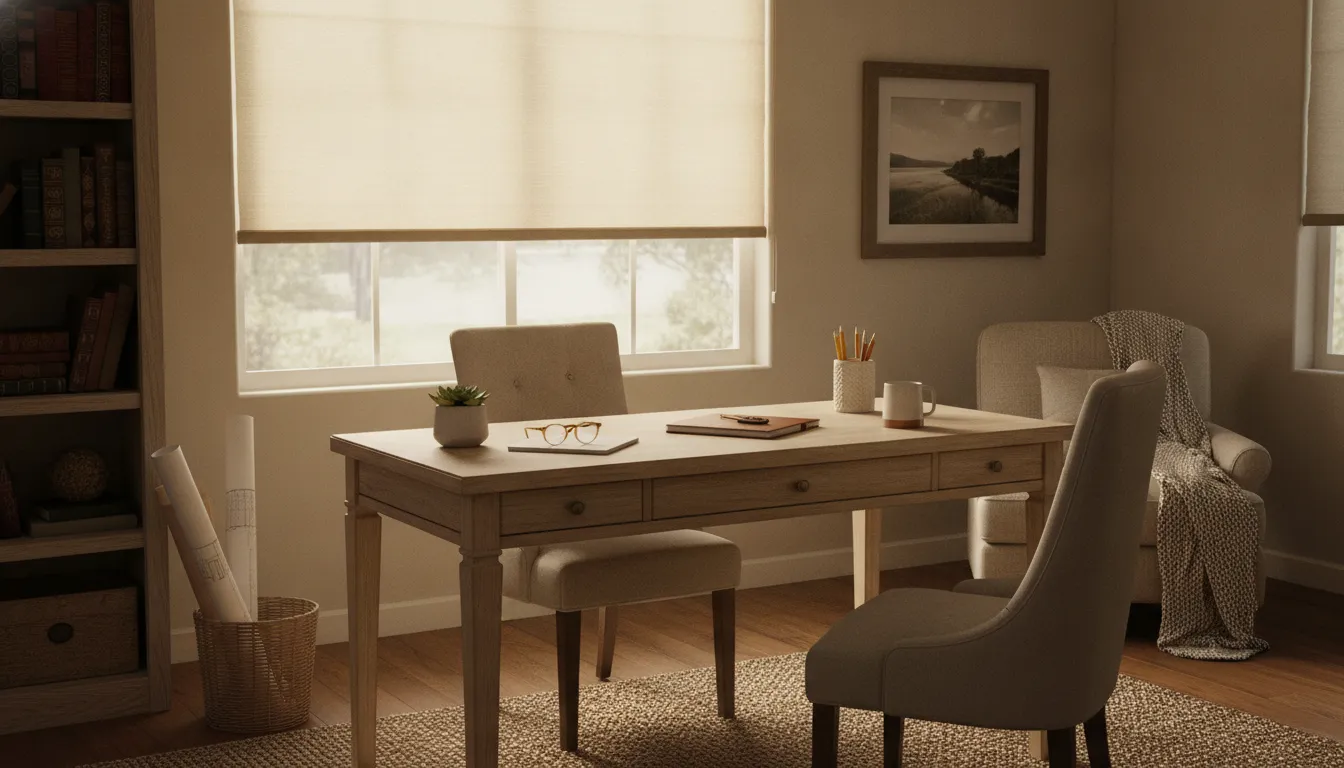
The best shade setting can change throughout the day. In a street-facing living room, a partially lowered shade can soften afternoon glare while preserving useful daylight. In a bedroom, a room-darkening or blackout fabric can provide more dependable privacy and light control when you are sleeping. Window orientation and the room's purpose should guide the choice rather than using one setting everywhere.
Automation adds timing and convenience. Shades can be scheduled to close when direct sun reaches a west-facing window, then opened later for daylight. At night, privacy often matters more than the view, especially in bedrooms and front rooms. In a media space, reducing reflected light can make a screen easier to see. Cellular shades can filter glare and provide privacy, while blackout shades are designed for stronger light and heat blockage. Results vary by fabric, fit, window, and installation. A schedule can also provide consistent coverage while the household is busy, without requiring someone to adjust every window individually.
Where safety and accessibility matter most
Motorized systems remove operating cords, which supports a safer setup for households with young children and pets. The U.S. Consumer Product Safety Commission recommends cordless window coverings as the safest option when young children are present. For a pet-friendly treatment, consider the window's location, furniture placement, and whether the fabric or bottom rail could be reached. You can also read about pet safe blinds and shades when comparing options.
Remote, voice, or automated control can make daily operation easier for older adults and people with accessibility needs. It is also useful for high, wide, or otherwise hard-to-reach windows where manually adjusting a shade is inconvenient. This can reduce stretching, climbing, or repeated trips across the room during the day. Product lines do not all offer the same controls, so confirm the available motor, power source, and override options before ordering.
For automatic window shades in Menifee, an in-home review helps connect each window to a practical goal. That may be glare control in the living room, privacy at night, darkness in the bedroom, or safer cordless operation throughout the home.
Battery, solar, or hardwired: Which power option is practical?
Automatic and motorized shades are related terms, but the power path behind them can differ by product line and installation. In Menifee homes, the practical choice depends on whether you are updating existing treatments, planning a larger renovation, or fitting shades to windows where access is limited. Vineyard Blind & Shutter identifies battery, solar, and hardwired configurations, along with retrofit options for existing treatments.
Battery power for a simpler retrofit
Battery-powered shades can be a useful option when you want motorized operation without opening walls or routing a new electrical connection. They may suit an existing room where the finished walls, trim, or flooring should remain undisturbed. The installer still needs to confirm that the selected motor and shade can support the window size, mounting position, and desired control method. Service access matters as well. Ask where the battery compartment is located and how it will be reached after the shade is installed.
Solar power where the window supports it
Solar-powered configurations can reduce the need for routine battery changes, but the window's exposure and mounting conditions must be assessed. A professional should check whether the solar component can receive suitable light. Whether the frame and surrounding trim leave enough room, and whether the product line offers the needed control features. Solar availability is not universal, so confirm compatibility before choosing a specific shade.
Hardwired power for planned wiring
Hardwired shades connect to the home's electrical system. They can make sense during construction or remodeling, when wiring routes and access panels can be planned before finishes are closed. For an existing home, the installer should review the wiring path, outlet or junction requirements, wall access, and how future service will be handled. Mounting depth and window size also affect which motorized shade systems will fit cleanly.
A professional in-home assessment brings these questions together. The consultation can include room-by-room measurements, verification of mounting requirements, and demonstrations in the home's actual lighting. Professional installation supports proper operation and may include app setup, operating instructions, and customer training. Because power, controls, and smart-home compatibility vary, the best selection is the one that fits the window. Wiring conditions, room use, and maintenance expectations rather than simply choosing the newest power option.
How should you choose automatic window shades in Menifee room by room?
The right shade depends on how each room is used, where its windows face, and how easily you can reach the controls. A room-by-room plan also helps coordinate appearance without forcing every window to use the same fabric, opacity, or power option.
- Start with the living room. Look at afternoon glare, television reflections, furniture placement, and the privacy you want after dark. Light-filtering or solar-style shades may suit a bright gathering space, while a room with strong west-facing sun may need more effective light control. Color and openness should be judged in the room's actual lighting, not only from a small showroom swatch.
- Choose bedroom shades around sleep and privacy. Blackout fabrics can help block strong light, while scheduled operation can open shades in the morning and close them at night. Confirm whether the window needs a full blackout effect or simply reduced brightness. Cord-free operation can also be useful for households with children or pets.
- Keep the kitchen practical. Select a material and mounting position that fit the window, counter, sink, and cooking area. Consider glare during meal preparation and privacy after sunset. The best choice may be a shade that is easy to raise, lower, or schedule without reaching across a workspace. Product availability and cleaning requirements vary by product line.
- Make the home office comfortable. Review screen glare, daylight direction, and the hours you work. A shade that filters daylight while preserving some natural light may be preferable to a fully dark room. Group control can adjust several windows together, but compatibility with an app or smart-home system depends on the selected product and installation.
- Plan for high or hard-to-reach windows. Motorized operation can control windows that are difficult to access and removes the need for operating cords. During selection, review window size, orientation, mounting surfaces, wiring, and the available battery, solar, or hardwired configuration. These details affect what can be installed and how it will operate.
- Use an in-home consultation to verify the plan. Vineyard Blind & Shutter's mobile showroom brings samples, design guidance, measuring tools, and motorization demonstrations to Menifee homes. The process includes a room assessment, samples in actual lighting, professional measurements, and a mounting review. After installation, the team can help with app setup, operating and maintenance instructions, and user training. You can schedule a free in-home consultation and review the Riverside County service area before getting started.
Call Vineyard Blind & Shutter at (951) 757-4188 to schedule a free in-home consultation or estimate.
Frequently Asked Questions
What are the disadvantages of automatic window shades?
They typically require more planning than manually operated shades. You need to choose a power source, confirm control compatibility, and allow for occasional battery charging or replacement when applicable. App, voice, scheduling, and sensor features also vary by product line. A manual override may be available, but it is worth confirming before ordering. The right system balances convenience with the controls and maintenance you actually want.
How much do automatic window shades typically cost?
There is no useful one-size-fits-all figure because the total depends on shade style, window size, quantity, power method, controls, mounting conditions, and installation requirements. Battery, solar, and hardwired configurations can involve different materials and labor. The most reliable approach is an in-home estimate that accounts for every window instead of comparing a basic shade price with a fully integrated system.
Which automatic shade is best for each room?
Start with the room's main problem. Solar or light-filtering shades can help manage daytime glare while preserving some natural light. Blackout shades are useful where stronger light control and privacy matter, such as bedrooms. Cellular shades may suit rooms where comfort and insulation are priorities. Kitchen moisture, window orientation, furniture placement, and accessibility should also influence the selection.
What should professional installation include?
A quality installation should confirm measurements, mounting conditions, power access, and control compatibility before the shades are fitted. The installer should test movement, pair applicable remotes or apps, and explain everyday operation and maintenance. An in-home consultation is especially helpful for high or hard-to-reach windows because the recommendation can be evaluated in your actual lighting, room layout, and daily routine.
Schedule Your Automatic Shade Consultation
The right automatic shades depend on each room's light, privacy needs, window access, and preferred controls. A free in-home consultation lets you review options in your Menifee home, where measurements and natural lighting can guide the decision. Vineyard Blind & Shutter can help with product selection, design, and installation for your project.