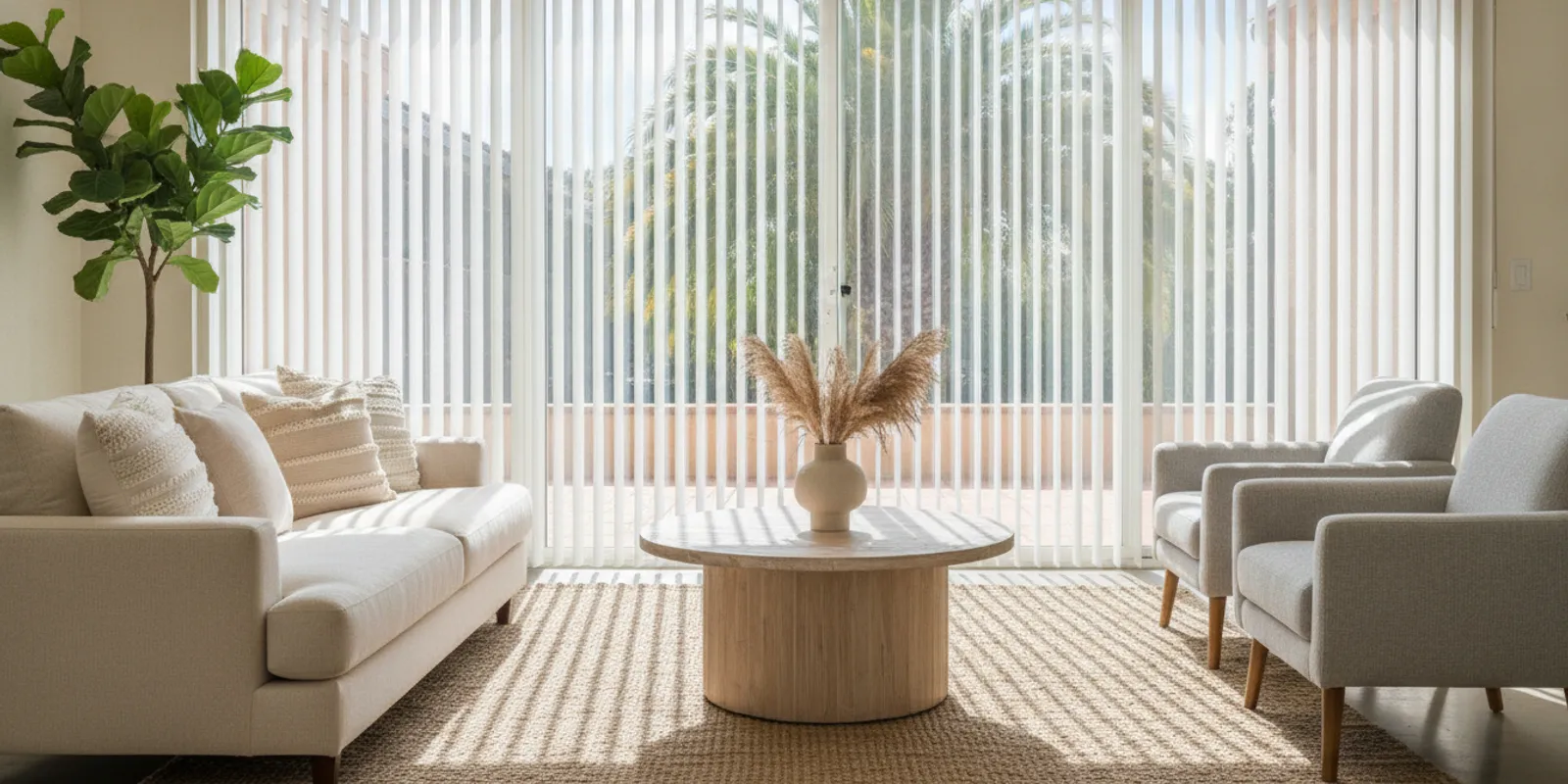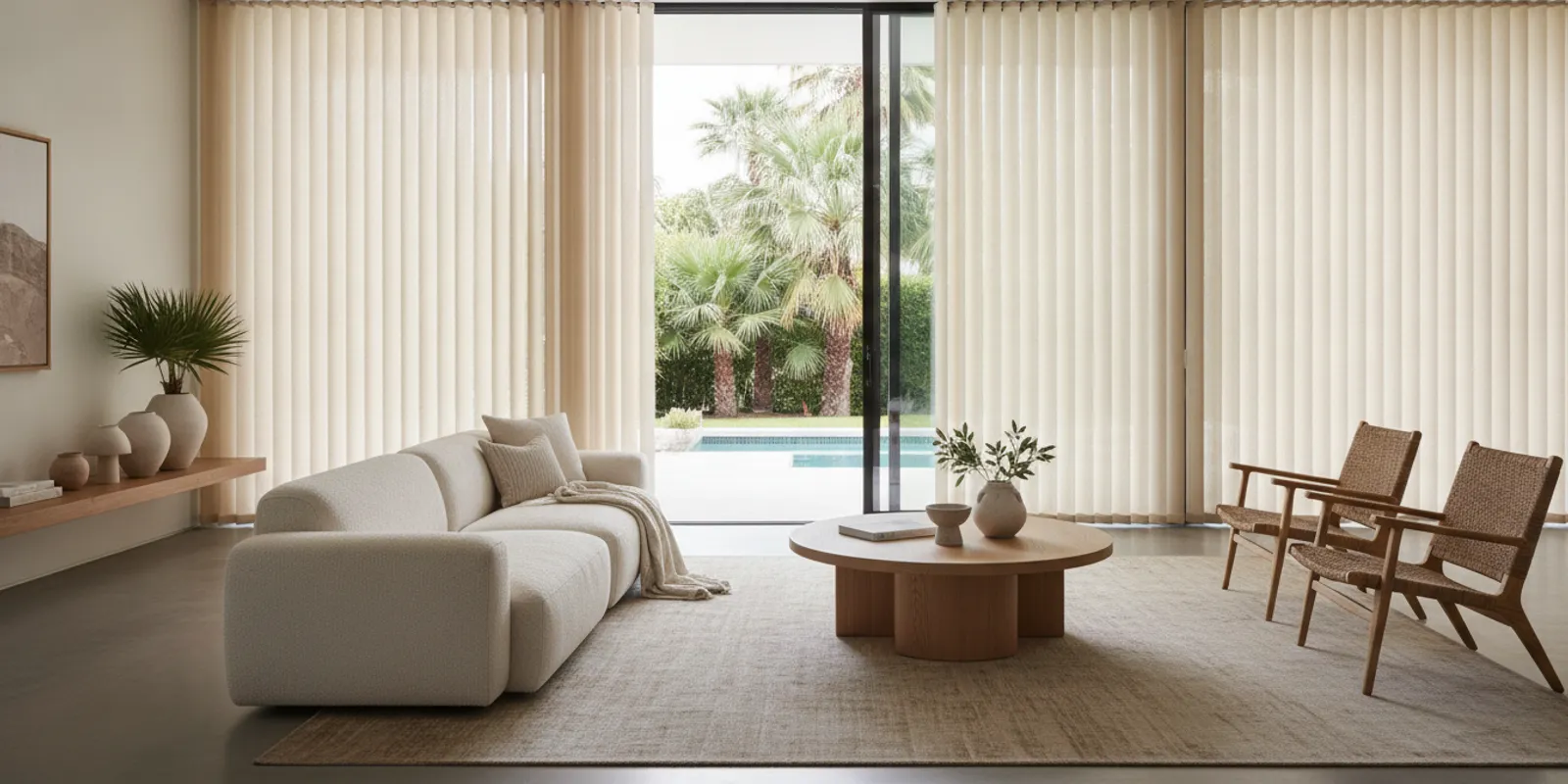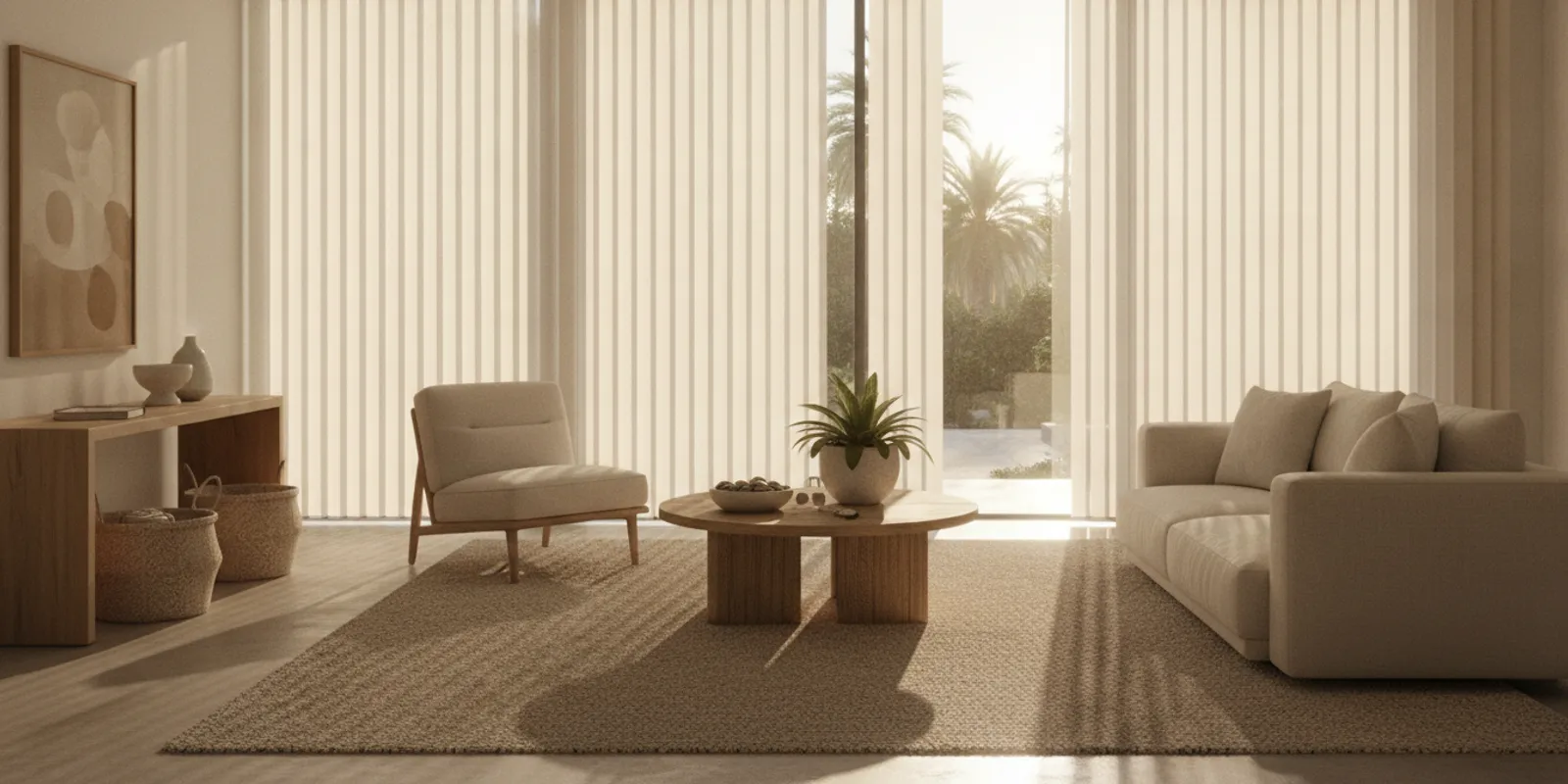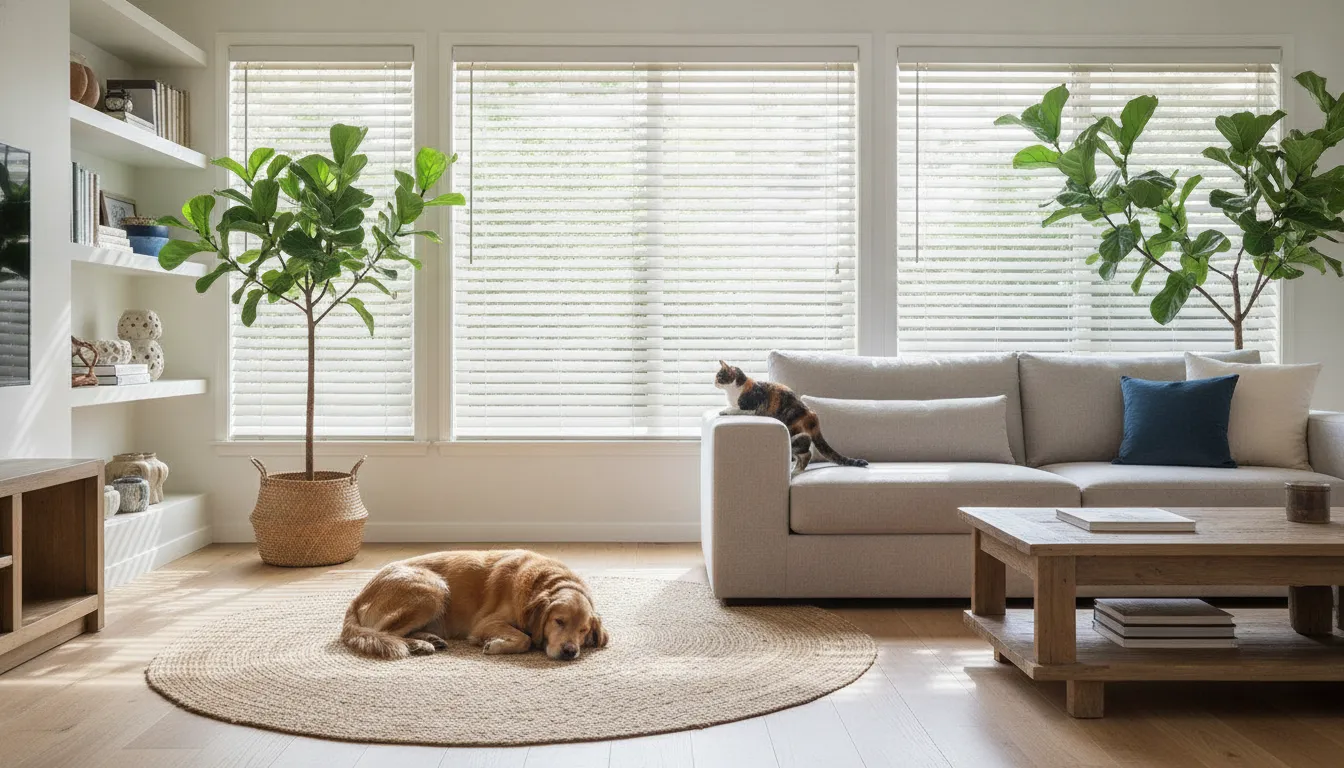
Pet friendly window blinds in San Diego County should fit the way your household actually moves through each room. Cats may climb or perch near a window, dogs may brush against doors and low windows, and both can turn a loose control or delicate fabric into a daily nuisance. The goal is not to promise a completely risk-free product. It is to plan window treatments that reduce avoidable entanglement, damage, and cleaning problems while preserving light control and privacy.
Call Vineyard Blind & Shutter at (951) 757-4188 to book a free in-home measure.
How should you plan pet friendly window blinds in San Diego County?
Start with the window, the animal, and the routine around it. A treatment for a high living-room window may need a different plan from one beside a dog door or a cat’s favorite sill. Observe the opening at different times of day before you choose a material or operating system. Note where your pet stands, jumps, sleeps, rubs, or watches activity outside.
Q: What is the best first step? A: Identify the window’s access points and the operating parts your pet could reach before comparing colors or styles.
- Access: Can a cat reach the sill, headrail, cords, or fabric from furniture?
- Traffic: Does a dog pass the window often, or is it beside a bed, food bowl, or door?
- Contact: Could claws, paws, noses, or collars catch on a control or snag a woven surface?
- Cleaning: Will dust, fur, drool, or nose prints collect where the treatment is installed?
- Light: Do you need glare control, daytime privacy, or a darker room for naps?
- Reach: Can an adult operate the treatment without leaving a control loop within easy reach?
This room-by-room review helps you avoid choosing a product only because it looks good in a sample. It also creates a useful brief for an installer. Share photos of furniture near the window, describe your pet’s habits, and mention any existing damage. A careful plan can address both the window and the surrounding space.
Why are cordless operating systems worth comparing?
Cordless operation removes some hanging control components from the window area. That can make the opening easier to manage in homes with children and pets, but cordless does not mean every risk has disappeared. A motor, wand, chain, or remote-control system still needs to be selected and installed for the specific window. Ask how the treatment moves, where the controls sit, and what happens when the shade is raised.
For a low window or a sill used by a cat, look at the full operating profile. Do not focus only on the word cordless. A wand can still become an object for a curious animal to bat around. A motorized treatment may reduce hands-on adjustment, but it introduces a power source, a motor housing, and a control routine. Keep remotes in a consistent location, and ask about battery access if the system uses batteries.
Inside-mounted treatments may keep the finished product within the frame, while an outside mount can place hardware farther from a narrow sill. Neither mounting style is automatically safer or better. The right choice depends on frame depth, trim, handles, furniture, and the path your pet takes around the room. During measuring, point out every nearby object that could affect access.
Homes with children and pets can also review the U.S. Consumer Product Safety Commission’s window-covering cord guidance. It explains why cordless products are worth considering and why furniture placement and control management still matter. Use that safety information alongside a room-specific plan for your animals and windows.
| Operating approach. | What it may help with. | What to review before choosing. |
|---|---|---|
| Cordless lift. | Reduces hanging cords near the window. | Reach, lift force, stack position, and how the bottom rail is handled. |
| Continuous-loop or chain control. | Provides consistent adult operation on some shade styles. | Control placement, tensioning, and whether the loop stays inaccessible. |
| Motorized control. | Allows adjustment without reaching across furniture. | Power, battery access, remote storage, and pet access to the window. |
| Wand control. | Keeps operation at one side of the treatment. | Wand length, position, clearance, and whether it can be reached. |
Ask the window-covering professional to explain the operating system in plain language. You should know how to open, close, stop, and maintain the treatment before it is installed. If a control feels awkward during the consultation, it may be awkward every day.
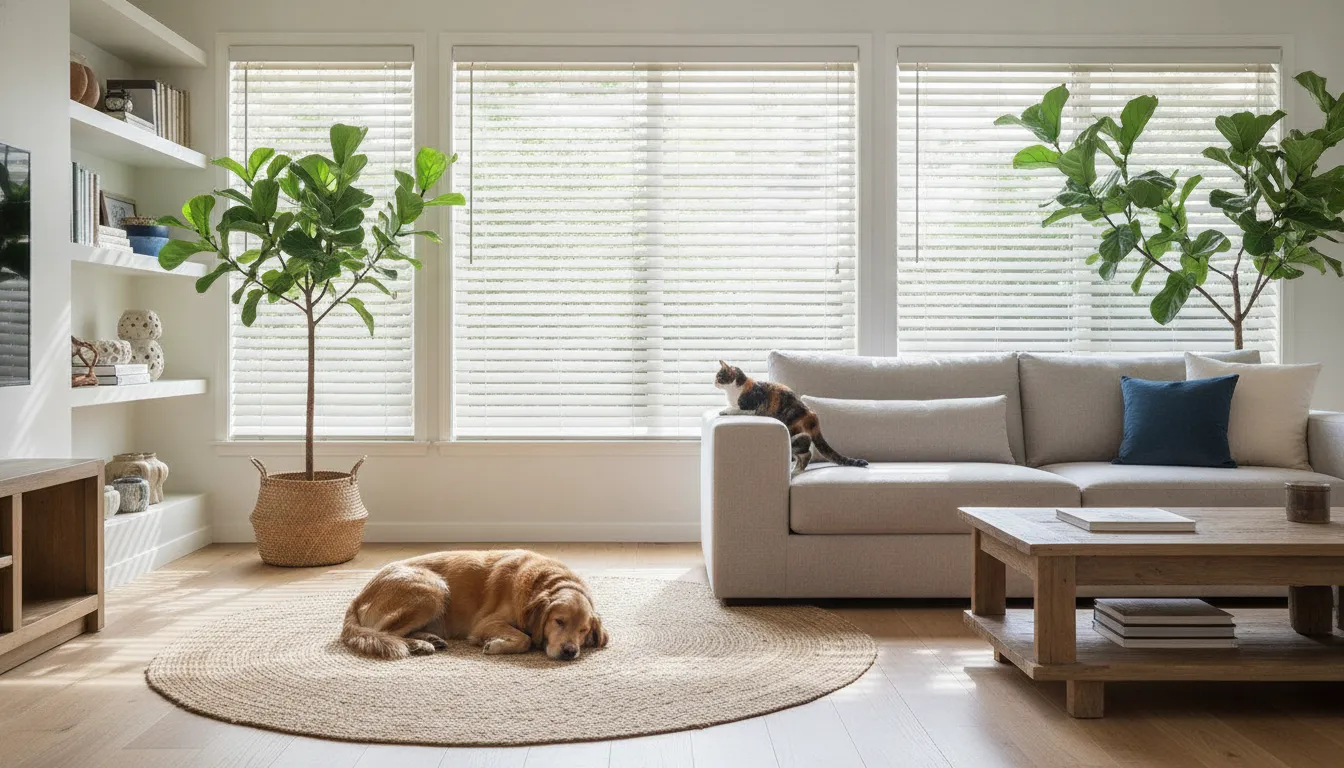
Which blind and shade materials can handle busy pet areas?
Material choice affects cleaning, scratching, moisture, and visible wear. Faux-wood blinds are often considered for active rooms because smooth surfaces can be dusted and wiped according to the manufacturer’s care directions. Their slats can also provide adjustable light control. Even a durable material can be damaged if a pet repeatedly jumps against it, so placement and clearance still matter.
Aluminum blinds may offer a slim profile and a surface that is straightforward to dust. Their slats can bend under force, especially around a low window or a frequently used door. Roller shades and other smooth shades can reduce the number of horizontal surfaces where fur settles, but fabric selection matters. Ask whether the specific fabric can be vacuumed, spot-cleaned, or replaced if needed.
Woven woods and textured fabrics can bring warmth to a room, yet their texture may catch claws or show marks more readily than a smooth material. Shutters have a fixed frame and solid louvers that can be easy to wipe, but the panel layout, tilt control, and hinge clearance should be reviewed around a pet’s normal path. No category should be treated as damage-proof.
Use the table below as a starting point, not a guarantee. Product construction varies by manufacturer, finish, fabric, and installation details.
| Material or style. | Potential practical benefit. | Pet-related questions. |
|---|---|---|
| Faux wood. | Smooth slats and familiar light control. | Can the finish be cleaned as directed, and will pets strike the slats? |
| Aluminum. | Compact profile and simple dusting. | Could repeated contact bend the slats or loosen the treatment? |
| Roller shade. | Streamlined surface and many opacity options. | Will the fabric tolerate the planned care routine and nearby activity? |
| Cellular shade. | Soft profile and flexible light-control choices. | Can paws or claws reach the fabric, and how will it be cleaned? |
| Shutter. | Solid frame and wipeable louver options. | Will panels, hinges, and tilt controls clear the pet’s route? |
How can you make cleaning easier?
Choose a care routine before you choose a finish. Fur and dust tend to collect on horizontal slats, while a smooth shade may show nose marks in a different way. A fabric that looks low-maintenance in a sample can still need careful spot treatment. Ask for the manufacturer’s instructions and confirm which tools are safe for the exact material.
- Map the mess: Look for fur, dirt, water, and nose prints around the window and nearby furniture.
- Match the surface: Compare smooth, textured, slatted, and fabric options based on the cleaning time you can maintain.
- Check access: Make sure you can reach the top rail, sill, and surrounding trim without moving heavy furniture.
- Test the routine: Ask how often the treatment should be dusted, wiped, vacuumed, or professionally serviced.
Do not use harsh cleaners simply because a surface looks durable. Strong chemicals, excess water, or aggressive scrubbing can affect finishes and fabrics. Keep grooming supplies and pet-safe cleaning products near the rooms where they are used, and deal with marks before they become a reason to handle the treatment roughly.
What should you change in rooms pets use most?
Living rooms often need a balance of visibility, privacy, and easy operation. A low sill may be a cat perch, so keep cords and loose controls away from the access path and consider whether furniture placement encourages jumping. A dog’s bed beside a window can create repeated contact with the bottom rail. Moving the bed a small distance may protect both the treatment and the dog’s resting space.
Bedrooms and nurseries may need darker conditions, but a room-darkening fabric is not automatically an insulation or heat-reduction solution. Treat glare and light control as separate questions from documented thermal performance. In a sunny San Diego County room, ask for specifications if heat management matters instead of assuming that a darker shade blocks heat.
Kitchens and dining areas need finishes that suit the room’s moisture, food, and cleaning demands. Keep treatments clear of stove heat, splashes, and areas where pets wait for food. In bathrooms or laundry spaces, confirm that the product and finish are intended for the moisture level. For sliding doors, review the path of the door, the pet’s traffic, and whether a vertical or panel treatment will be easier to operate without becoming an obstacle.
Home offices and media rooms may benefit from glare control and a consistent operating position. If a cat climbs onto a desk, account for that route when placing a control or selecting a treatment. A remote can be convenient, but it should have a storage spot that people remember and pets cannot easily knock behind furniture.
How can you reduce entanglement and damage risks during planning?
Use layered safeguards rather than relying on a product label. Remove or secure loose items around the window, keep furniture from creating an easy launch point toward fragile treatments, and check the finished installation after pets return to the room. Watch the first few days of normal use. An animal may discover a route that was not obvious during measuring.
Keep collars, leashes, toys, and bedding from catching on nearby hardware. If a dog rests against a low window, inspect the bottom rail and frame for repeated impact. If a cat climbs, check the top rail, cords, wand, and fabric edges. Contact the installer if a component loosens, rubs, or operates differently. Do not modify a control or remove a safety component without professional guidance.
Pet behavior also changes. A puppy may chew a sill today and ignore it later. A new cat may claim a window that was previously unused. Recheck the room after furniture changes, a move, or a new treatment. The safer choice is the one that still fits the household routine after the novelty wears off.
What should you ask during an in-home consultation?
Bring your observations to the appointment. A measuring visit can address the window opening, but the best discussion also includes the room around it. Show where your pet sleeps, how it reaches the sill, and which parts of the current treatment have been scratched, bent, or marked. Ask for options at more than one price point if the room has competing needs.
- Which cordless, motorized, wand, or other operating systems fit this window?
- Where will the controls sit when the treatment is open and closed?
- Which materials can be cleaned with the routine recommended for this room?
- How will the mount, frame, panels, or bottom rail affect furniture and pet traffic?
- What product specifications support any claim about light, privacy, or heat control?
- How should the treatment be inspected and maintained after installation?
Vineyard Blind & Shutter can compare blinds, shutters, and shades for homes throughout San Diego County. Review the company’s custom blinds options, shutters, and shades before your consultation so you can discuss the styles that match your rooms. You can also use the contact page to share your room details.