| Room priority | Cellular shade direction | What to compare |
|---|---|---|
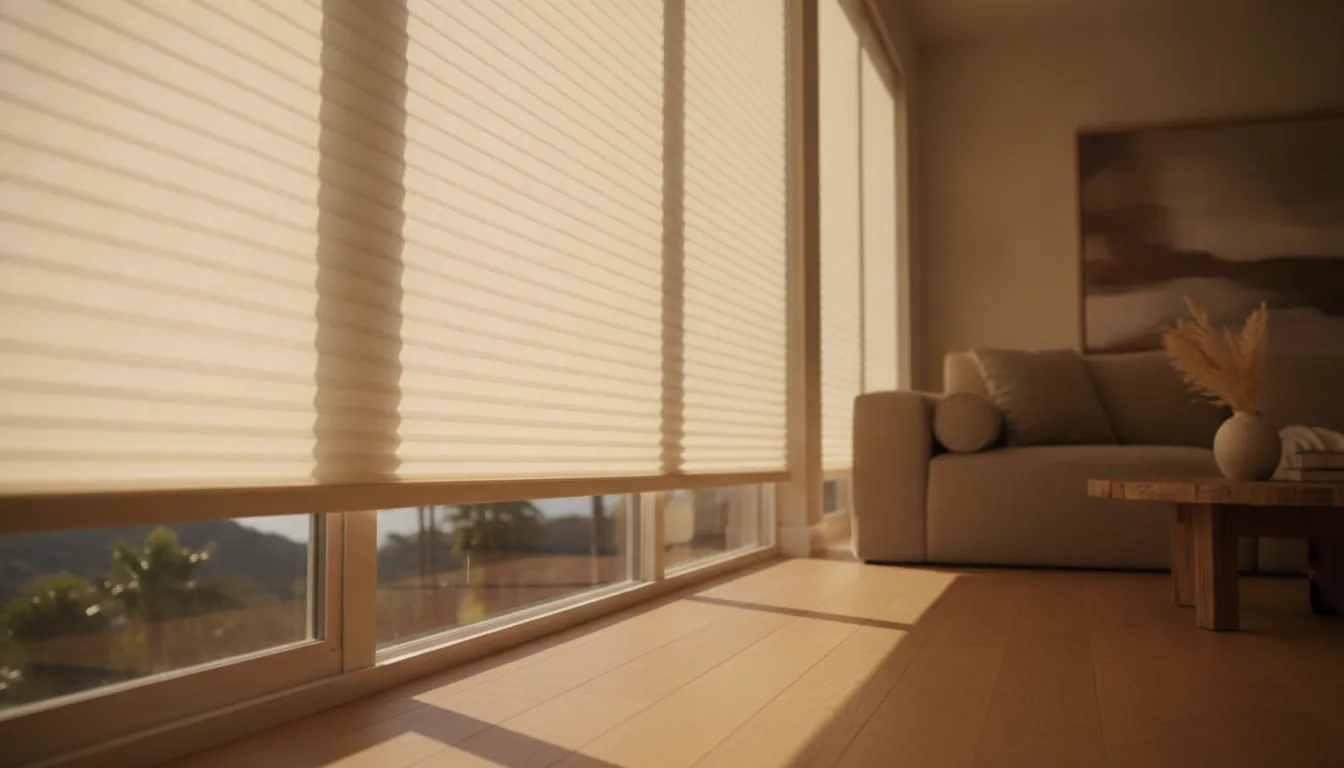
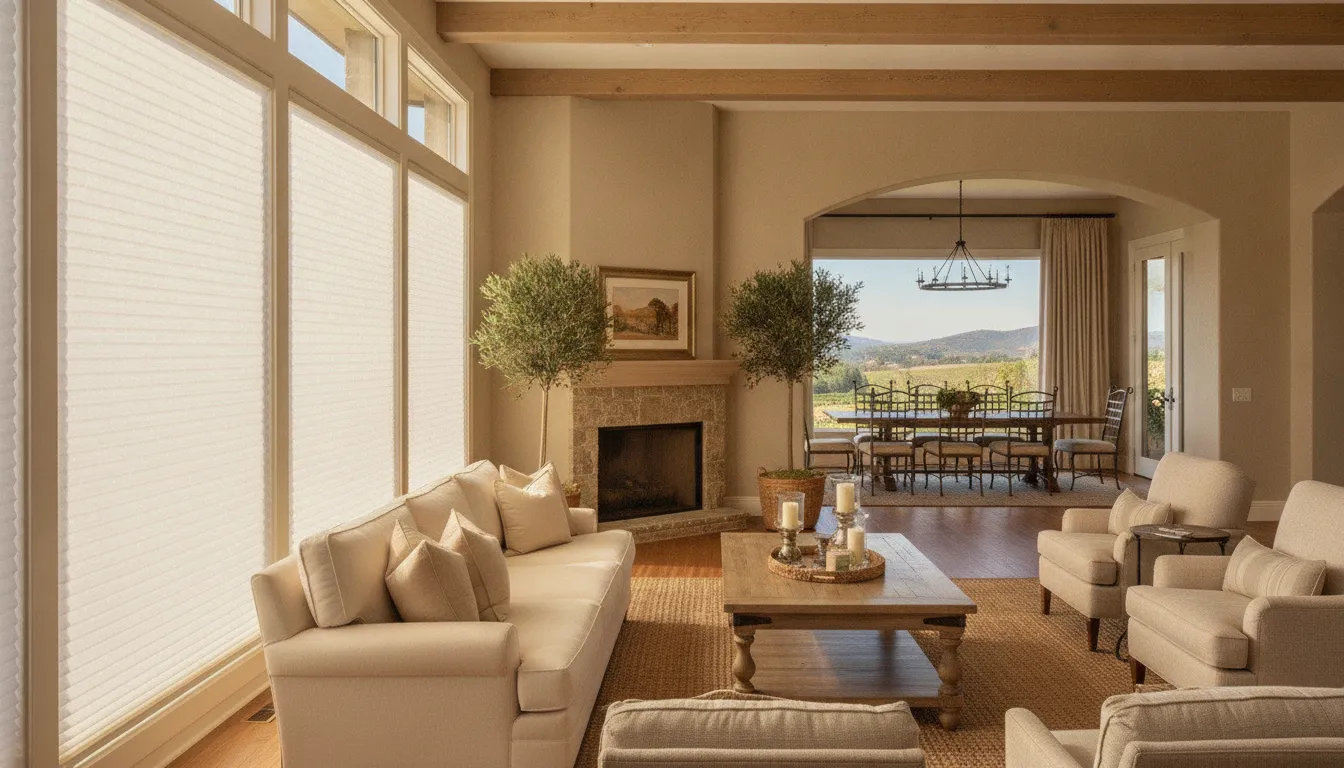
| Hot, sunny living room | Light-colored single- or dual-cell | Heat, glare, and daylight |
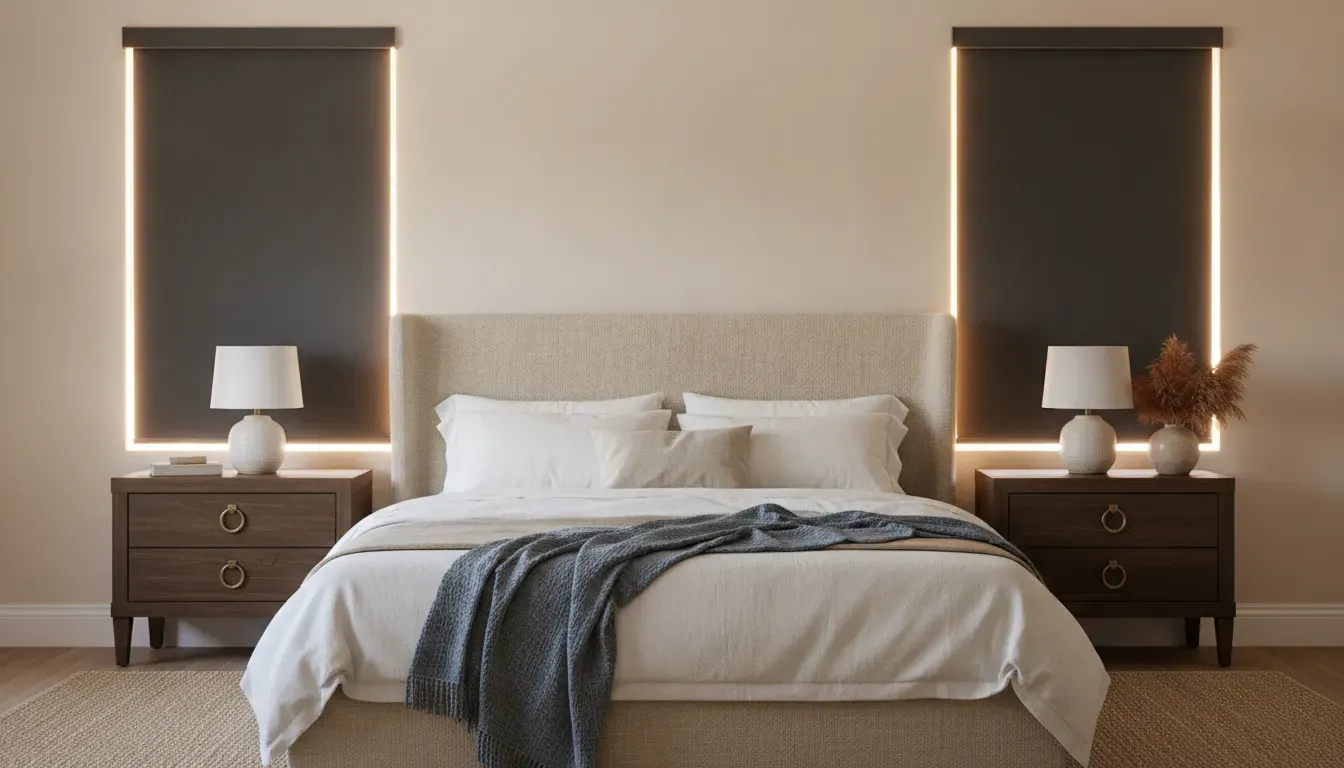
| Bedroom or nursery | Blackout and cordless | Darkness, privacy, and safe operation |
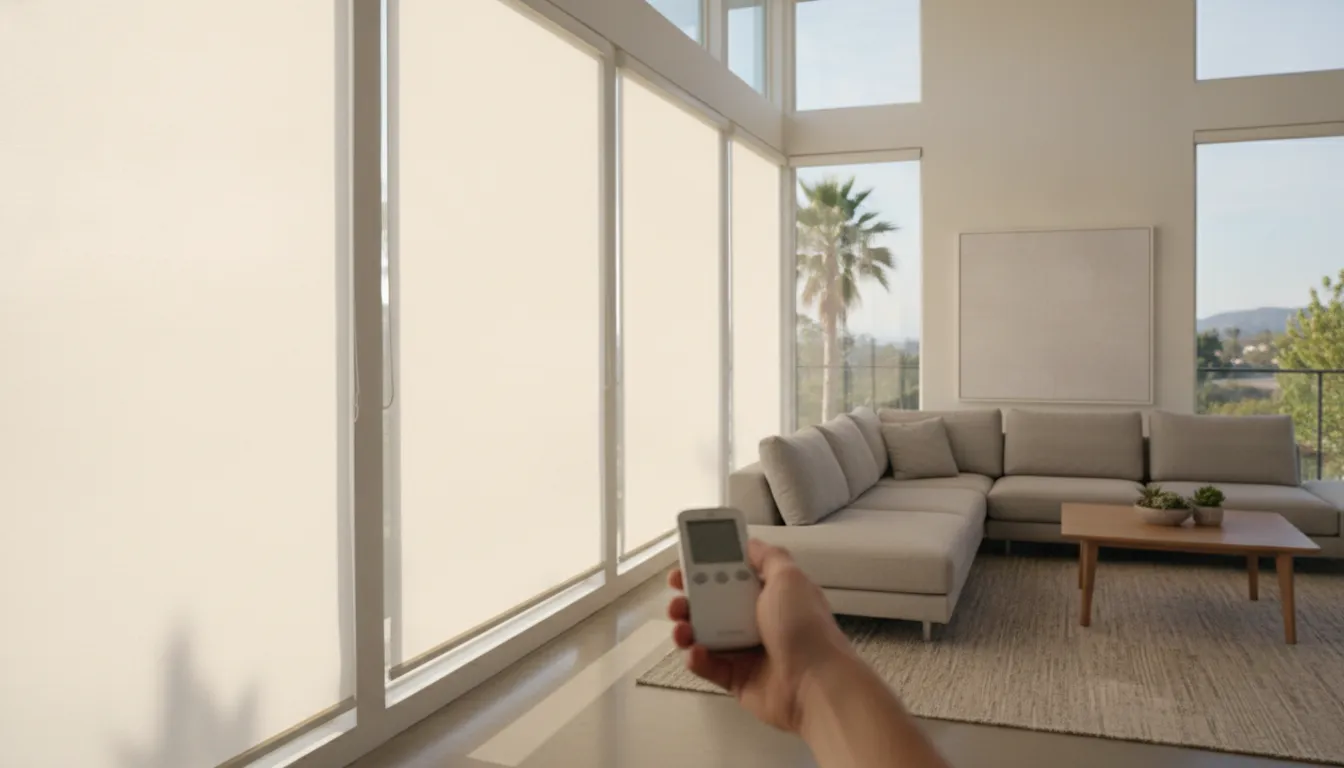
| Tall or hard-to-reach window | Motorized cellular shade | Access, controls, and scheduling |
- Hot, sunny living room: Compare light-colored single- or dual-cell shades for heat, glare, and daylight.
- Bedroom or nursery: Compare blackout and cordless options for darkness, privacy, and safe operation.
- Tall or hard-to-reach window: Compare motorized cellular shades for access, controls, and scheduling.
Temecula's bright, warm afternoons can make a comfortable room feel noticeably hotter, especially when sunlight reaches west- or south-facing windows. Cellular shades are worth comparing because their honeycomb construction can add an insulating layer while giving you choices in color, opacity, and operation.
Answer: For cellular shades in Temecula, choose the cell construction, fabric, and light-control level that match each room. Dual-cell designs can provide more insulation than simpler constructions, while light-colored fabrics may reflect more heat and light. A tight fit and cordless or motorized operation can also support comfort, safety, and easier daily use.
The right choice depends on more than appearance. Window direction, privacy, room purpose, children or pets, and whether you want filtered daylight or a darker space all matter. Seeing samples in your own lighting makes those differences easier to judge before ordering.
Call Vineyard Blind & Shutter at (951) 757-4188 for a free in-home consultation.
What Makes Cellular Shades in Temecula Useful for Heat and Comfort?
Temecula windows can face strong sun for much of the year, especially when glass is oriented toward the south or west. Cellular shades address that exposure through their honeycomb construction. Small internal cells create pockets of air between the room and the window. This insulating layer can help moderate heat gain during warmer months and reduce unwanted heat loss when temperatures drop.
The U.S. Department of Energy explains how cellular shades can improve window insulation and comfort in its cellular shades factsheet. The result in a particular room still depends on the window, fabric, installation, sun exposure, and how consistently the shade is used. A shade is not a promise of a specific indoor temperature or utility bill, but it can be a practical part of a broader comfort strategy.
How honeycomb construction affects heat and air movement
Single-cell shades use one layer of honeycomb pockets. Dual-cell shades add another layer, which provides more insulation than simpler cellular construction. That extra structure may be worth considering for a room with uncomfortable afternoon heat, a frequently used bedroom, or windows that feel noticeably cooler in winter. The right choice is not automatically the thickest option. Fabric, color, fit, and installation all influence how a shade performs.
Fit matters because gaps around the edges can allow more air and light to pass around the treatment. A cellular shade installed close to the window frame creates a tighter overall barrier. Vineyard's customer guidance notes that honeycomb shades can reduce air loss by up to 62 percent. That figure is a potential documented result, not a guarantee for every Temecula home. Existing glass, frame condition, room layout, and installation quality can all change the outcome.
Choosing a practical comfort setup
Light-colored cellular fabrics can reflect more heat and light, making them worth comparing for bright, sun-facing rooms. If the room also needs strong darkness, a blackout fabric may be more appropriate than a light-filtering fabric. Blackout and light filtering are not interchangeable: light filtering softens incoming daylight, while blackout is designed to block substantially more light and heat. Consider the room's purpose before choosing insulation alone.
For a closer look at custom shades and cellular shades, compare the window's direction, the hours of direct sun, privacy needs, and the comfort problem you are trying to solve. Seeing fabrics in the actual room can make those differences easier to judge than viewing a small sample under showroom lighting.
Which Cellular Shade Style Fits Each Temecula Room?
There is no single best cellular shade for every window. The right choice depends on how the room is used, how much sun it receives, the privacy you need, and whether insulation or light control matters most. In Temecula, a south- or west-facing room may need a different fabric and cell construction than a shaded bedroom or a bright kitchen.
Single-cell or dual-cell for comfort
Single-cell shades use one layer of honeycomb-shaped cells to create an insulating air pocket. They can be a practical choice when you want a streamlined profile, moderate insulation, and a broad selection of colors and fabrics. Dual-cell shades add another layer of cells, providing more insulation than simpler cellular constructions. That may make them worth considering for rooms that feel especially warm in the afternoon or chilly near the glass during winter.
Construction is only one part of the result. Fabric, color, window fit, installation, and the quality of the seal against the frame all affect how a shade performs. Light-colored fabrics may reflect more heat and light than darker options. But the best selection should be based on the room rather than a promise of identical results in every home.
Light-filtering shades for shared living spaces
Light-filtering cellular shades soften incoming daylight without making a room completely dark. They often suit living rooms, dining areas, and home offices where you want privacy and glare control while keeping some natural light. They can also work well on windows where you want the fabric and window trim to remain part of the room's design.
For a Temecula family room with a bright western exposure, look at the shade in the afternoon rather than judging a sample under showroom lighting. You may prefer a lighter color for a brighter, more open appearance, or a denser fabric when glare is the bigger concern. If preserving an outdoor view is a priority, compare solar shades versus cellular shades before deciding.
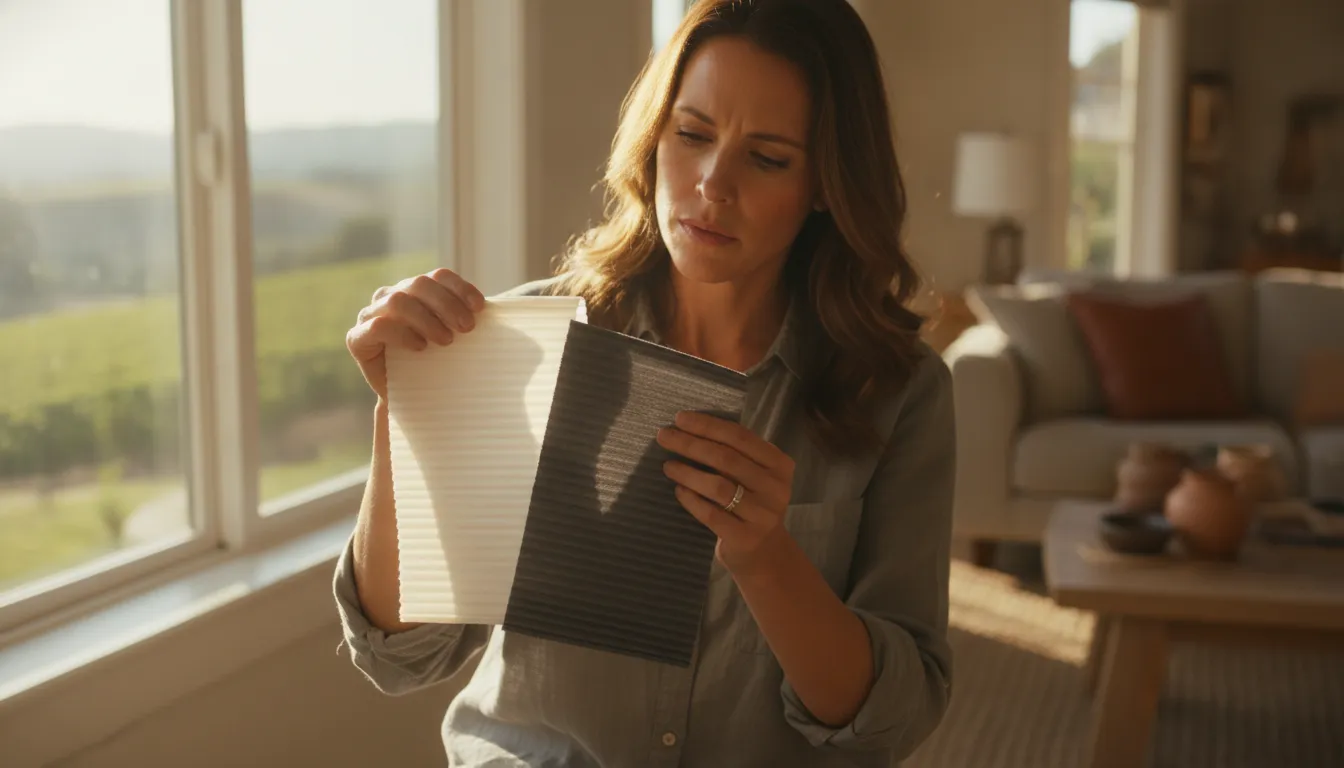
Blackout shades for bedrooms and media rooms
Blackout cellular shades are designed to block substantially more light than light-filtering fabrics. They can be a strong fit for bedrooms, nurseries, guest rooms, and media spaces where darkness supports sleep or reduces screen glare. Ask about the fabric and installation details, since the shade itself and the gaps around the window are separate considerations.
Cellular shades in Temecula can also be mixed throughout one home. A homeowner might choose dual-cell, light-filtering shades in a sunny living room, a blackout fabric in the primary bedroom, and a simpler single-cell option in a hallway. For a broader product comparison, see cellular shades versus roller shades. During an in-home consultation, comparing colors and opacity levels in each room's natural light makes it easier to choose a style that looks right after installation.
How Should You Handle Light, Privacy, and Views?
Light control is not an all-or-nothing decision. In Temecula, the right cellular shade depends on what the room needs to do, which direction the window faces, and how much connection you want to keep with the outdoors. A bedroom may need stronger privacy and darkness, while a living room may benefit from softened daylight and an open view.
Match opacity to the room
Light-filtering cellular fabrics soften incoming daylight without making a room feel completely closed off. They can work well in living rooms, kitchens, and home offices where you want comfortable brightness during the day. They may also provide daytime privacy, although the level of privacy can change with indoor and outdoor lighting. At night, a lit room can be more visible from outside, so consider whether the window faces a street, a neighboring home, or a private yard.
Blackout fabrics are intended to block substantially more light than light-filtering fabrics. They are worth considering for bedrooms, nurseries, and media rooms, especially when early morning sun or evening glare affects sleep or screen visibility. Blackout does not mean every edge of the window becomes perfectly dark. Gaps around the shade, the mounting style, and the fit can influence the final result.
Consider direction, glare, and outdoor views
South- and west-facing windows often deserve extra attention because stronger afternoon sun can create glare and make rooms feel warmer. Solar shades are another option when the priority is filtering sunlight, reducing glare and UV exposure, and preserving an outdoor view. Cellular shades may be the better fit when insulating value and privacy are more important. For a closer look at the tradeoffs, compare solar shades versus cellular shades.
Privacy also depends on fabric color, openness, and the height of the window. A translucent shade may preserve daylight but offer less privacy than a denser fabric. In a bathroom or street-facing bedroom, prioritize privacy first. In a backyard-facing living area, you may prefer a fabric that keeps the view while controlling glare.
Because construction, fabric, color, fit, and installation all affect performance, there is no single best choice for every set of custom shades and cellular shades. Seeing samples in the actual room at different times of day can make the difference between a shade that looks good in a sample and one that works well in daily life.
Are Cordless Cellular Shades Safer for Children and Pets?
For families, the operating system deserves as much attention as the fabric and color. Cordless cellular shades remove the dangling lift cord that a child or pet might reach, pull, or become tangled in. The Consumer Product Safety Commission says cordless window coverings are the safest choice when young children are present and the only option that eliminates the cord-strangulation hazard. Read the CPSC guidance at CPSC.gov/goCordless for household safety recommendations.
That guidance is safety information, not a claim that every cordless product is identical or that a particular shade is automatically compliant with every situation. Vineyard Blind & Shutter can explain the available operating options, then help you match them to your windows, household, and daily routine. Cordless lift systems are standard on many product lines. Motorized cellular shades can eliminate operating cords entirely, which may be especially helpful in nurseries, playrooms, and rooms where pets spend time.
When is motorization especially useful?
Motorization combines cordless operation with convenience. It can make tall or hard-to-reach windows easier to use, including two-story entryways, great rooms, and upper-floor bedrooms. It can also support accessibility when someone in the home has limited reach or hand strength. With scheduled or remote operation, shades can be adjusted without climbing furniture or stretching across a room. Those features may also make it easier to manage privacy, morning light, and heat throughout the day.
Pets have their own practical considerations. A cordless shade reduces a loose cord that could catch on a collar or invite chewing, but the complete window setup still matters. Keep furniture, beds, and pet access points positioned thoughtfully, and ask about the best control location for your room. For existing corded coverings, the CPSC recommends moving cribs, beds, furniture, and toys away from cords. Shortening dangling cords can reduce, but does not eliminate, the hazard, so replacement with a cordless option is the stronger long-term direction when appropriate.
- Choose cordless operation for rooms used by young children whenever possible.
- Consider motorization for tall windows, accessibility needs, or shades used several times a day.
- Keep cribs, beds, furniture, and toys away from accessible window-covering cords.
- Review control placement, battery access, and daily use before selecting a system.
- Ask to see cordless and motorized samples in your actual room lighting before deciding.
When comparing cellular shades in Temecula, safety is one part of the decision alongside privacy, light control, window height, and ease of use. A room-by-room recommendation helps you choose a practical operating system without turning safety into fear.
What Happens During a Temecula In-Home Shade Consultation?
Choosing cellular shades in Temecula is easier when you can evaluate the options where they will actually be used. Vineyard Blind & Shutter brings its mobile showroom to your home in Riverside County, so the conversation happens alongside your windows, furniture, flooring, and existing decor. You do not have to rely on a small swatch under unfamiliar showroom lighting.
The consultation is designed to be practical and informative. A professional looks at how each room functions and explains the differences between fabrics and operating systems. This helps you compare choices without treating every window as if it has the same needs. Here is what the process typically covers:
- Review each room and window. The consultation begins with a room-by-room assessment. The professional considers window size, direction, brightness, privacy needs, room use, and the way the space is furnished. A bedroom may need a different opacity from a living room, while a west-facing window may require a stronger plan for afternoon glare and heat. Children, pets, and hard-to-reach windows are also relevant when selecting an operating system.
- Compare samples in your actual light. The mobile showroom includes shade samples in multiple colors, materials, and opacity levels. You can see how light-filtering fabric softens daylight and how a blackout option changes the room, rather than guessing from a screen or catalog. Color can also look different in morning, midday, and evening light, so viewing samples in place makes the decision more useful.
- Discuss construction and performance goals. The professional can explain single-cell and dual-cell designs in plain language, along with how fabric, color, fit, and installation influence the result. Light-colored shades may be worth considering for rooms exposed to strong sun. The goal is not to promise identical insulation or heat control in every home, but to match the shade construction to your comfort and light-management priorities.
- Try the operating options. If you are considering motorized shades, the mobile showroom can include a motorization demonstration. You can discuss cordless operation, controls, accessibility, and placement for tall or hard-to-reach windows. Cordless or motorized choices may also be important for households with young children or pets. Seeing the operation firsthand helps you judge whether the convenience fits your daily routine.
- Measure, design, and review the estimate. Vineyard provides free professional measuring and design guidance as part of the process. Accurate measurements help determine the right fit for each opening and support a cleaner finished appearance. After discussing the selected materials and options, you receive an estimate. Vineyard documents free design services, measuring, estimates, and installation with transparent pricing and no hidden measuring or installation fees.
- Plan professional installation. Once you choose a direction, professional installation completes the process. The installer works from the measurements and selected specifications for each window, rather than treating the project as a one-size-fits-all purchase. To learn more about the service or request a visit, schedule a free in-home consultation. You can also review Temecula and the other documented Southern California service areas.
This approach gives Temecula homeowners a chance to make a decision based on real rooms and real priorities. Bring questions about privacy, glare, insulation, safety, and controls, and the consultation can focus on the windows that matter most.
Frequently Asked Questions
Are cellular shades a good choice for hot Temecula rooms?
They can be, especially when insulation and comfort are priorities. Honeycomb cells add an insulating layer at the window, while dual-cell construction can provide more insulation than simpler designs. Results vary with the shade's fabric, color, fit, and installation, so room orientation and window condition still matter.
Should I choose light-filtering or blackout cellular shades?
Choose based on how you use the room. Light-filtering fabric softens daylight while preserving a brighter feel, making it useful in living areas. Blackout fabric blocks substantially more light and is often better for bedrooms, nurseries, or media rooms. Comparing opacity samples in the room's natural light can make the choice easier.
Are cordless shades safer for children and pets?
Cordless and motorized systems reduce accessible cord hazards, and motorization can eliminate operating cords entirely. The U.S. Consumer Product Safety Commission identifies cordless coverings as the safest option when young children are present: CPSC guidance recommends going cordless. Pet owners should also consider durable, easy-to-clean materials and keep furniture away from window cords.
What should I expect from an in-home shade consultation?
A mobile showroom can bring samples, colors, motorization demonstrations, and measuring equipment to your Temecula home. The process can include a room-by-room assessment, demonstrations in actual lighting, design recommendations, and professional measuring. Seeing fabrics and opacity levels in each room helps account for sunlight, privacy, layout, and operating preferences before you choose.
Schedule Your Temecula Cellular Shade Consultation
Choosing cellular shades is easier when you can see fabric, opacity, and cell styles in the rooms where they will be used. A personal in-home consultation can help you compare options for comfort, privacy, light control, and cordless operation without pressure. To talk through your windows and preferences, call Vineyard Blind & Shutter at (951) 757-4188 to schedule your free, no-obligation consultation.